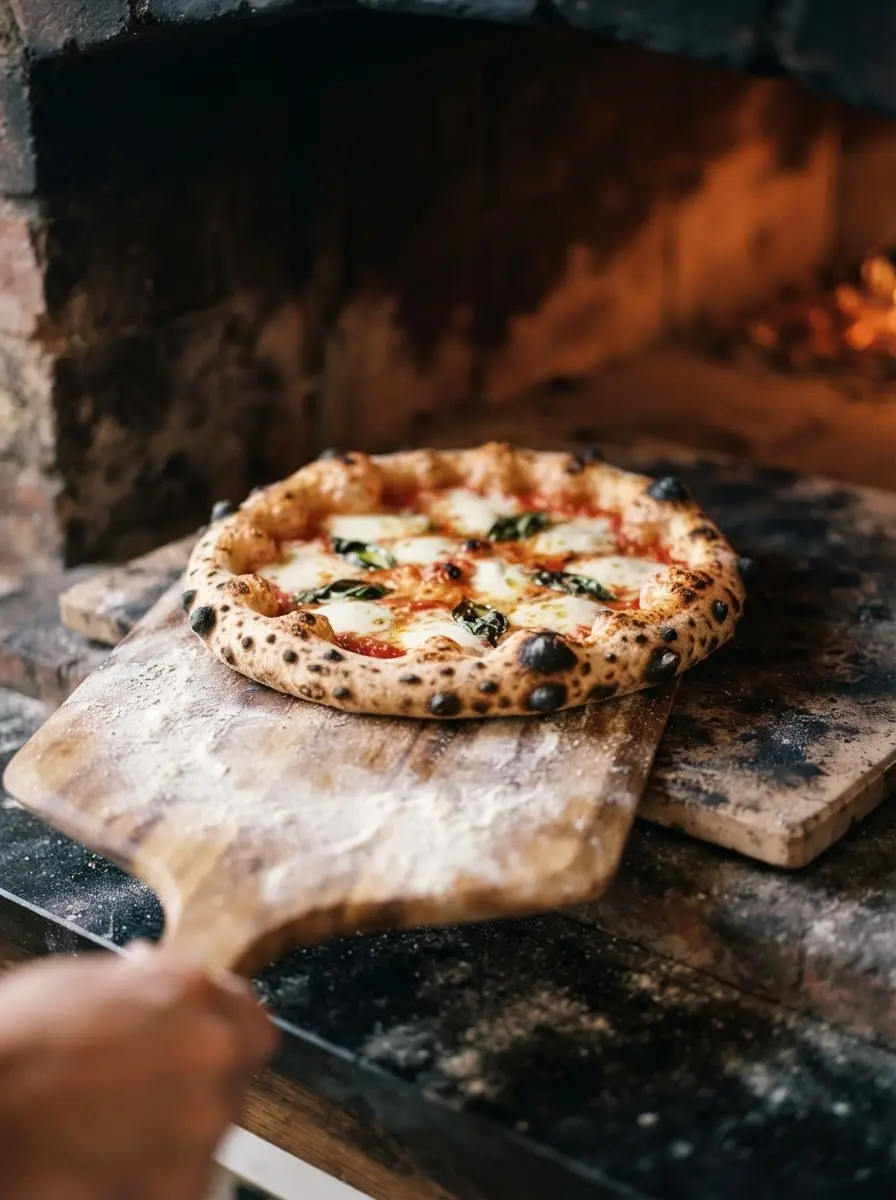
A pizza stone is a specialized baking tool designed to mimic professional brick ovens by providing high thermal mass for a crispy, evenly browned crust.
By the Niche Picks editorsUpdated November 8, 20268 min readDrawn from our 35 research-based pizza making reviews
AI-generated editorial illustration; not a product or test photograph.
Short answer
A pizza stone is a porous slab, typically made of cordierite, used to absorb moisture from dough and provide stable conductive heat in your oven. By creating a hot hearth-like surface, it helps achieve a crisp bottom crust that traditional metal baking sheets cannot replicate in a standard home oven environment.
6
Product listings discussed; not hands-on tests
6/6
Discussed listings with a recorded price
$18.94–$69.97
Recorded listing price range; not a complete setup cost
Key takeaways
Pizza stones are designed to absorb surface moisture from dough to produce a crisp bottom crust.
Cordierite is the preferred material due to its high thermal shock resistance and durability.
Stone thickness is the primary factor determining how well a stone holds heat between multiple bakes.
A perforated pizza peel is recommended to minimize excess flour from burning on the stone surface.
Always preheat your stone thoroughly to ensure it reaches the necessary temperature for an effective bake.
Products discussed in this article
Editorial scores and recorded prices are reference points, not measurements of suitability for every use. Read each review's specifications and limitations.
Large Pizza Peel 16 inch - Extra Large Metal Pizza$29.95
16-Inch Pizza Stone Set for Oven and Grill with Peel$69.97
Comparison of Top-Rated Pizza Stones and Sets
Product
Size
Material
Best For
Hans Grill Stone
15 x 12 In
Cordierite
Budget Domestic
Old Stone Round
16 In
Cordierite
Large Round Pies
Culinary Couture
15 x 12 In
Cordierite
Entry-Level Bread
KitchenStar 16"
16 In
Cordierite
Scratch Beginners
Unicook 15x12
15 x 12 In
Cordierite
Single-Pie Bakes
Unicook 20x16
20 x 16 In
Cordierite
High Thermal Recovery
What is the primary function of a pizza stone?
A pizza stone serves as a baking hearth that bridges the gap between domestic kitchen equipment and professional pizza ovens. The fundamental challenge in home pizza making is that conventional oven floors do not retain enough heat to crisp the dough before the toppings overcook. A stone, particularly one made of cordierite, acts as a heat reservoir that conducts intense, steady heat directly into the base of your pizza.
Because these stones are microporous, they serve a dual purpose: they provide conductive heat while simultaneously wicking away surface moisture from the raw dough. This process is essential for achieving the light, airy, and crisp texture characteristic of hearth-baked pizzas. Without a stone, dough often sits on a standard baking sheet, which can lead to a soggy or undercooked bottom crust because the metal surface does not provide the same thermal mass or moisture-absorbing properties.
When you place a cold pizza onto a preheated stone, you rely on the stone's thickness—as seen in models like the Old Stone Round Pizza Stone—to prevent a massive temperature drop. A thicker stone maintains its heat better, allowing for a faster crust set. If you are baking multiple pies back-to-back, thermal recovery becomes the limiting factor. You can find more details on achieving professional results in our guide to pizza making.
Improved crust texture through moisture absorption
Steady conductive heat transfer for even browning
Mimics professional hearth-oven conditions at home
The thickness of your baking stone is the most critical metric for performance, especially when you plan to bake more than one pizza in a single session. Physics dictates that heat retention is proportional to mass; a thicker cordierite slab provides a larger buffer of stored energy. When you slide a room-temperature pizza onto a stone, the contact area immediately begins to draw heat out of the ceramic. If the stone is thin, the surface temperature will plummet, and the stone will struggle to recover before the pizza finishes baking.
Bakers aiming for a high-volume pizza night should consider the importance of thermal recovery. A thinner 0.4-inch or 0.5-inch stone, like the Large Pizza Stone for Oven and Grill, may suffice for a single pie, but you will notice significantly longer recovery times between subsequent bakes. To avoid pale, soft bottom crusts on your second or third pizza, you must allow the stone to sit in the oven for at least 10 to 15 minutes between launches to regain its original heat saturation.
For those who prioritize efficiency, choosing a thicker, heavier stone is a wise investment. While heavier stones might take slightly longer to preheat, they provide a more forgiving environment for the dough. This is an important consideration if you are just starting your journey into pizza making. Remember to verify that your oven rack can support the weight of the stone before purchasing, as heavy duty options can significantly increase the load on your oven components.
Thicker stones hold more heat for consecutive bakes
Thin stones require longer recovery intervals between pizzas
Always preheat until the stone is fully saturated with heat
Use semolina flour instead of standard all-purpose flour for dusting your peel. Semolina acts like tiny ball bearings, allowing the pizza to slide off the paddle with much less friction.
Why does my pizza stone get dark and smoky?
It is entirely normal for a cordierite stone to darken over time as it absorbs fats, oils, and sugars from your pizzas. This natural patina does not affect the stone's thermal performance. However, if you notice significant smoke, the culprit is likely scorched dusting flour rather than the stone itself. When using a solid wooden peel, such as the Pizza Peel 12 inch, you are inevitably transferring excess flour or semolina onto the stone surface.
Once that excess flour hits the hot stone, it burns instantly, creating a bitter, acrid smoke. This is a common point of frustration for home bakers. To mitigate this, many pros opt for perforated peels, which allow the excess flour to sift through the slots before you launch the pizza into the oven. Using a solid peel requires you to be extremely diligent about shaking off any loose flour before the pizza makes contact with the deck.
If you find your stone is heavily fouled, follow the manufacturer's cleaning guidelines strictly. Generally, you should never use soap, as the porous material will absorb it and transfer a chemical flavor to your future pizzas. A dry scrub or a light scrape is usually sufficient. Avoiding these common mistakes to avoid will help keep your baking environment cleaner and improve the flavor of your crusts over time.
Darkening is natural and does not impair functionality
You can generally use a pizza stone in any standard domestic oven, outdoor barbecue grill, or even some portable pizza ovens, provided the stone's dimensions fit comfortably within the interior. However, you must ensure there is adequate airflow around the perimeter of the stone. If the stone is too large and pushes right up against the oven walls, you will restrict the convection currents that are essential for browning the top of your pizza.
Most rectangular stones, like the Hans Grill Rectangular Pizza Stone, are designed with domestic racks in mind. To get the best results, place your stone on the middle or upper-middle rack if you want a faster cook, or on a lower rack if you find the bottom of your crust is not browning fast enough. It is also vital to understand that stone baking is just one method; you can learn more about different oven setups by exploring our best home pizza ovens overview.
If you are using an outdoor grill, ensure the stone can handle the direct heat source. Cordierite is preferred for its high thermal shock resistance, meaning it can withstand the rapid temperature fluctuations that occur in both indoor and outdoor environments. Always double-check the temperature rating of your specific product; most high-quality stones are rated well above 1000°F, which is far beyond what standard home ovens can output, ensuring safety during operation.
Check dimensions to maintain airflow
Place the stone in the middle for balanced heat
Verify thermal rating before high-heat outdoor use
Never submerge a hot pizza stone in cold water. Rapid temperature changes can cause the stone to crack or shatter instantly.
Choosing the right launching tools
The pizza stone is only one part of the equation; the launching peel is equally important for your success. A peel is the flat paddle used to transfer your assembled pizza onto the hot stone. While you might be tempted to use a standard baking sheet, these are rarely thin enough to slide easily under stretched dough. Tools like the Large Pizza Peel 16 inch offer a much better experience, providing a low-profile edge that makes the transfer significantly smoother.
There is a major debate regarding material: wood vs. metal. Wood, such as bamboo or basswood, naturally absorbs a tiny amount of moisture from the bottom of the dough, which helps prevent the pizza from sticking. This makes it an excellent choice for beginners. Metal peels, while sometimes harder to master for beginners, are thinner and much better for retrieving the pizza once it is baked. You can read a deep dive into these options in our review of the best pizza peel.
Longevity for a pizza stone depends entirely on how you treat it. The biggest enemy of any ceramic stone is sudden thermal shock. Never place a cold stone into a preheated oven, and never place a hot stone directly onto a cold countertop or into cold water. Always allow the stone to heat up gradually with the oven and cool down slowly inside the oven after you have finished baking.
When it comes to cleaning, think of the stone as a low-maintenance tool. Avoid detergents at all costs, as they will leave a residue in the pores. If food does stick, wait for the stone to cool completely, then use a stiff brush or a metal scraper to remove the debris. Discoloration is a sign of a well-used stone; it is a badge of honor rather than a defect. For more detailed tips on keeping your gear in top shape, check out our blog on pizza making.
If you find that your stone has developed a permanent layer of char, don't worry. This is just part of the seasoning process. However, if you find yourself struggling with consistent results, it might be time to review your budget and see if a thicker or more specialized stone would fit your needs better in the long run.
Never use soap or harsh detergents
Allow the stone to reach room temperature before cleaning
1Place your cold pizza stone on the middle rack of your oven.
2Turn your oven to its highest setting and preheat for at least 60 minutes.
3Prepare your pizza on a floured peel, ensuring it slides freely before attempting to launch.
4Open the oven door and firmly but gently slide the pizza onto the center of the preheated stone.
5Bake for the required time, monitoring for a crisp, blistered crust.
6Retrieve the pizza using a thin metal peel and allow the stone to recover heat if baking again.
Quick checklist
Verify the stone dimensions fit your oven's interior, leaving at least 1-2 inches for airflow.
Preheat the stone for at least 45-60 minutes at the highest possible oven temperature.
Dust your launching peel with semolina to prevent sticking.
Check the thickness of your stone—thicker is better for back-to-back bakes.
Clean only with a scraper or stiff brush after the stone has cooled completely.
Ensure your oven rack is sturdy enough to hold the stone's weight.
Frequently asked questions
Does a pizza stone really make a difference?
Yes, it makes a significant difference. Unlike a standard metal pan, a pizza stone absorbs moisture from the dough and provides a consistent, high-heat surface that helps the crust puff and crisp properly. This mimics the environment of a professional brick oven, leading to better texture and flavor.
Can I leave my pizza stone in the oven all the time?
Yes, you can leave it in the oven permanently. In fact, keeping it in the oven can help stabilize the ambient temperature inside your oven, providing more even heat distribution for other types of baking, such as roasting or making bread.
Do I need to grease or oil my pizza stone?
No, you should never grease or oil a pizza stone. The stone is porous and designed to absorb moisture; oils will soak into the stone, become rancid over time, and potentially smoke when you reheat the oven. Simply dust the peel with flour to prevent sticking.
Is cordierite better than standard ceramic?
Yes, cordierite is generally considered superior for baking because it has much higher resistance to thermal shock. While cheap ceramic stones may crack under the extreme temperature fluctuations of a hot oven or an outdoor grill, cordierite is engineered to withstand those stresses without failing.
How long should I preheat my pizza stone?
You should preheat your stone for at least 45 to 60 minutes at the highest temperature your oven can reach. The stone needs time to become fully saturated with heat; simply warming the oven air is not enough to get the stone hot enough to crisp the crust.
Amazon links are affiliate links; we may earn a commission at no cost to you.
Shortlists in this category
Ranked lists from our pizza making reviews, limited to listings whose titles confirm the product type, with budget cuts where enough recorded prices sit on both sides of the line.
This page summarizes our research reviews of Amazon listings, listed specifications and captured buyer ratings. It is not a hands-on test. Scores are editorial assessments, not measured performance; prices are recorded snapshots and may change. A category can include both main products and accessories, so its overall price range is not the cost of a complete setup.
Most recent product record update: October 28, 2026. Individual records may be older; this is not a verification date for every claim. Prices on this page were read from the listings Nov 8, 2026 – Nov 11, 2026.
Choose the product type first. These groups require a match in the listing title; an import search term alone is not enough. Scores rank our recorded research assessments within each group, not independently measured performance.
Values are shown as recorded, without unit conversions or inferred compatibility. Not recorded means unknown, not absent. Prices are snapshots, not current offers. Editorial scores are research judgments, not lab results. Amazon links are affiliate links.
Before treating a comparison as complete
Which details are still unknown?
A specification appearing in a listing is not independent verification. These counts show which shortlisted records contain the same field; a blank record does not mean the product lacks the feature.
Included Components
Recorded for 2 of 2 shortlisted models
Present in every shortlisted record. Check units, exact variants and the current manufacturer documentation before relying on it.
Item Weight
Recorded for 2 of 2 shortlisted models
Present in every shortlisted record. Check units, exact variants and the current manufacturer documentation before relying on it.
Size
Recorded for 2 of 2 shortlisted models
Present in every shortlisted record. Check units, exact variants and the current manufacturer documentation before relying on it.
Values are shown as recorded, without unit conversions or inferred compatibility. Not recorded means unknown, not absent. Prices are snapshots, not current offers. Editorial scores are research judgments, not lab results. Amazon links are affiliate links.
Neapolitan needs 850°F+; most ovens quote peak, not recovery.
Perforated peels drop far less flour into the oven floor.
Stone thickness controls recovery between pies.
If a specification, certification or compatibility detail is absent, mark it as unknown and ask the seller or manufacturer. Do not substitute a star rating, an editorial score or a different model's specification.