Transform your home oven into a high-heat pizzeria with our researched selection of the most reliable baking steels for superior crust development.
By the Niche Picks editorsUpdated November 8, 202610 min readDrawn from our 35 research-based pizza making reviews
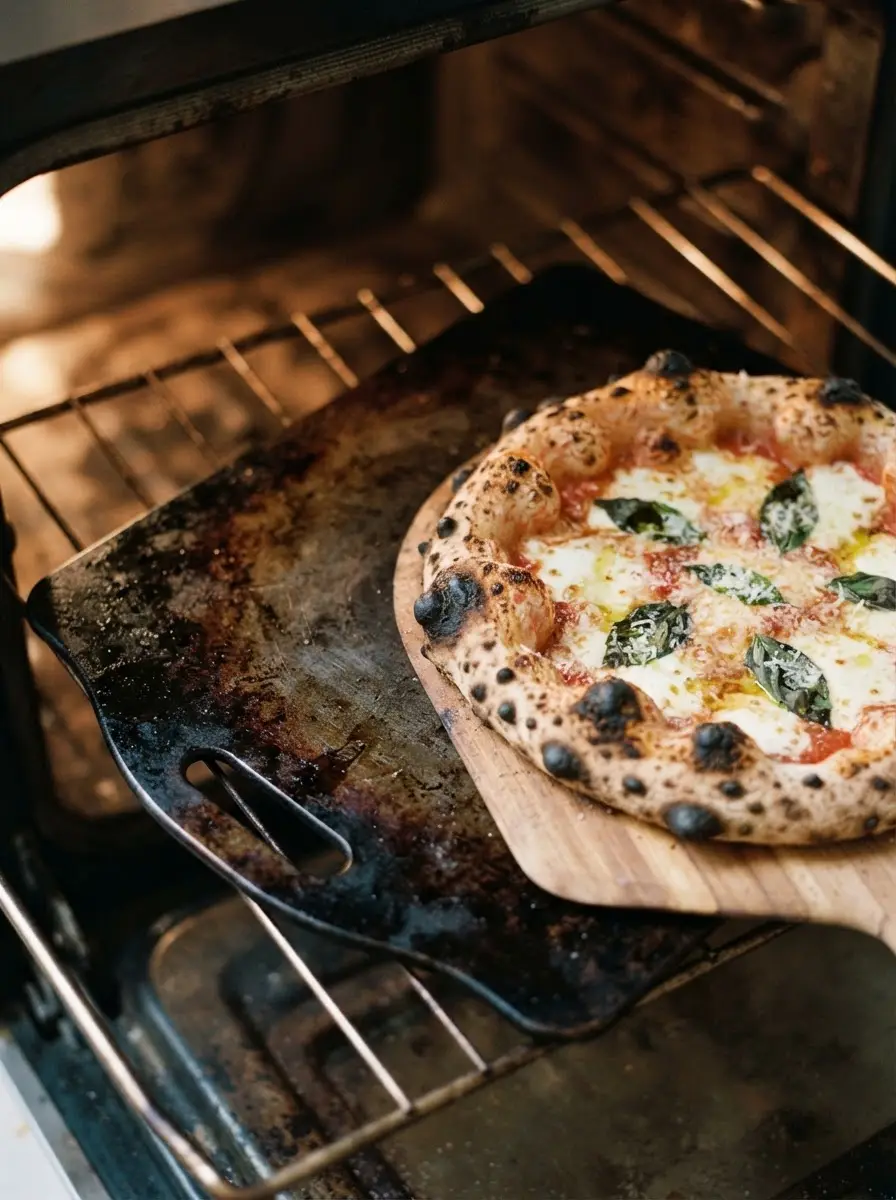
AI-generated editorial illustration; not a product or test photograph.
Short answer
The best pizza steels for home ovens are the Artisan Steel 16" x 14.25" and Hans Grill Pizza Steel PRO. These conductive plates outperform traditional stones by offering faster heat transfer, which is essential for achieving a crisp, professional-style crust in standard residential ovens that lack the extreme temperatures of dedicated pizza kilns.
3
Product listings discussed; not hands-on tests
3/3
Discussed listings with a recorded price
$62.99–$99.99
Recorded listing price range; not a complete setup cost
Key takeaways
Baking steels offer superior thermal conductivity compared to ceramic stones, resulting in faster and more efficient crust browning.
A 1/4-inch thickness is considered the ideal balance between thermal mass for heat recovery and manageable weight for oven racks.
Unlike stones, steel plates are immune to thermal shock and will not crack under extreme temperature fluctuations.
Proper seasoning of your baking steel is essential to prevent surface oxidation and build a non-stick patina over time.
For authentic Neapolitan results, pair your steel with a high-heat environment, though remember that most home ranges are capped below the 850°F threshold.
Products discussed in this article
Editorial scores and recorded prices are reference points, not measurements of suitability for every use. Read each review's specifications and limitations.
High Performance Pizza Steel Made in the USA - 16" x8.5
Pizza Steel PRO by Hans Grill | XL 1/4" Thick Square8.2
Chef Pomodoro 16 Inch Pizza Steel for Oven, Seasoned8.3
Recorded price (USD)
High Performance Pizza Steel Made in the USA - 16" x$89.99
Pizza Steel PRO by Hans Grill | XL 1/4" Thick Square$99.99
Chef Pomodoro 16 Inch Pizza Steel for Oven, Seasoned$62.99
Pizza Steel Comparison
Product
Dimensions
Thickness
Weight
Artisan Steel
16" x 14.25"
0.25"
16 lbs
Hans Grill PRO
13" x 13"
0.25"
13.1 lbs
Chef Pomodoro
16" x 13.25"
0.24"
14.6 lbs
Why Choose a Pizza Steel Over a Stone?
Baking steels have become the standard upgrade for home pizza makers looking to replicate the results of professional deck ovens. While ceramic pizza stones are popular for their porous nature, they suffer from two primary weaknesses: susceptibility to thermal shock and relatively low thermal conductivity. A pizza steel, by contrast, is essentially a giant heat sink. Because metal conducts heat significantly faster than stone or composite clay, it forces energy into the dough at an accelerated rate the moment it hits the surface.
This rapid heat transfer is the secret behind that elusive professional-grade crust. When you slide your pizza onto a preheated steel, the bottom of the dough begins to set and brown almost immediately. This prevents the 'soggy center' phenomenon often seen in home baking. Furthermore, steels are practically indestructible compared to stones. You can place them in a screaming-hot oven, expose them to cold liquids, or even use them on a grill without fear of the material fracturing. For more insights on how to elevate your home setup, consult our pizza making guide.
However, it is important to understand the limitations of your equipment. A steel is only as good as the heat your oven can supply. While steels are more efficient at storing and releasing energy, they do not create heat out of thin air. You must ensure your oven is preheated for at least an hour at its maximum setting. For those curious about the broader spectrum of tools available, our comprehensive pizza making reviews cover the full range of accessories needed for success. Remember that while steel provides the conductive base, the ambient environment of your oven still plays a critical role in how your toppings finish compared to a dedicated outdoor unit, which you can explore further in our article on the best home pizza ovens.
When researching the Artisan Steel or the Hans Grill Pizza Steel PRO, you will notice they share a consistent 1/4-inch thickness. This dimension is the 'sweet spot' for most home bakers. Thicker steel, such as 3/8-inch or 1/2-inch, offers more thermal mass, which is excellent for recovery between multiple pizzas. However, it also significantly increases the total weight of the slab, which can put stress on standard oven rack rails and make the steel difficult to move for cleaning or storage.
If you are primarily baking a single pie or two pizzas back-to-back, a 1/4-inch steel provides more than enough thermal reserves to maintain a high deck temperature. As the dough absorbs the heat from the steel, the surface temperature of the plate drops. A thicker steel 'recovers' faster, meaning it returns to its optimal baking temperature sooner. If you find that your second or third pizza is significantly paler on the bottom than your first, it is likely because your steel hasn't regained its thermal charge. In these cases, you should allow for an additional 10 to 15 minutes of recovery time between launches.
For those seeking to avoid common pitfalls, it is vital to remember that stone thickness controls recovery, and the same principles apply to steel. You can learn more about these nuances in our mistakes to avoid section. The Chef Pomodoro steel provides similar performance at 0.24 inches, keeping it light enough for easier maneuvering while still providing a massive upgrade over a standard baking sheet. Regardless of the brand you choose, always verify that your oven rack is sturdy enough to support the weight of these heavy metal plates before you finalize your purchase decision, especially if you are also using heavy ceramic stones or cast iron pans on the same rack.
Before buying, measure your oven rack and ensure at least 1-2 inches of clearance on all sides to allow proper airflow and heat circulation.
Maintenance and Seasoning Requirements
Unlike ceramic stones, which should generally be kept away from oils and soap, a baking steel is a living piece of metal that requires regular seasoning. When you receive your Chef Pomodoro 16 Inch Pizza Steel, it may come pre-seasoned, but you will eventually need to build up and maintain a carbonized layer of oil. This patina serves two purposes: it creates a non-stick surface that helps the dough slide off the peel, and it protects the raw steel from moisture and humidity that cause rust.
To season your steel, apply a very thin layer of high-smoke-point oil (like grapeseed or canola) across the entire surface. Wipe it off until the steel looks almost dry—you want a microscopic layer, not a greasy mess. Bake the steel in your oven at 400°F to 450°F for an hour, then let it cool completely inside the oven. You may need to repeat this process several times to achieve a dark, smooth finish. If you ever notice spots of surface rust, don't panic. You can simply scrub them away with a scouring pad, re-season the area, and get back to baking. If you have any questions about equipment longevity, check out our pizza making FAQ for common maintenance tips.
Avoid leaving your steel in a damp environment or cleaning it with harsh detergents that strip away your hard-earned seasoning. If you are struggling to manage the logistics of moving your steel, or if you are interested in how other accessories fit into your workflow, our buying tips are a great resource. While steel is more durable than stone, it does not have the ability to self-clean like a high-heat kiln, so consistent upkeep is the price you pay for a lifetime of crisp crusts. Proper maintenance will ensure that your investment remains a centerpiece of your kitchen for years, providing consistent, reliable heat for every bake.
The quality of your steel is only as effective as your launching technique. If you are using a solid wooden peel or a basic metal paddle, you might be accidentally dragging excess bench flour into your oven. Because baking steels are generally used at lower temperatures than outdoor wood-fired ovens, that flour doesn't always combust instantly. Instead, it creates an acrid, charred layer on the bottom of your crust that tastes like bitter ash. This is a common issue for many home bakers.
We highly recommend pairing your Artisan Steel with a perforated peel. The slots in a perforated peel allow excess semolina or flour to fall through *before* the pizza enters the oven, ensuring that the only thing hitting your hot steel is the dough itself. This small change makes a massive difference in the clarity of flavor in your crust. If you are still relying on a standard, non-perforated paddle, consider this a high-priority upgrade. You can find more information on selecting the right tools in our guide on the best pizza peel.
Finally, remember that oven management is key. Placing your steel on the highest rack, about 4 to 6 inches away from the top heating element, allows you to maximize the radiant heat from the oven roof. This is particularly important if you are trying to bake Neapolitan-style pizzas, which require the top to blister at the same rate the bottom crisps. If you need more advice on oven timing, our article on how long to cook pizza in oven will help you calibrate your process. With the right steel, the right peel, and a solid understanding of your oven's behavior, you can produce pizzas that are indistinguishable from those made in much more expensive setups.
Baking steels retain massive amounts of heat for a long time. Always use heavy-duty oven mitts and allow at least two hours for the steel to cool completely before attempting to move it.
Comparing Costs and Value
When evaluating the Hans Grill Pizza Steel PRO against the Artisan Steel, it's easy to focus solely on the price tag. However, the 'value' of a pizza steel extends far beyond the initial purchase. Because a steel will likely outlive your oven, the cost-per-use is exceptionally low. A 16-inch cordierite stone might cost less upfront, but it is a consumable item—eventually, it will crack from thermal shock, and you will need to replace it. A steel represents a one-time investment that provides consistent, superior performance for the life of your kitchen.
Consider also what is included in your purchase. Some sets, like the one from Hans Grill, come with a peel included. If you don't already own a peel, this can represent a significant cost saving compared to buying the steel and a professional-grade perforated peel separately. We encourage you to use our budget planner if you are trying to balance your total expenditure for your pizza-making setup. It is often smarter to invest in a high-quality steel first, as it directly influences the structure of the crust, and then build out your collection of peels and cutters over time.
Ultimately, the best choice depends on your specific oven dimensions and your frequency of use. If you have a large, deep oven, the extra-large options allow for more versatility, including baking multiple smaller pizzas or large, oblong loaves of bread. Don't be swayed by marketing claims of 1000°F+ temperature ratings; while the steel can withstand those temperatures, your home oven cannot reach them. Focus instead on the build quality, the thickness, and whether the dimensions fit your appliance. By choosing a steel designed for high-performance thermal retention, you are ensuring that your home pizza nights will become a reliable and delicious tradition for your family and friends.
Is it possible for a pizza steel to rust? Yes, because most baking steels are made from carbon steel rather than stainless, they are prone to oxidation if not properly seasoned and maintained. Always ensure the surface is thoroughly dry after cleaning, and apply a light coat of oil before putting it away. If rust does occur, it is easily removed with a steel wool pad and fresh oil. Does the steel need to be replaced periodically like a stone? No, a well-maintained baking steel will last for a lifetime. Unlike ceramic stones, which are subject to thermal shock and will eventually crack, steel is ductile and heat-resistant enough to survive thousands of baking cycles in a home oven. Can I use my steel on the grill? Yes, a baking steel is an excellent surface for outdoor grills. It provides an even, conductive platform for pizza, bread, or even seared vegetables. Just be sure to keep it out of direct flame to prevent the seasoning from burning off, and be mindful of the weight when moving it on and off the grates. Does the steel work in a conventional electric oven? Yes, a pizza steel works perfectly in any standard electric or gas home oven. The key to success is preheating the steel for at least an hour. Because electric ovens often have a heating element at the bottom, placing the steel on a top rack helps catch the heat and allows for more even cooking of the pizza's top side.
Step by step
1Scrub the new steel thoroughly with water and mild soap to remove factory oil.
2Dry the steel completely using a lint-free towel.
3Apply a very thin layer of neutral oil, rubbing it off until it looks nearly dry.
4Place the steel in the oven at 450°F for 60 minutes.
5Allow the steel to cool fully in the oven before removing.
6Repeat the oiling and heating process 2-3 times to build a durable patina.
Quick checklist
Confirm your oven rack can support the weight of a 15+ pound steel.
Check the interior width of your oven for proper clearance.
Acquire a high-smoke-point oil for the initial seasoning process.
Invest in a perforated peel to avoid excess flour burning on your steel.
Schedule an hour of preheat time before every bake.
Purchase a dedicated rocker cutter for clean, professional slicing.
Frequently asked questions
Can I use a pizza steel in any oven?
Yes, a pizza steel is compatible with all residential gas, electric, and convection ovens. It functions as a conductive heat sink, meaning it works best when preheated for at least an hour to ensure it is fully saturated with heat.
Do I need to clean my steel with soap?
Generally, no. Once seasoned, you should clean your steel by scraping off charred food residue and wiping it down with a damp cloth. If you must use soap, ensure you re-season the surface immediately after to prevent rust.
Why is my pizza bottom burning?
If the bottom burns while the top is raw, your steel is likely too hot or positioned too close to the bottom heating element. Try moving the steel to a higher rack position, or reduce the preheat time slightly.
Will the steel damage my oven rack?
Most residential oven racks are designed to hold heavy roasting pans and Dutch ovens, so a 15-pound steel is typically well within their weight capacity. However, if your racks are old or loose, ensure they are seated properly.
Should I put flour on the steel?
No, you should never put flour directly on the steel before baking. The pizza is launched onto the steel from a peel; any extra flour on the peel should be shaken off before the pizza enters the oven.
Amazon links are affiliate links; we may earn a commission at no cost to you.
Shortlists in this category
Ranked lists from our pizza making reviews, limited to listings whose titles confirm the product type, with budget cuts where enough recorded prices sit on both sides of the line.
This page summarizes our research reviews of Amazon listings, listed specifications and captured buyer ratings. It is not a hands-on test. Scores are editorial assessments, not measured performance; prices are recorded snapshots and may change. A category can include both main products and accessories, so its overall price range is not the cost of a complete setup.
Most recent product record update: November 8, 2026. Individual records may be older; this is not a verification date for every claim. Prices on this page were read from the listings Nov 8, 2026.
Choose the product type first. These groups require a match in the listing title; an import search term alone is not enough. Scores rank our recorded research assessments within each group, not independently measured performance.
Values are shown as recorded, without unit conversions or inferred compatibility. Not recorded means unknown, not absent. Prices are snapshots, not current offers. Editorial scores are research judgments, not lab results. Amazon links are affiliate links.
Neapolitan needs 850°F+; most ovens quote peak, not recovery.
Perforated peels drop far less flour into the oven floor.
Stone thickness controls recovery between pies.
If a specification, certification or compatibility detail is absent, mark it as unknown and ask the seller or manufacturer. Do not substitute a star rating, an editorial score or a different model's specification.