How to Clean Aerogarden and Hydroponic Systems Properly
Keep your hydroponic garden thriving with this guide on removing mineral buildup, preventing algae, and maintaining equipment for optimal growth.
By the Niche Picks editorsUpdated November 9, 20269 min readDrawn from our 35 research-based indoor gardening & hydroponics reviews
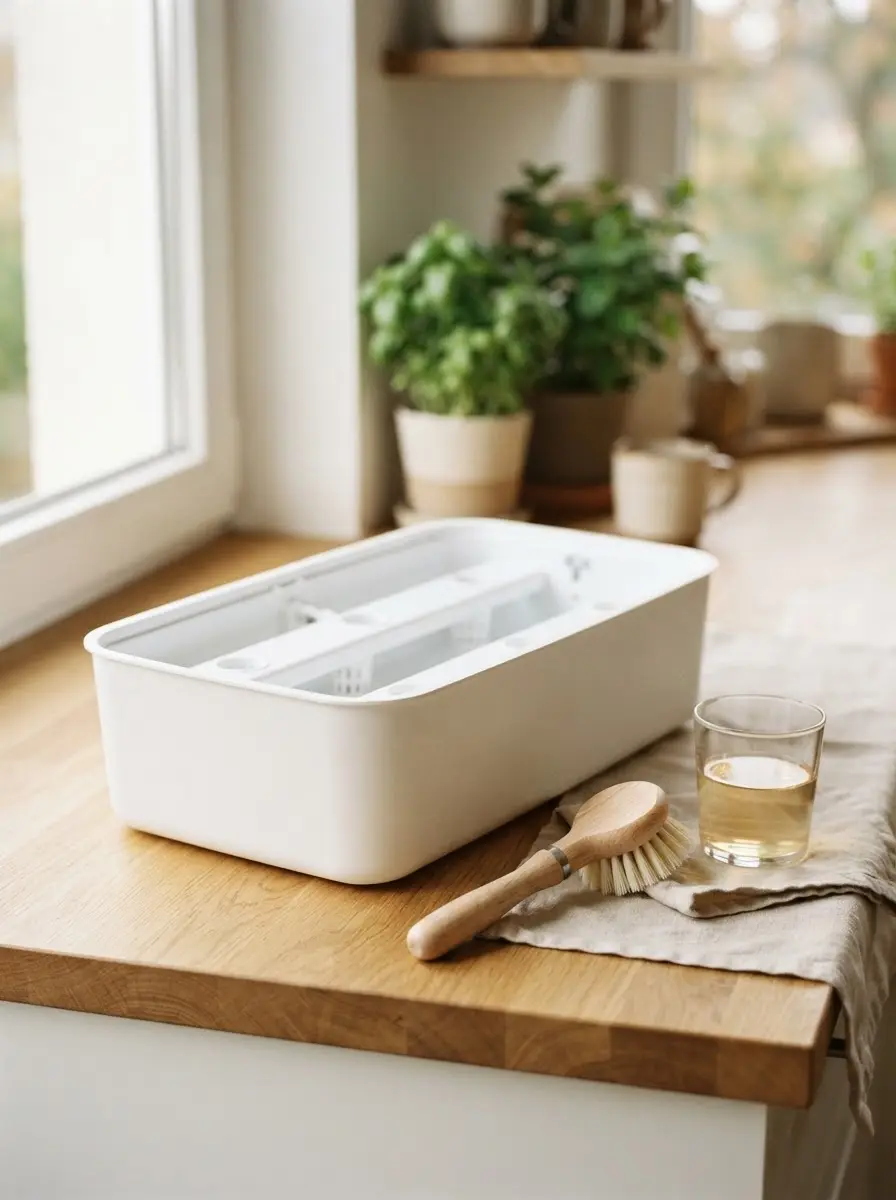
AI-generated editorial illustration; not a product or test photograph.
Short answer
To clean your hydroponic garden, start by unplugging the unit, draining the reservoir, and disassembling the pump for a thorough scrub. Use a mixture of white vinegar and water to dissolve mineral deposits on all plastic components. Rinse everything completely to ensure no cleaning residue remains before adding fresh water and nutrients to restart your cycle.
4
Product listings discussed; not hands-on tests
4/4
Discussed listings with a recorded price
$44.99–$119.97
Recorded listing price range; not a complete setup cost
Key takeaways
Deep clean your reservoir between every growth cycle to prevent salt buildup and biofilm growth.
Vinegar is the most effective and plant-safe solution for dissolving calcium and lime scale.
Always inspect your pump impeller during maintenance to ensure consistent water circulation.
Light-tight covers are necessary to prevent algae, which competes with your plants for essential oxygen.
Consistent maintenance prevents root rot and ensures the longevity of your hardware investment.
Products discussed in this article
Editorial scores and recorded prices are reference points, not measurements of suitability for every use. Read each review's specifications and limitations.
Ahopegarden Hydroponics Growing System Kit: 12 Pods$69.99
URUQ 8 Pods Hydroponics Growing System with LED Grow$44.99
Hydroponic System Maintenance Specifications
Product
Reservoir Capacity
Pod Count
Best Use Case
Ahopegarden 10 Pod
3L
10
Culinary Herbs
LETPOT LPH-SE
5.5L
12
Low-Maintenance
Ahopegarden 12 Pod
5L
12
Digital Status
URUQ 8 Pod
3L
8
Small Spaces
Why Maintenance is the Key to Hydroponic Growth
Hydroponic gardening is an exercise in environmental control, and the cleanliness of your basin is the foundation of that success. As your garden matures, your plants consume water and nutrients, leaving behind dissolved solids that eventually crystallize into white mineral crust. These deposits can wreak havoc on your mechanical components, specifically the water pump. A restricted intake will cause the pump to work harder, leading to premature failure and potentially causing the water to stagnate. When water stops circulating efficiently, the dissolved oxygen levels drop, which is a major contributor to the mistakes/indoor-gardening that plague new growers, such as unexpected root rot or stunted growth. Understanding how to manage these variables is covered extensively in our guide/indoor-gardening.
Countertop systems like the Ahopegarden 10 Pods Kit are designed for convenience, but they are still susceptible to biological growth. If light hits your reservoir through open pod holes, algae will begin to bloom. Algae acts as a competitor for the very nutrients you intend for your herbs, essentially 'stealing' the fuel for your crop. By following a regular sanitation schedule, you reset the ecosystem, ensuring that your plants remain the sole focus of your system’s power. Whether you are using a compact unit or a more substantial system like the LETPOT LPH-SE, which boasts a 5.5-liter capacity, keeping that basin pristine is crucial. Regular cycles of cleaning ensure that you do not deal with clogged filters or discolored water that could ruin your culinary harvest. For those just starting, our articles/indoor-garden-system outlines the best ways to maintain these units for year-round growth.
When you are ready to perform a deep clean, preparation is everything. Start by safely unplugging your device—never leave a pump running while the water level is low. Once empty, remove all grow baskets and pods. For persistent mineral scale, do not reach for harsh household detergents. These chemicals often contain surfactants or fragrances that are nearly impossible to rinse away fully and can be toxic to delicate root systems if traces remain. Instead, use a mild solution of white distilled vinegar and water. Vinegar is an acidic, food-grade solvent that breaks down calcium and magnesium bonds effectively.
Take the Ahopegarden 12 Pods Professional as an example; its plastic construction is durable, but it should be handled with care. Use a soft-bristled brush to gently scrub the basin walls and the base of the deck. Do not use steel wool or harsh scouring pads, as these will create micro-scratches in the plastic. These scratches become magnets for biofilm and future algae growth, making your next cleaning cycle much harder. If you are cleaning a system like the URUQ 8 Pods Hydroponics Growing System, pay close attention to the pump assembly. Pull it apart carefully, removing any debris from the impeller housing. A small, soft brush can reach inside the narrow intake ports to ensure that the water flow remains unrestricted. After scrubbing, perform at least two thorough rinses with plain water. This step is non-negotiable; you must ensure no vinegary smell remains before you reintroduce your plants. Proper cleaning practices are essential for achieving the best results with your articles/best-indoor-hydroponic-garden, ensuring that you spend less time troubleshooting and more time enjoying the fresh growth your indoor environment provides.
Disassemble the pump impeller during every deep clean. Removing tiny bits of biofilm or root hair prevents noisy operation and extends the pump's life.
Managing Mineral Deposits and Hard Water
Mineral buildup is the most common grievance for indoor gardeners using tap water. These 'hard water' deposits are essentially calcium and magnesium that remain when your plants drink the water in the reservoir. Over time, this buildup can turn white, chalky, and even orange-brown if there is any iron present. If left unchecked, this mineral layer creates a rough surface that attracts algae and makes your pump work significantly harder than intended. If you live in an area with particularly hard water, you may notice that you need to scrub your reservoir more frequently than the standard cycle allows. Using a simple XLUX Plant Soil Moisture Meter or checking your local water hardness can give you a better idea of how often you should be scheduling these deep cleans.
While vinegar works for removing existing scale, you can also prevent it from forming as quickly by ensuring that the reservoir lid is always completely secure. By keeping the basin dark, you prevent the light penetration that encourages biological film to 'glue' the minerals to the plastic. If you find the buildup is excessive, it is often wise to perform a light rinse every two weeks even if a full deep clean isn't yet required. This 'maintenance rinse' prevents the mineral layer from becoming thick enough to interfere with the pump's mechanical efficiency. Keeping your system as clean as possible is a core component of the advice we provide in our articles/hydroponic-growing-system. Remember, if you use a higher-capacity tank, such as those found on larger models, the higher surface area means more room for mineral attachment. Staying proactive means you only need to perform the intensive disassembly once every few weeks rather than fighting with a clogged, neglected system.
The water pump is the heart of your hydroponic system, and it is almost always the first part to fail if maintenance is ignored. In systems like the Ahopegarden 12 Pods Professional, the pump is designed for silent operation, but it can quickly become noisy if mineral deposits lodge in the impeller. If you hear a grinding or rattling sound, that is a clear indicator that it is time for a deep clean. Disassemble the pump housing—usually by gently twisting the cap or pulling the cover off—and remove the impeller. You will often find hair, plant roots, or slimy biofilms wrapping around the small internal propeller. These foreign objects increase friction, which generates heat and significantly shortens the lifespan of the unit.
Regular inspections also involve checking the filter screen or intake mesh. Many modern systems use a fine mesh to prevent root hairs from being pulled into the motor housing. If this screen gets blocked, the pump will struggle to pull water, and your plants will effectively 'suffocate' in stagnant solution. Ensure you rinse the pump and intake mesh thoroughly under warm water, using a small brush if necessary. If you are struggling with a system that has become excessively noisy even after cleaning, check the alignment of the pump in the reservoir. Even slight vibrations against the basin wall can amplify motor noise. Keeping these components clean not only improves performance but also ensures that your articles/best-indoor-hydroponic-garden delivers the lush yields you expect. A healthy, clean pump will run quietly for thousands of hours, saving you the expense and hassle of buying replacement parts. As outlined in our articles/aerogarden, proper care for your components is an essential habit for all indoor growers.
Never use bleach or household degreasers. These leave toxic residues that can kill roots and contaminate your herbs.
Why You Should Avoid Harsh Chemicals
New gardeners sometimes mistakenly believe that a 'deep clean' requires harsh cleaning agents like bleach or oven cleaners to reach a sterile state. This is a significant error. Hydroponic systems are designed for food production, and the materials, such as the ABS plastic in the URUQ 8 Pods Hydroponics Growing System, are porous enough to hold onto chemicals long after you have rinsed them. If even a trace of bleach remains, it can kill off beneficial microbes or, worse, burn the delicate root tips of your seedlings when you refill the tank. Roots are highly sensitive to external chemicals and even minor pH fluctuations caused by residue.
Stick to white distilled vinegar. It is highly effective at dissolving scale, safe for the food you plan to harvest, and easy to rinse away completely. Furthermore, some chemical cleaners can actually break down the integrity of the plastic itself over time, causing it to become brittle or cloudy. You want your system to remain clear and functional for years. There is never a scenario where a harsh chemical is preferred over a vinegar-based soak for a home hydroponic unit. If you are concerned about stubborn biological stains, the best approach is to soak the parts in warm water and vinegar for an hour. This extended contact time allows the acid to do the work, meaning you don't have to scrub as hard or risk scratching the plastic. For more tips on what to avoid, visit our mistakes/indoor-gardening section. Protecting your investment and the safety of your produce starts with using the right tools and cleaning agents, as detailed in our articles/hydroponic-growing-system. Your plants, and your peace of mind, will be much better off when you stick to mild, safe, and proven methods.
Once your reservoir is sparkling clean, the final step is ensuring your system is primed for the next generation of growth. Before you add any new sponges or seeds, ensure the reservoir is completely dry and free of any residual vinegar scent. Fill the tank with cool, fresh water and verify that your pump is seated correctly. When you introduce your nutrients, always follow the manufacturer's specified concentration. It is tempting to add extra nutrients to 'boost' growth, but this is a common reason for mineral buildup returning too quickly. Your plant’s nutrient uptake is limited, and excess solution only contributes to salt crystallization.
Consider also whether your equipment needs a full calibration after a deep clean. If you use external sensors like the SONKIR Soil pH Meter, remember that this tool is not for hydroponic solution measurements, but it highlights the need for simple testing tools. If you are serious about managing your nutrient density, consider checking your EC (electrical conductivity) levels if your system allows it. When you are ready to plant, ensure you use fresh grow sponges. Reusing old sponges is a recipe for disaster; they are almost impossible to clean fully and often harbor old pathogens. Having a fresh supply of consumables is a small price to pay for the success of your garden. By meticulously following these cleaning steps, you ensure that every crop you grow gets the best possible start. If you ever need to compare the specifications of your current kit to others on the market, our compare tool is always available to help you make informed decisions about your next upgrade. Your clean, well-maintained system will reward you with stronger plants, faster growth, and more bountiful harvests all year round.
1Power off and unplug your system completely to ensure safety.
2Remove all plant baskets and discard the used grow sponges.
3Empty the water reservoir fully into a drain to remove old salts.
4Wipe the internal walls with a cloth dampened in a water-vinegar solution.
5Disassemble the pump head and rinse the impeller to remove biofilm.
6Rinse the entire unit twice with fresh water to remove all vinegar traces.
7Fill the tank to the marked line and add fresh hydroponic nutrients.
Quick checklist
Unplug the power cord from the wall outlet.
Carefully remove all grow baskets and old sponges.
Drain the reservoir completely into a sink.
Scrub the basin interior with diluted white vinegar.
Disassemble the pump to clear debris from the impeller.
Rinse all components thoroughly with clean water.
Refill with fresh water and recommended nutrient dose.
Frequently asked questions
How often should I deep clean my hydroponic garden?
We recommend a full deep clean every time you start a new batch of plants, or at least every 4 to 6 weeks. Regular cleaning prevents mineral buildup and keeps your pump running efficiently.
Can I use dish soap to clean the reservoir?
Avoid dish soap, as even trace residues can be harmful to your plants' root systems. White vinegar is a far safer and highly effective cleaning agent that leaves no toxic residue.
What is the white crusty buildup in my tank?
This is calcium and magnesium from your tap water. These minerals accumulate as the water evaporates. Using distilled water or performing regular vinegar rinses can significantly slow this buildup.
Is it normal to see algae (green slime) in the tank?
Algae growth happens when light hits the water. Ensure all pod holes are covered to block light, and perform a deep clean to remove existing growth. Algae consumes nutrients needed by your plants.
My pump is making a loud rattling noise—what should I do?
A noisy pump often indicates debris caught in the impeller. Disassemble the pump, remove the impeller, and clear out any gunk or mineral scale. This usually fixes the noise instantly.
Does my reservoir need to be perfectly dry before I add new nutrients?
It doesn't need to be perfectly dry, but it should be rinsed of all cleaning agents. A few drops of water left behind are fine, but ensure the reservoir smells neutral, not like vinegar, before restarting.
Amazon links are affiliate links; we may earn a commission at no cost to you.
Shortlists in this category
Ranked lists from our indoor gardening & hydroponics reviews, limited to listings whose titles confirm the product type, with budget cuts where enough recorded prices sit on both sides of the line.
This page summarizes our research reviews of Amazon listings, listed specifications and captured buyer ratings. It is not a hands-on test. Scores are editorial assessments, not measured performance; prices are recorded snapshots and may change. A category can include both main products and accessories, so its overall price range is not the cost of a complete setup.
Most recent product record update: September 15, 2026. Individual records may be older; this is not a verification date for every claim. Prices on this page were read from the listings Nov 8, 2026 – Nov 12, 2026.
Compare the same kind of indoor gardening & hydroponics
Choose the product type first. These groups require a match in the listing title; an import search term alone is not enough. Scores rank our recorded research assessments within each group, not independently measured performance.
Values are shown as recorded, without unit conversions or inferred compatibility. Not recorded means unknown, not absent. Prices are snapshots, not current offers. Editorial scores are research judgments, not lab results. Amazon links are affiliate links.
Before treating a comparison as complete
Which details are still unknown?
A specification appearing in a listing is not independent verification. These counts show which shortlisted records contain the same field; a blank record does not mean the product lacks the feature.
Capacity
Recorded for 2 of 2 shortlisted models
Present in every shortlisted record. Check units, exact variants and the current manufacturer documentation before relying on it.
Included Components
Recorded for 2 of 2 shortlisted models
Present in every shortlisted record. Check units, exact variants and the current manufacturer documentation before relying on it.
Compare PPFD coverage at the intended canopy distance, power consumption and crop needs; one center-point reading does not describe the whole growing area.
Reservoir size sets how often you are tied to the system.
Full-spectrum white beats blurple for plants you look at daily.
If a specification, certification or compatibility detail is absent, mark it as unknown and ask the seller or manufacturer. Do not substitute a star rating, an editorial score or a different model's specification.