Best Aerogarden and Hydroponic Kits for Indoor Gardening in 2026
We analyze leading countertop hydroponic systems to help you cultivate fresh herbs and greens at home, emphasizing reservoir capacity, light quality, and ease of use.
By the Niche Picks editorsUpdated November 8, 20269 min readDrawn from our 35 research-based indoor gardening & hydroponics reviews
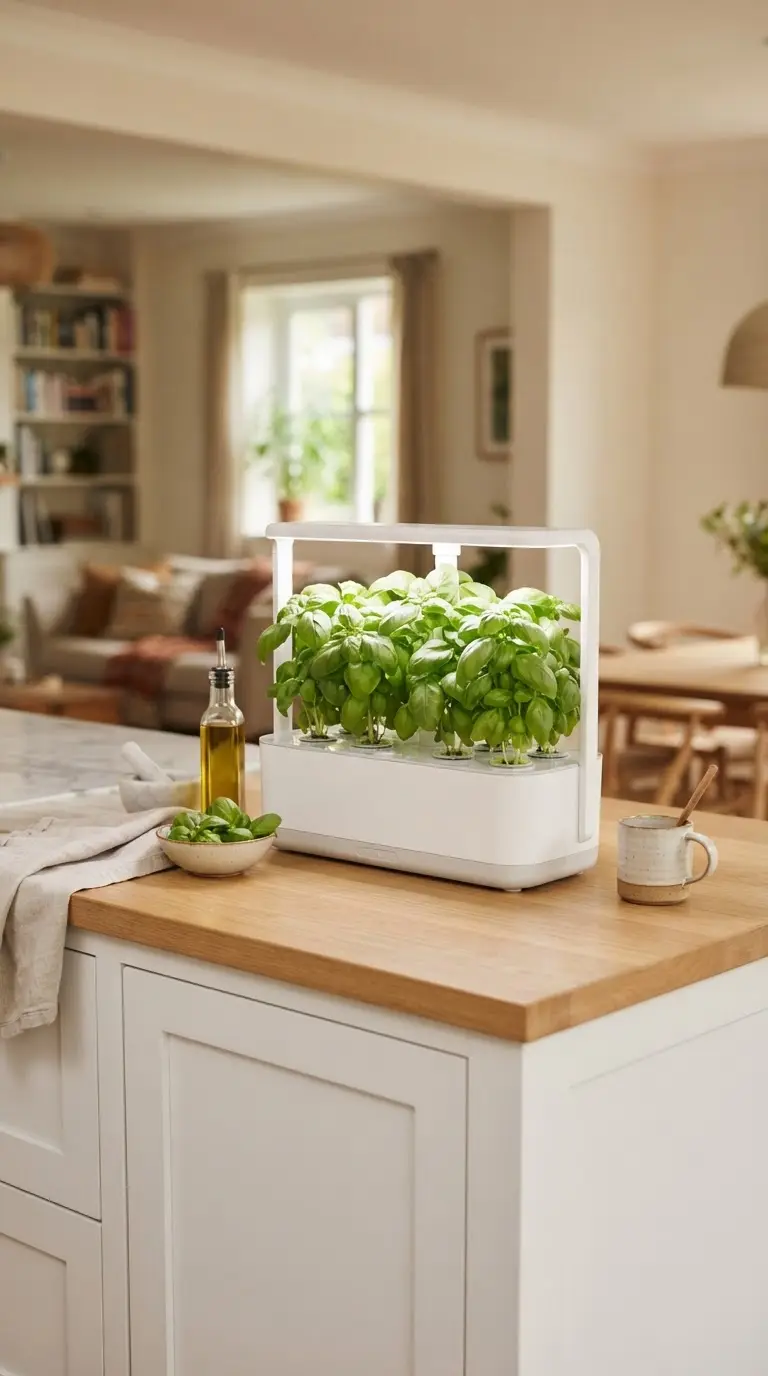
AI-generated editorial illustration; not a product or test photograph.
Short answer
The best Aerogarden-style hydroponic systems balance automation with physical capacity, such as the LETPOT LPH-SE for its generous 5.5-liter reservoir or the Ahopegarden 12-Pod Kit for its intuitive LCD tracking. Success relies on selecting units with adjustable masts that maintain consistent light at the canopy and choosing full-spectrum white lighting to ensure healthy plant growth while remaining visually neutral in living areas.
4
Product listings discussed; not hands-on tests
4/4
Discussed listings with a recorded price
$44.99–$119.97
Recorded listing price range; not a complete setup cost
Key takeaways
Prioritize units with larger reservoirs to reduce the frequency of manual water top-offs.
Choose full-spectrum white LEDs to avoid the visual discomfort of magenta blurple lights.
Adjustable masts are mandatory to maintain appropriate light intensity as your plants gain height.
Do not overfill planting pods, as plant crowding limits airflow and light penetration to lower foliage.
Always verify reservoir capacity to ensure you aren't tied to daily maintenance tasks.
Use designated A&B liquid nutrient solutions to prevent pump clogs and nutrient deficiencies.
Products discussed in this article
Editorial scores and recorded prices are reference points, not measurements of suitability for every use. Read each review's specifications and limitations.
URUQ 8 Pods Hydroponics Growing System with LED Grow$44.99
Countertop Hydroponic Garden Comparison
Product
Pods
Reservoir
Interface
Best For
LETPOT LPH-SE
12
5.5L
App & WiFi
Low-maintenance
Ahopegarden 12
12
5L
LCD Panel
Status tracking
Ahopegarden 10
10
3L
Buttons
Culinary herbs
URUQ 8
8
3L
Buttons
Beginner tests
Why reservoir capacity sets the pace of your garden
In indoor hydroponics, the reservoir size is the primary determinant of how often you must interact with your system. A common frustration for new growers is underestimating how much water a mature, twelve-pod garden can transpire during warm, dry indoor months. While a 3-liter basin, such as the one found on the URUQ 8 Pods system, is adequate for seedlings, it quickly becomes a labor-intensive chore as the plants reach maturity and increase their transpiration rate. By comparison, the LETPOT LPH-SE offers a 5.5-liter reservoir, which provides significantly more buffer time, allowing you to go longer between refills without risking the roots becoming exposed.
Maintaining adequate water levels is not merely about convenience; it is critical for system longevity and plant health. When water levels drop below the intake point of the internal pump, the motor runs dry, which risks long-term failure and noise. Furthermore, erratic water levels can cause salt concentration swings in the nutrient solution, leading to tip burn on delicate leaves. If you are a beginner looking into hydroponic growing system options, always check the reservoir capacity relative to your plant density. If your space allows for a larger footprint, opting for the 5-liter or 5.5-liter models, such as the Ahopegarden 12-Pod kit, will save you from the repetitive cycle of checking and refilling that often leads to abandoned gardens. Consistency is the foundation of indoor gardening success, and a larger water buffer is the simplest way to achieve it, allowing your herbs to thrive with minimal intervention even during busy weeks.
Understanding the necessity of full-spectrum lighting
For years, indoor gardening was synonymous with harsh, magenta-colored 'blurple' lights that strained the eyes and made it difficult to detect plant diseases or pests. Modern consumer-grade hydroponic gardens have largely moved toward full-spectrum white light, which mimics the color profile of sunlight. This shift is not just an aesthetic improvement; it is a practical one for any garden located in a living room, kitchen, or office. Full-spectrum white LEDs, like those utilized in the Ahopegarden 10-Pod unit, allow for natural observation of foliage, meaning you can easily identify chlorosis, nutrient deficiencies, or spider mites before they spread.
Beyond visual comfort, full-spectrum white diodes are engineered to support the entire biological cycle of your plants. While legacy red-blue systems were often marketed as 'efficient,' modern boards provide a more balanced intensity across the usable spectrum. The challenge, however, is that manufacturers rarely publish detailed Photosynthetic Photon Flux Density (PPFD) maps at specific canopy distances. Because PPFD is the only metric that truly matters for plant growth, you must be proactive about adjusting your system's mast. If your plants look 'leggy'—meaning they have long, spindly stems and sparse leaves—it is a clear signal that the light is too far from the canopy or is providing insufficient intensity. This is one of the most frequent mistakes to avoid when setting up a new kit. Regularly check if your model allows for mast height extension; a 15-to-30-inch adjustment range provides the necessary flexibility to keep the diodes close to the developing leaves, ensuring that your herbs receive the necessary photons to remain compact and productive throughout their growth cycle.
Trim your herbs frequently to encourage bushier, lateral growth. This maximizes your yield and prevents plants from hitting the light mast too quickly.
How to optimize your hydroponic planting deck
One common marketing strategy is to highlight the pod count, but a 12-pod deck does not always equate to 12 healthy, mature plants. When you densely pack herbs like basil, oregano, or parsley, you create a competition for light, nutrients, and space. As the plants grow, they block the diodes from reaching their neighbors, leading to uneven harvests and potentially localized mold issues due to trapped humidity. When starting a new kit, consider planting only every other pod site. This simple step provides better airflow and ensures that each specimen receives full exposure from the overhead LED hood. If you find your plants are crowding too quickly, it is often better to harvest early and frequently rather than letting them overwhelm the system.
Furthermore, the quality of the included accessories matters. When evaluating any indoor hydroponic garden, inspect what is included in the box. Some kits, like the Ahopegarden 12-Pod kit, include comprehensive starter supplies such as nutrient bottles, sponges, and baskets. Others may fall short, requiring you to purchase supplemental grow sponges almost immediately. Budgeting for these consumables is part of the long-term cost of ownership. If you are using your garden for culinary herbs, remember that these systems thrive on a 'harvest often' philosophy; the more you trim the tops, the more the plant will branch out, leading to a bushier, more productive yield. Do not be afraid to prune aggressively once your plants reach the mid-point of the light mast. This behavior mimics natural consumption and helps keep the canopy at an optimal height relative to your LEDs, maximizing the efficiency of every photon delivered by the system.
Technological features: Apps versus onboard controls
Hydroponic systems currently fall into two distinct camps: those that rely on simple mechanical or touch-button timers and those that incorporate Wi-Fi connectivity and app-based monitoring. Systems like the LETPOT LPH-SE allow you to adjust your light and pump cycles remotely via an app, providing peace of mind when you are away from home. This can be particularly useful for ensuring the light schedule remains consistent or for adjusting settings without physically needing to reach over the counter. On the other hand, systems like the Ahopegarden 12-Pod unit utilize onboard LCD panels to track growth days and cycle status. These systems are often preferred by growers who do not want the complexity of connecting garden hardware to their home network.
There is no 'correct' choice, only the right choice for your workflow. If you are tech-savvy and appreciate data, app-based control provides a helpful look at your automated environment. However, if you prefer a 'set it and forget it' approach, standard touch-button consoles are often more durable and less prone to connectivity bugs. Regardless of the controller, the most important function remains the pump cycle. The standard for indoor hydroponics is a repeating cycle—usually 30 minutes on, 30 minutes off—that provides the root zone with alternating hydration and oxygen. This oxygenation is just as critical as the water itself. If you notice your pump is becoming noisy, it is often a sign of biofilm buildup; keep your reservoir and pump housing clean to maintain silent operation. Whether your system is managed by a phone app or a physical screen, the underlying need for oxygenated root-zone management remains the fundamental biological constraint of any successful tabletop hydroponic setup.
Biofilm can build up in the water pump, causing noise and reduced flow. Rinse the pump during every full reservoir change to ensure consistent aeration.
Essential tips for long-term hydroponic maintenance
Sustaining a hydroponic garden for multiple cycles requires a routine approach to maintenance that goes beyond simply topping off the water. Every three to four weeks, it is highly recommended to perform a full reservoir drain and flush. Even with high-quality nutrients, mineral deposits and salt buildup can occur, which can eventually lead to nutrient lockout—where the plant can no longer absorb minerals even if they are present in the water. Flushing the system replaces old, imbalanced water with a fresh solution, giving your plants a clean slate for the next phase of growth. This is also the perfect time to inspect your baskets and sponges for algae growth, which thrives in any area where the nutrient solution is exposed to direct light. Covering your unused pod sites with plastic caps is a simple way to prevent this.
Furthermore, keep a record of your nutrient dosage. While the manufacturers of kits like the Ahopegarden 12-Pod kit provide clear instructions, it is easy to over-fertilize during the seedling stage. If the leaf tips start to brown or turn crispy, you may be using too high a concentration of nutrients. It is always better to start with a half-strength solution for the first week or two and gradually increase as the plant establishes a robust root mass. Additionally, don't ignore the environment around the garden. These units do not exist in a vacuum; if the humidity in your home is extremely low, your plants will require more frequent water additions. Monitoring your ambient environment can be just as important as monitoring the garden itself. Following these basic maintenance steps will significantly extend the lifespan of your components, particularly the water pump, ensuring that your countertop garden continues to yield fresh, nutrient-dense greens for many months to come.
While countertop hydroponic kits are designed as all-in-one solutions, there are moments when they may require a bit of extra help. If you are growing crops that require high intensity—such as fruiting peppers or tomatoes—the integrated overhead hood might eventually struggle to provide enough light for high-yield production. In such cases, you can augment your system by positioning an external light nearby. We recommend consulting our guide on best grow lights for indoor plants to find supplemental panels that will not conflict with the aesthetic of your living room. A small, full-spectrum LED board, when used as a side-light, can significantly increase the density of a flowering crop without needing to replace the primary system.
Do not view supplemental lighting as a failure of your main unit, but rather as an upgrade for specific needs. Many of the kits featured in our reviews are optimized for herbs and leafy greens, which are 'light-medium' consumers. When you challenge these systems with heavy-feeders, you are pushing them to their upper technical limits. In these instances, understanding how do LED lights help plants grow? can help you place your lights at the most effective distance. Remember that intensity follows the inverse-square law; moving a light twice as close to a plant can provide up to four times the intensity. This is why adjustable masts are such a valuable feature. If your garden lacks this, you are significantly limited in what you can grow. By carefully balancing your primary hydroponic garden with secondary, targeted light sources, you can transform a simple countertop herb kit into a versatile production station capable of much more than just occasional basil harvests. Always be mindful of heat buildup when adding external lamps; even passive-cooled LEDs can raise the ambient temperature within a small kitchen environment.
1Select a level, stable location near a standard AC power outlet.
2Assemble the light mast and confirm it is locked into the primary base.
3Fill the reservoir with filtered water up to the indicated maximum level line.
4Insert sponges and seeds into the baskets, then place them in the pod holes.
5Dilute the provided A&B nutrient solution according to the manual's startup guide.
6Plug in the system and initiate the default lighting and pump cycle.
7Monitor the water level weekly and top off as necessary to keep the pump submerged.
8Raise the light hood as the foliage grows to maintain an ideal distance from the leaves.
Quick checklist
Verify the unit's dimensions against your available countertop space.
Ensure the telescoping mast reaches a height suitable for your target plants.
Check that the kit includes essential initial nutrients and growth sponges.
Confirm the pump noise level is acceptable if placing the unit in a living room.
Compare reservoir size to your anticipated plant load to estimate refill frequency.
Look for units with full-spectrum white lighting for better visibility and plant health.
Frequently asked questions
How often should I add water to my hydroponic kit?
Maintenance depends on reservoir size and plant maturity. A 5.5L system like the LetPot will require less frequent attention than a 3L unit, but you should always check your levels weekly, especially as your plants reach full canopy and increase their transpiration rate.
Can I grow vegetables like tomatoes in these gardens?
Most compact hydroponic kits are optimized for herbs and greens. While you can grow fruiting crops, they require significantly higher light intensity and nutrient management than a standard countertop unit typically provides. Ensure your mast and light output are high enough before starting.
Are specialized nutrients required for hydroponics?
Yes, do not use traditional soil fertilizers. Hydroponic systems require mineral-based A&B solutions that are designed to dissolve fully in water, ensuring they can be circulated by the pump without clogging the system or damaging the root zone.
Why are my plants growing thin and tall?
If your plants appear 'leggy,' they are likely not receiving enough light. Move the light hood closer to the canopy if possible. If the mast is already at its maximum height, your plant variety may require more light intensity than the unit can provide.
Is the pump noise normal?
Most systems use a quiet, intermittent pump cycle to circulate oxygen. If the pump becomes unusually loud or emits a grinding sound, it likely needs to be cleaned of biofilm. Regular maintenance of the basin and pump intake will keep these units operating silently.
Amazon links are affiliate links; we may earn a commission at no cost to you.
Shortlists in this category
Ranked lists from our indoor gardening & hydroponics reviews, limited to listings whose titles confirm the product type, with budget cuts where enough recorded prices sit on both sides of the line.
This page summarizes our research reviews of Amazon listings, listed specifications and captured buyer ratings. It is not a hands-on test. Scores are editorial assessments, not measured performance; prices are recorded snapshots and may change. A category can include both main products and accessories, so its overall price range is not the cost of a complete setup.
Most recent product record update: September 15, 2026. Individual records may be older; this is not a verification date for every claim. Prices on this page were read from the listings Nov 8, 2026 – Nov 12, 2026.
Compare the same kind of indoor gardening & hydroponics
Choose the product type first. These groups require a match in the listing title; an import search term alone is not enough. Scores rank our recorded research assessments within each group, not independently measured performance.
Values are shown as recorded, without unit conversions or inferred compatibility. Not recorded means unknown, not absent. Prices are snapshots, not current offers. Editorial scores are research judgments, not lab results. Amazon links are affiliate links.
Before treating a comparison as complete
Which details are still unknown?
A specification appearing in a listing is not independent verification. These counts show which shortlisted records contain the same field; a blank record does not mean the product lacks the feature.
Capacity
Recorded for 2 of 2 shortlisted models
Present in every shortlisted record. Check units, exact variants and the current manufacturer documentation before relying on it.
Included Components
Recorded for 2 of 2 shortlisted models
Present in every shortlisted record. Check units, exact variants and the current manufacturer documentation before relying on it.
Compare PPFD coverage at the intended canopy distance, power consumption and crop needs; one center-point reading does not describe the whole growing area.
Reservoir size sets how often you are tied to the system.
Full-spectrum white beats blurple for plants you look at daily.
If a specification, certification or compatibility detail is absent, mark it as unknown and ask the seller or manufacturer. Do not substitute a star rating, an editorial score or a different model's specification.