Best Indoor Garden Systems for Year-Round Growth in 2026
Find the perfect indoor garden system to automate your harvests, from compact kitchen herb kits to high-capacity hydroponic reservoirs and moisture-managed setups.
By the Niche Picks editorsUpdated November 8, 20268 min readDrawn from our 35 research-based indoor gardening & hydroponics reviews
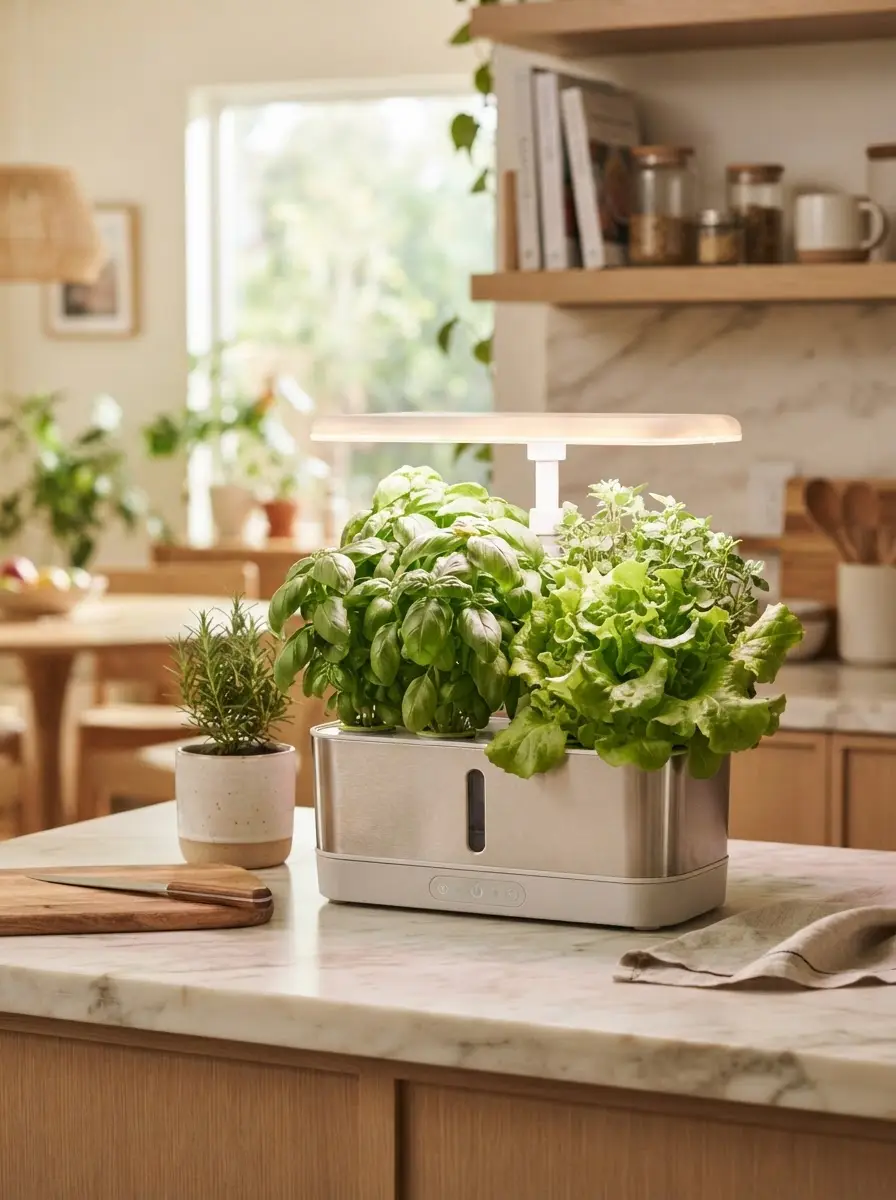
AI-generated editorial illustration; not a product or test photograph.
Short answer
The best indoor garden system depends on your available space and maintenance preference. Countertop hydroponic units like the LETPOT LPH-SE offer automated lighting and pumps for culinary herbs, while passive self-watering planters like Fielda provide a simple, low-maintenance solution for larger potted foliage. Always prioritize full-spectrum white LED lighting and consider reservoir size to minimize your refill frequency.
5
Product listings discussed; not hands-on tests
5/5
Discussed listings with a recorded price
$25.99–$119.97
Recorded listing price range; not a complete setup cost
Key takeaways
Choose a hydroponic system with at least a 5-liter reservoir to significantly reduce how often you need to refill water.
Always opt for full-spectrum white LED lighting, as it provides a natural aesthetic for living spaces compared to older magenta or blurple grow lights.
Evaluate light output based on photosynthetic photon flux density (PPFD) at your specific canopy distance rather than trusting generic wattage claims.
Manual moisture meters are invaluable for preventing root rot in standard container plants, but they must be removed after use to prevent metal oxidation.
Match your enclosure size to your plant growth goals, using dedicated grow tents for full-cycle crops or simple desktop kits for fresh kitchen herbs.
Products discussed in this article
Editorial scores and recorded prices are reference points, not measurements of suitability for every use. Read each review's specifications and limitations.
Ahopegarden Hydroponics Growing System Kit: 12 Pods$69.99
8/10/12 Inch Self Watering Pots for Indoor/Outdoor$28.99
Aokrean Grow Lights for Indoor Plants, Full Spectrum$25.99
Top indoor garden system and supplemental tool comparisons
Product
Pods/Capacity
Connectivity
Best For
Price
LETPOT LPH-SE
12 Pods / 5.5L
App/WiFi
Low-maintenance
$119.97
Ahopegarden 10-Pod
10 Pods / 3L
None
Countertop herbs
$65.99
Ahopegarden 12-Pod
12 Pods / 5L
LCD Panel
Status displays
$62.99
Fielda Self-Watering
Large Pots
None
Floor plants
$28.99
Aokrean Ring Light
N/A / Desktop
None
Small foliage
$25.99
What Defines a Capable Indoor Garden System?
An indoor garden system functions by replicating the essential environmental conditions plants require for photosynthesis and healthy root development. In a controlled environment, this usually involves three pillars: stable hydration, sufficient light intensity, and oxygenated root zones. Our guide/indoor-gardening highlights that modern systems have shifted away from the harsh, distracting 'blurple' light spectrums of the past, favoring full-spectrum white diodes that mimic natural daylight. This improvement makes systems like the Ahopegarden 12-Pod much more suitable for placement in kitchens or living rooms where aesthetic comfort matters as much as plant health.
Reservoir capacity dictates your maintenance interval.
Full-spectrum white light is visually neutral and better for plant health monitoring.
Automated pumps provide necessary root aeration in water-based hydroponic setups.
When evaluating any system, you must consider how the hardware interacts with your daily life. For instance, the LETPOT LPH-SE integrates WiFi and app connectivity, which allows for remote schedule management that can prevent crop failure if you are frequently away from home. The system's 5.5-liter reservoir serves as the benchmark for low-maintenance kits, ensuring that even at peak transpiration, you aren't tied to daily water additions. If your goal is to avoid excessive labor, choosing a system with a larger water basin is the most effective strategy for ensuring long-term success without the need for mistakes/indoor-gardening.
The most common error when choosing a grow system is relying on nominal wattage or lumen counts to judge light quality. In professional and advanced hobbyist horticulture, photosynthetic photon flux density (PPFD) is the only metric that accurately describes how much usable light your plants are actually receiving. Unfortunately, many consumer-grade units fail to publish these essential maps at varying distances. When you look at articles/best-grow-lights-for-indoor-plants, you will notice that professional systems emphasize uniform distribution. Without a verified grid of PPFD values, you should assume that light intensity drops off sharply toward the edges of the growing deck.
Lumens measure human eye sensitivity, not plant growth energy.
PPFD drops exponentially as you move the light source away from the leaf surface.
Avoid systems that force a single-point light source across a wide deck.
If you are using a compact system like the Ahopegarden 10-Pod, keep in mind that as your herbs grow vertically, the distance to the LED hood shrinks. This change in proximity can cause localized light stress if the intensity is too high, or stretching (etiolation) if the plants are outgrowing the light's effective range. For those transitioning from simple herbs to more demanding fruiting crops, exploring articles/best-indoor-hydroponic-garden is a vital step in understanding how to maintain optimal photosynthetic conditions throughout the entire life cycle of your plants, regardless of the specific brand of unit you ultimately select for your household.
Use a moisture meter to check the soil, but never leave it in the pot. Prolonged contact with moist soil can cause the metal probe to corrode and lose its calibration accuracy.
Reservoir Dynamics and Water Management
Hydroponic systems rely on a reservoir to sustain the plant's nutrient and hydration needs. The fundamental rule here is simple: your reservoir size sets how often you are tied to the system. A 3-liter tank, common in entry-level kits, is efficient for small seedlings but will quickly become a liability when you have 10 to 12 mature plants pulling water at a high rate of transpiration. During these late growth stages, you may find yourself refilling the tank every 48 hours. For more tips on managing these cycles, see our blog/indoor-gardening section.
Small reservoirs require daily monitoring in summer or dry winter months.
Larger systems provide a buffer against temporary power outages or missed maintenance.
Always check that your system includes a visible water-level indicator to prevent root desiccation.
For those who find hydroponic reservoir maintenance too demanding, consider the alternative of high-quality, self-watering pots like those from Fielda. These containers use capillary wicking to deliver moisture from a bottom reservoir directly into the soil. They offer a much longer watering interval for traditional houseplants than standard pots and avoid the complexities of pump maintenance. Unlike hydroponic units that might require specialized nutrient balancing, these planters function well with standard potting mixes, provided they are amended with perlite to allow for proper root aeration. This middle-ground approach is often the most sensible path for hobbyists who want the benefits of automated hydration without the full commitment of a hydroponic system.
Selecting the right system requires a clear assessment of your commitment level. Hydroponic kits are excellent for fast-growing greens, herbs, and micro-crops because they optimize the uptake of nutrients and water. However, these systems are essentially closed-loop machines that require regular cleaning of the pump, balancing of the nutrient solution, and monitoring for mineral buildup. If you are a beginner, you can learn more about these requirements in our articles/hydroponic-growing-system. Conversely, soil-based setups offer a slower, more forgiving pace.
Hydroponics: Fast growth, high output, requires active maintenance and nutrient management.
Soil/Self-Watering: Slower, more aesthetic, better for established foliage and decorative plants.
Always check available space before committing to a system.
If you choose a soil-based indoor garden, the most critical investment isn't the light or the planter, but the diagnostic tools used to manage the moisture level. Overwatering is the primary cause of plant death in indoor soil containers because it restricts oxygen flow to the roots, leading to anaerobic rot. A simple analog moisture meter allows you to look beneath the surface to see what is happening in the root zone before you reach for the watering can. Remember that when you compare systems, the price of the unit should also reflect the quality of the included accessories, such as nutrient starter packs, sponges, and seed baskets, which are often bundled to help you hit the ground running.
New seedlings are highly sensitive. Start your grow lights at the highest adjustable setting (farthest from the canopy) and slowly lower them as the plant builds tolerance.
Aesthetic Integration and Room Placement
The visual presence of your indoor garden is just as significant as its horticultural performance. If your garden is situated in a living room, a home office, or an open-concept kitchen, the light profile will influence how the room feels at night. Older grow lights often used a pink or purple spectrum that can cause severe visual fatigue and make the room look unsettling. Modern systems, including the Aokrean Desktop Light, now focus on full-spectrum white light that simulates a sunny day. This choice allows you to enjoy the natural colors of your plants and prevents the 'industrial' look that often comes with standard grow equipment.
Avoid blurple light in living spaces if you occupy the room daily.
Full-spectrum white light enhances the decor and makes plant health assessment easier.
Use telescoping light masts to keep the light source close to the canopy for better results.
Beyond the light, consider the footprint of the system. A rectangular unit like the LETPOT LPH-SE can align more neatly with shelf depths, whereas round units like the Ahopegarden 10-Pod provide a more organic look that fits on corner tables. If you are planning to scale up your hobby, you might eventually look at dedicated grow tents, which can keep the entire gardening operation contained within a closet or an unused room. This separation keeps humidity and mess away from your primary living areas, allowing for more intensive horticultural practices without cluttering your home's main functional spaces. You can find more advice on this in our faq/indoor-gardening resources.
The long-term value of an indoor garden system is determined by its durability and the ongoing cost of consumables. When you buy an entry-level unit, you are often paying for the convenience of an all-in-one package. However, be wary of systems that rely on proprietary pods or specific nutrient brands that might become expensive or hard to source over time. A great system allows for flexibility, letting you use third-party sponges or standard nutrient blends as you gain experience. Before finalizing your purchase, check if the manufacturer provides clear information on replacement parts or warranty support, especially for the pump and electrical board.
Always rinse pumps during every water change to prevent mineral buildup.
Periodically calibrate analog moisture meters if possible, or replace them if the needle becomes erratic.
Keep spare growth sponges and fertilizer on hand to avoid supply gaps during rapid growth periods.
Remember that high-quality hardware will generally save you money in the long run by reducing the frequency of replacements and crop losses. While a $50 unit might seem attractive, investing slightly more in a system with robust components and a larger reservoir often results in a more pleasant gardening experience. If you are working within a strict budget, prioritize the fundamental grow-support features—like light quality and reservoir capacity—over non-essential tech like WiFi or fancy LCD screens. A reliable grow is rarely dependent on high-tech gadgets, but it is always dependent on consistent, quality light and proper hydration. By following these principles, you can build a lush, vibrant indoor garden that thrives year-round regardless of the external climate or season.
1Assemble your hydroponic unit on a level, waterproof surface near a power outlet.
2Prepare the nutrient solution according to the manufacturer's specific ratio instructions.
3Insert the grow sponges and seeds into the designated deck pods.
4Set the light mast height, ensuring it is at the maximum distance initially.
5Program the automated light and pump cycle as recommended for your crop type.
6Refill the reservoir when the indicator shows low levels, usually every 7-14 days.
7Prune foliage as it nears the LED hood to prevent crowding and heat stress.
Quick checklist
Measure the available surface area (depth, width, and height).
Choose between a self-contained hydroponic kit or a passive soil-based planter.
Verify the system uses full-spectrum white LEDs for natural light appearance.
Ensure the reservoir capacity aligns with your desired maintenance schedule.
Purchase a separate moisture meter for soil-based plants to avoid overwatering.
Check for available replacement parts like sponges and nutrient refills.
Set an automated timer or confirm the unit includes one to ensure consistent lighting.
Frequently asked questions
How often should I change the water in my hydroponic system?
Most systems require a full reservoir refresh every 2 to 4 weeks, depending on the number of plants and their growth rate. Regular changes prevent nutrient imbalance and salt buildup that can stunt root development.
Can I grow fruiting vegetables in a small countertop unit?
You can grow small varieties like peppers or cherry tomatoes, but they require significant light intensity and a larger reservoir. Ensure your light source is high-wattage and placed close enough to the canopy to support flowering.
Why are my leaves turning brown in my hydroponic kit?
Brown leaves often indicate nutrient burn from over-fertilizing, insufficient aeration (causing root rot), or light stress. Check your reservoir pH, clean the pump intake, and increase the distance between the light and the plant.
Do I need to use special soil for self-watering pots?
Yes, it is highly recommended to use a potting mix containing perlite or coarse sand. Pure garden soil is often too dense, which will cause the potting medium to become waterlogged and prevent oxygen from reaching the roots.
How do I clean my hydroponic pump?
Most pumps can be disassembled carefully. Run warm water through the intake, use a soft brush to clear debris or biofilm, and ensure no mineral scale is blocking the impeller before reassembling.
Amazon links are affiliate links; we may earn a commission at no cost to you.
Shortlists in this category
Ranked lists from our indoor gardening & hydroponics reviews, limited to listings whose titles confirm the product type, with budget cuts where enough recorded prices sit on both sides of the line.
This page summarizes our research reviews of Amazon listings, listed specifications and captured buyer ratings. It is not a hands-on test. Scores are editorial assessments, not measured performance; prices are recorded snapshots and may change. A category can include both main products and accessories, so its overall price range is not the cost of a complete setup.
Most recent product record update: September 15, 2026. Individual records may be older; this is not a verification date for every claim. Prices on this page were read from the listings Nov 8, 2026 – Nov 12, 2026.
Compare the same kind of indoor gardening & hydroponics
Choose the product type first. These groups require a match in the listing title; an import search term alone is not enough. Scores rank our recorded research assessments within each group, not independently measured performance.
Values are shown as recorded, without unit conversions or inferred compatibility. Not recorded means unknown, not absent. Prices are snapshots, not current offers. Editorial scores are research judgments, not lab results. Amazon links are affiliate links.
Before treating a comparison as complete
Which details are still unknown?
A specification appearing in a listing is not independent verification. These counts show which shortlisted records contain the same field; a blank record does not mean the product lacks the feature.
Capacity
Recorded for 2 of 2 shortlisted models
Present in every shortlisted record. Check units, exact variants and the current manufacturer documentation before relying on it.
Included Components
Recorded for 2 of 2 shortlisted models
Present in every shortlisted record. Check units, exact variants and the current manufacturer documentation before relying on it.
Compare PPFD coverage at the intended canopy distance, power consumption and crop needs; one center-point reading does not describe the whole growing area.
Reservoir size sets how often you are tied to the system.
Full-spectrum white beats blurple for plants you look at daily.
If a specification, certification or compatibility detail is absent, mark it as unknown and ask the seller or manufacturer. Do not substitute a star rating, an editorial score or a different model's specification.