Best Foam Roller for Back: Top Picks for Myofascial Relief
We explore the best foam rollers for back recovery based on material density, surface texture, and structural durability to help you choose the right tool.
By the Niche Picks editorsUpdated November 8, 20269 min readDrawn from our 33 research-based massage guns & recovery tools reviews
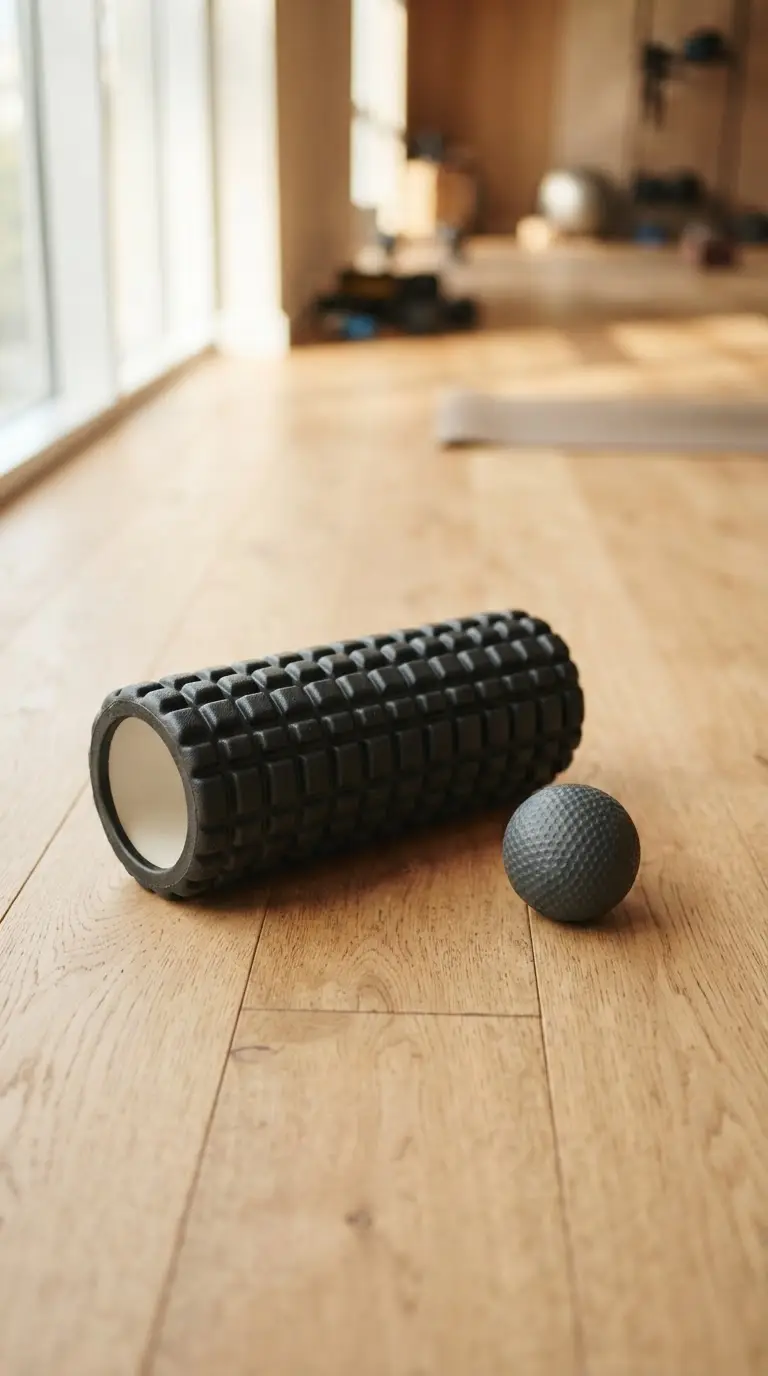
AI-generated editorial illustration; not a product or test photograph.
Short answer
For most users, the TriggerPoint Grid 1.0 is the gold standard due to its rigid hollow core and varied Distrodensity zones that target deep muscle knots effectively. If you prefer full-spine support or postural work, the 36-inch Amazon Basics High-Density Roller provides the length and stability required for full-back alignment and broad myofascial release.
6
Product listings discussed; not hands-on tests
6/6
Discussed listings with a recorded price
$10.79–$37.99
Recorded listing price range; not a complete setup cost
Key takeaways
High-density foam rollers made from EPP or EVA provide superior structural longevity compared to soft, open-cell alternatives.
Textured surface patterns are essential for isolating trigger points, whereas smooth surfaces offer consistent, broad-pressure compression.
Hollow-core designs effectively prevent the center-sagging common in budget rollers, ensuring consistent performance for years.
Full-length 36-inch rollers are necessary for full-spine support and postural stretches that smaller rollers cannot perform.
Manual rollers offer a silent, zero-maintenance recovery solution that avoids the mechanical noise and battery issues of massage guns.
Products discussed in this article
Editorial scores and recorded prices are reference points, not measurements of suitability for every use. Read each review's specifications and limitations.
Selecting the appropriate foam density is the foundational step in your recovery routine. Rollers typically fall into three categories: soft, medium, and firm. Expanded Polypropylene (EPP) and Ethylene-Vinyl Acetate (EVA) are the materials of choice for most high-quality rollers. The Amazon Basics High Density Foam Roller uses a rigid construction that does not deform, making it ideal for those who need an unyielding surface to drive pressure into dense fascia. Conversely, medium-density models like the 321 STRONG Patented 3-Zone Massage Roller provide a slight amount of give, which is beneficial for users who find extra-firm surfaces too aggressive or painful.
Firm/Extra Firm: Best for experienced users requiring deep, precise pressure without material collapse.
Medium Density: Ideal for daily maintenance and sensitive muscle groups that need compression without bruising.
Soft/Low Density: Generally avoided for back work as they compress too easily to provide effective fascial shear.
Density is not just about discomfort; it dictates how deeply the tool interacts with your muscles. A roller that is too soft will simply flatten against your body weight, providing superficial stimulation rather than the therapeutic release you expect. By choosing a material with consistent structural rigidity, such as the EVA-wrapped core found in The Original Body Roller, you ensure that every session delivers the required compressive force. Understanding the role of these materials helps you achieve better mobility over time. For a deeper dive into how different recovery tools compare, explore our buying tips for recovery tools.
The primary cause of failure in budget recovery gear is structural fatigue. Solid foam cylinders, particularly those made from low-grade polyethylene, often collapse into oval shapes within months of regular use. Once the cylinder loses its perfect circle, it fails to provide the consistent mechanical resistance needed for myofascial release. The TriggerPoint Grid 1.0 addresses this by incorporating a hollow plastic core that remains perfectly cylindrical regardless of your body weight. This engineering allows for a lighter tool that maintains its structural shape indefinitely, making it a reliable partner for deep tissue back pain relief routines.
Core Integrity: The hardened internal tube acts as a skeleton, preventing the foam from bottoming out.
Consistent Pressure: You receive the same intensity on the 1,000th session as you did on the first.
Weight Optimization: The hollow design reduces the total mass of the tool without sacrificing its ability to support full body weight.
While hollow-core rollers represent a higher initial investment than basic, solid molded cylinders, they eliminate the cycle of replacement that plagues cheap alternatives. This makes them a more cost-effective solution for anyone committed to daily athletic maintenance. Furthermore, the TriggerPoint Performance Therapy Grid adds specialized surface zones on top of this rigid foundation, providing a level of versatility that is simply impossible to replicate with basic solid-molded polyethylene rollers. When you compare products with these factors in mind, it becomes clear that structural longevity is just as important as the purchase price.
For knots that a roller cannot isolate—such as those in the trapezius or between the shoulder blades—a Kieba lacrosse ball provides the dense, pinpoint pressure required to release stubborn adhesions.
Targeted Trigger Points vs. Broad Myofascial Compression
Your choice of surface texture is just as vital as the density of the foam. Smooth rollers like the Amazon Basics 36-inch model provide a consistent, broad base of compression. These are excellent for large muscle groups and full-body postural work, particularly when you want to lie along the roller to improve thoracic mobility. However, they struggle to isolate tight, localized knots. If your back pain is centered around specific adhesions in the rhomboids or lats, you need a roller with surface geometries that concentrate pressure into smaller, more intense contact areas.
Smooth Surfaces: Distribute force evenly, ideal for beginners and full-spine decompression stretches.
Textured/Grid Patterns: Create shear force by using varied heights, simulating the effect of finger and palm pressure.
Trigger-Point Ridges: Specifically designed to penetrate deep into dense tissue to release concentrated muscle knots.
If you find yourself rolling for several minutes without feeling relief, it may be a sign that your surface is not applying enough concentrated force. Textured rollers work by creating friction and pressure variations that force the muscle tissue to adapt and release tension. The 321 STRONG 3-Zone Roller uses palm, finger, and thumb zones to offer varied intensities as you rotate your body. It is a common recovery mistake to ignore surface texture, as it is the primary mechanism by which a manual tool distinguishes itself from a simple rolling pin. Always remember to review our recovery tools FAQ to understand how different textures interact with specific muscle groups safely.
The Acoustic and Maintenance Advantage of Manual Tools
One of the most underappreciated benefits of manual foam rollers is their silent operation. In an era where motorized percussion massagers are popular, manual tools continue to lead in environments where noise sensitivity is a concern. Whether you are in an apartment, a shared office, or performing recovery routines late at night while others are sleeping, a roller generates exactly zero decibels. This provides a significant advantage over even the quietest massage guns, which always introduce some degree of motor drone or rattling noise. Moreover, manual rollers are completely immune to the electronic failures that frequently plague budget-tier recovery devices.
Zero Noise: Allows for therapeutic recovery at any hour without disrupting the household.
No Maintenance: No charging cables to manage, batteries to replace, or motors to overheat.
Portability: These tools can be thrown in a gym bag or carried through airport security without any electronic component issues.
If you are wondering if you should buy a massage gun or stick to a manual roller, consider that you are in total control of the force application. You cannot "stall" a foam roller, and it will never run out of power mid-session. For anyone seeking a reliable, "always-ready" recovery tool, a manual roller remains the most consistent performer. For those interested in deeper, more focused work, we recommend pairing your roller with a pair of solid rubber lacrosse balls, such as the Kieba Massage Balls, which allow you to achieve precision that no motorized device can replicate. Keeping your recovery kit focused on high-utility manual tools ensures you have a reliable system for muscle tension regardless of power availability.
Never roll your spine directly. Instead, position the roller to target the thick muscles adjacent to the vertebrae (erector spinae). Rolling directly over bone can cause irritation and inflammation.
Value-Oriented Recovery for Every Athlete
Building a recovery toolkit does not require thousands of dollars in pneumatic equipment or professional percussion hardware. A high-density foam roller provides nearly the same therapeutic outcome for the vast majority of common back stiffness and post-exercise soreness issues. When you use a budget planner, it becomes clear that spending more on expensive hardware often provides diminishing returns compared to mastering manual techniques. A high-quality manual roller is a one-time purchase that typically lasts for thousands of sessions. In contrast, even the best percussion guns have moving parts that will eventually wear out or require battery replacements.
Cost-to-Utility: Manual rollers offer the highest therapeutic return for the lowest possible price.
Durability: By investing in EPP construction, you avoid recurring replacement costs.
Simplicity: The focus remains on the user's technique and body positioning, which is the most sustainable way to manage muscle health.
When you review the Amazon Basics 12-inch Foam Roller, you are looking at the absolute baseline for entry-level recovery. At roughly ten dollars, it is an incredibly accessible entry point that fulfills the basic necessity of myofascial release. However, don't feel pressured to buy the most expensive option. Even if you decide to add a percussive tool later, your foam roller will remain a core element of your routine. It is the perfect tool for the initial 'flush' of muscles before you move into more targeted, high-intensity work. Always check the official recovery tool category to compare prices and features before committing your budget to more complex equipment that may not provide the simplicity you need.
Foam rollers are exposed to sweat, dead skin, and floor dust during every session. If left uncleaned, this buildup can turn your recovery tool into a harbor for bacteria and grime. Because most rollers are constructed from closed-cell EVA or EPP, they are naturally moisture-resistant, making them easy to maintain. However, you must avoid aggressive chemical cleaners, which can cause the foam to prematurely dry out or crack. A simple wipe-down with a damp cloth after each session is usually sufficient to keep the surface safe and clean.
Routine Sanitization: Use a mixture of water and mild dish soap to clear off surface oils.
Drying: Always let the roller air dry fully before storing it in a closed space or gym bag.
Inspection: Check the roller annually for deep fissures or permanent indentations that might indicate it has reached the end of its functional life.
Proper maintenance extends the lifespan of your equipment significantly. For smooth rollers like the Amazon Basics High-Density model, keeping the surface clean is especially critical to ensure it doesn't become slippery during use. Slippage can lead to poor form, which is a significant recovery tool mistake that you want to avoid at all costs. While rollers do not require the technical cleaning protocols of heated massage guns, their cleanliness directly impacts your comfort. Treat your recovery tools with the same care you treat your workout gear, and they will provide consistent results throughout your entire fitness journey. If you are ever in doubt about how to clean a specific material, check the manufacturer's guidance provided on the product label or our linked product pages.
If you are tall, the 36-inch Amazon Basics roller is the only option that will support your entire back, allowing for a neutral spine during pectoral and lat openers.
Step by step
1Place your foam roller on a flat, stable surface, preferably on a yoga mat.
2Sit on the floor with your back facing the roller.
3Lean back slowly until the roller is positioned horizontally beneath your middle back.
4Support your upper body by placing your hands behind your head or crossed over your chest.
5Lift your hips slightly to engage your core and maintain pressure on the roller.
6Move slowly, rolling between the mid-back and shoulder blades.
7Pause for 30 seconds on any area where you feel increased tension.
8Return to a sitting position slowly once the session is complete.
Quick checklist
Verify your desired firmness level before purchase.
Choose length based on whether you need storage portability or full-back spinal support.
Select a textured pattern if you need to target specific trigger points rather than broad muscle groups.
Confirm a hollow-core construction for daily use to prevent the roller from flattening.
Measure your floor storage space to ensure the length fits conveniently.
Clean the surface regularly with mild soap and water to ensure longevity.
How long should I use a foam roller for back pain?
A typical session should last 5 to 10 minutes. Focus on slow, deliberate movements rather than rapid rolling. Spend 30 to 60 seconds on identified tight spots to encourage muscle release, as this is more effective for fascial tension than quick, repetitive motion across large areas.
Are textured rollers more effective than smooth ones?
Textured rollers are designed for deep, focused work on specific muscle knots. Smooth rollers provide broad, even pressure, which is ideal for general recovery and postural alignment. Neither is inherently "better," but textured rollers are generally preferred for active athletes dealing with specific muscle adhesions.
Can foam rolling cause bruising?
Yes, if the density is too high or you apply excessive pressure on sensitive areas. If you notice bruising, switch to a medium-density foam roller and reduce the amount of body weight you apply. Always avoid rolling directly over inflamed or injured joints.
Is a foam roller a substitute for a physical therapist?
No. While foam rollers are excellent self-care tools for daily maintenance and general soreness, they do not replace the clinical diagnosis and personalized treatment plans provided by a physical therapist for specific injuries or chronic pain conditions.
Do I need to replace my foam roller?
Yes, if it loses its shape, develops permanent indentations, or becomes visibly damaged. High-density hollow-core rollers, such as the TriggerPoint Grid, typically last much longer than solid-core polyethylene options, but all recovery gear eventually experiences material fatigue after thousands of cycles.
Can I use a foam roller directly on my spine?
No. Always target the soft tissue on either side of the spinal column (the erector spinae). Rolling directly over the bony segments of your spine can lead to excessive irritation and is generally discouraged by recovery experts.
Amazon links are affiliate links; we may earn a commission at no cost to you.
Shortlists in this category
Ranked lists from our massage guns & recovery tools reviews, limited to listings whose titles confirm the product type, with budget cuts where enough recorded prices sit on both sides of the line.
This page summarizes our research reviews of Amazon listings, listed specifications and captured buyer ratings. It is not a hands-on test. Scores are editorial assessments, not measured performance; prices are recorded snapshots and may change. A category can include both main products and accessories, so its overall price range is not the cost of a complete setup.
Most recent product record update: September 29, 2026. Individual records may be older; this is not a verification date for every claim. Prices on this page were read from the listings Nov 8, 2026 – Nov 11, 2026.
Compare the same kind of massage guns & recovery tools
Choose the product type first. These groups require a match in the listing title; an import search term alone is not enough. Scores rank our recorded research assessments within each group, not independently measured performance.
Values are shown as recorded, without unit conversions or inferred compatibility. Not recorded means unknown, not absent. Prices are snapshots, not current offers. Editorial scores are research judgments, not lab results. Amazon links are affiliate links.
Before treating a comparison as complete
Which details are still unknown?
A specification appearing in a listing is not independent verification. These counts show which shortlisted records contain the same field; a blank record does not mean the product lacks the feature.
Included Components
Recorded for 2 of 2 shortlisted models
Present in every shortlisted record. Check units, exact variants and the current manufacturer documentation before relying on it.
Item Dimensions
Recorded for 2 of 2 shortlisted models
Present in every shortlisted record. Check units, exact variants and the current manufacturer documentation before relying on it.
Item Weight
Recorded for 2 of 2 shortlisted models
Present in every shortlisted record. Check units, exact variants and the current manufacturer documentation before relying on it.
Item Diameter
Recorded for 2 of 2 shortlisted models
Present in every shortlisted record. Check units, exact variants and the current manufacturer documentation before relying on it.
Item Firmness Description
Recorded for 2 of 2 shortlisted models
Present in every shortlisted record. Check units, exact variants and the current manufacturer documentation before relying on it.
Item Nype Name
Recorded for 2 of 2 shortlisted models
Present in every shortlisted record. Check units, exact variants and the current manufacturer documentation before relying on it.
Compare documented amplitude, force settings and instructions; these specifications do not establish a medical benefit or suitability for an injury.
Noise level decides whether you actually use it at night.
Compression boots need chamber count and pressure control.
If a specification, certification or compatibility detail is absent, mark it as unknown and ask the seller or manufacturer. Do not substitute a star rating, an editorial score or a different model's specification.