Does Foam Rolling Work? Myofascial Recovery Explained
We examine the effectiveness of foam rolling for myofascial release, comparing manual compression against percussive tools and recovery hardware.
By the Niche Picks editorsUpdated November 9, 20269 min readDrawn from our 33 research-based massage guns & recovery tools reviews
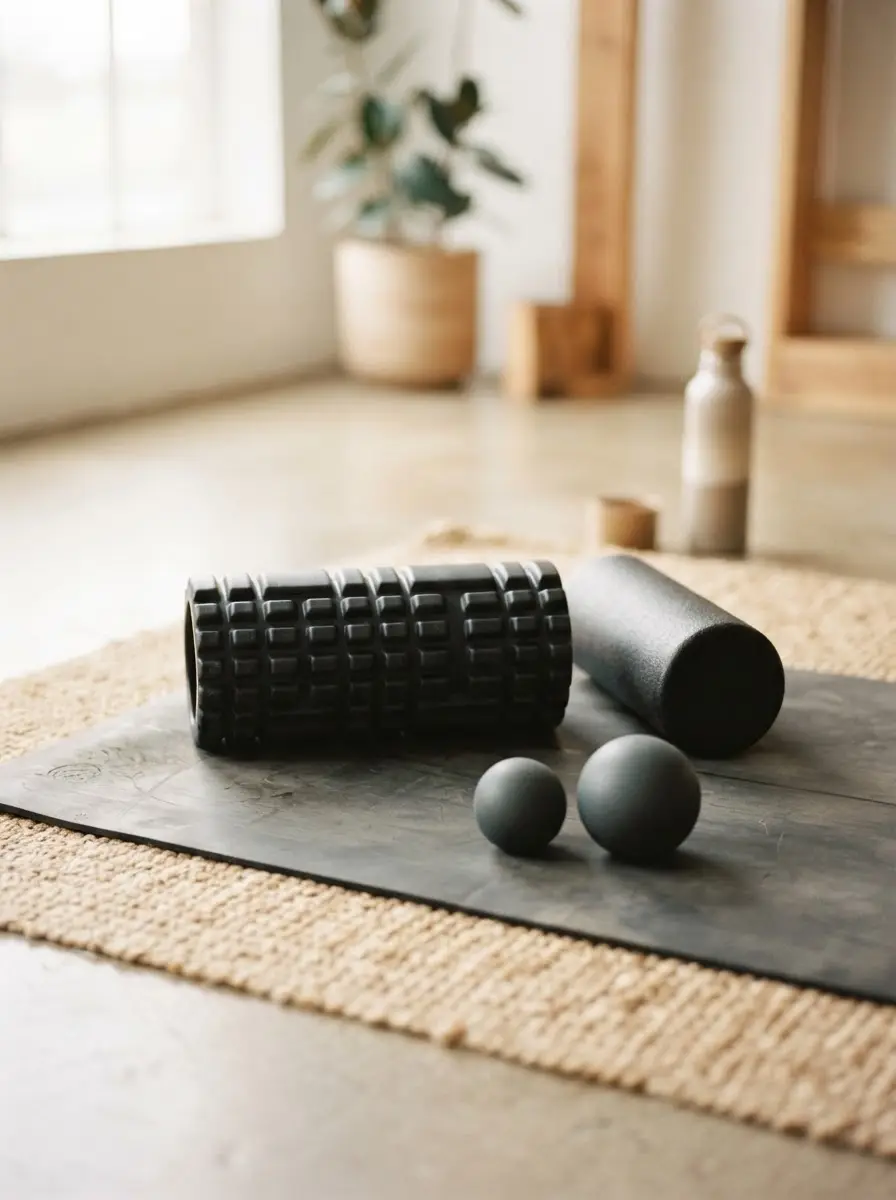
AI-generated editorial illustration; not a product or test photograph.
Short answer
Foam rolling is a highly effective, low-cost method for self-myofascial release that uses gravitational body weight to provide deep, sustained compression to muscle tissue. By performing slow, controlled strokes across the muscle belly, you can improve localized blood circulation and target chronic adhesions without the mechanical limitations or acoustic noise of motorized massage guns.
6
Product listings discussed; not hands-on tests
6/6
Discussed listings with a recorded price
$7.99–$359.99
Recorded listing price range; not a complete setup cost
Key takeaways
Foam rollers rely entirely on body weight, providing consistent pressure that doesn't suffer from the stall-force limits found in many affordable percussion guns.
Manual rollers are completely silent and require no battery maintenance, making them ideal for consistent daily recovery without mechanical failure points.
Textured rollers like the TriggerPoint Grid 1.0 help simulate the targeted pressure of a massage therapist's fingers, which standard smooth cylinders cannot replicate.
Consistency and slow movement are more vital to effective recovery than the specific brand or high-tech features of the roller itself.
Combining foam rolling with targeted tools like lacrosse balls allows you to reach small trigger points in the glutes and rhomboids more effectively.
Products discussed in this article
Editorial scores and recorded prices are reference points, not measurements of suitability for every use. Read each review's specifications and limitations.
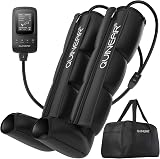
QUINEAR Air Compression Recovery System, Professional$359.99
Medcursor Massage Gun - High Intensity Brushless$33.99
Core physical properties of reviewed recovery rollers
Product
Core Material
Firmness
Primary Benefit
Amazon Basics 18"
Polypropylene
Firm
Broad-spectrum compression
TriggerPoint Grid
Rigid Plastic
Extra Firm
Trigger point accuracy
321 STRONG
EVA/EPP Core
Medium
Versatile surface mapping
Kieba Balls
Solid Rubber
Extra Firm
Pinpoint knot isolation
The Science and Mechanism of Foam Rolling
Foam rolling operates as a form of self-myofascial release, a technique designed to manage soft tissue tension through sustained compression. Unlike a massage gun, which uses rapid oscillation to stimulate muscles, a foam roller applies direct, static force. This pressure is governed by your own body weight, ensuring that the force remains constant and deep, bypassing the stall force issues that plague many budget-tier percussive devices. By moving slowly over the muscle belly, you create shear forces that may help mobilize fascial layers, potentially improving range of motion and temporary blood flow to the targeted area. As documented in our how-to guide, the key is applying pressure to fleshy muscle groups while avoiding bone or joint surfaces to prevent bruising.
It serves as a mechanical, battery-free alternative for deep tissue maintenance.
The intensity is self-regulated based on how much mass you place on the tool.
The practice is highly effective for addressing tightness in the quads, hamstrings, and calves.
Because the Amazon Basics High Density Foam Roller is constructed from solid polypropylene, it is exceptionally durable and offers a stable platform for large muscle work. Unlike lower-grade open-cell foams, this solid core will not permanently deform, ensuring you get consistent feedback over years of use. For individuals new to this recovery method, our mistakes to avoid section clarifies how to safely transition from superficial rolling to deeper myofascial work, emphasizing that recovery should be a steady process rather than an aggressive fight against your muscles.
Selecting Your Tool: Smooth Versus Textured Surfaces
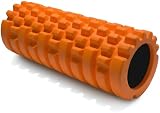
The choice between a smooth or textured roller impacts your ability to isolate specific muscle knots. Smooth, high-density cylinders like the standard Amazon Basics provide uniform, broad-surface pressure. This is often the preferred starting point for beginners or those who find intense, localized nodules uncomfortable. In contrast, textured rollers like the TriggerPoint Grid 1.0 utilize variable surface zones to mimic human touch. These ridges simulate finger and palm pressure, which allows for more specific targeting of trigger points that a flat roller might roll right over without addressing effectively.
Smooth rollers are superior for wide-area flushing, such as working the entire IT band.
Textured rollers offer concentrated pressure for breaking up stubborn localized adhesions.
The 321 STRONG 3-Zone Roller offers a middle-ground solution with patterns for both broad and pinpoint contact.
Beyond surface texture, you must consider the footprint of your roller. A 13-inch tool fits neatly into a gym bag, making it excellent for on-the-go recovery, while a 36-inch model provides the stability needed for longitudinal spine support and chest-opening stretches. According to our buyer's guide, material longevity is a key value factor; tools featuring hollow, rigid plastic cores or dense EVA foam resist the compression-fatigue that eventually softens basic polyethylene cylinders. If you are specifically targeting the back, reading through our expert review of foam rollers for back pain can help you decide which diameter and material will provide the safest, most effective structural support for your particular mobility goals.
When starting a new routine, spend 30 seconds per muscle group using light pressure. Your fascia needs time to adapt to the stimulus before you increase the depth or intensity.
Foam Rolling vs. Percussive and Pneumatic Recovery
While percussion guns have gained significant traction for their ability to provide high-frequency vibration, they do not replace the unique benefits of manual foam rolling. Massage guns are excellent for superficial tissue activation and stimulating blood flow to large muscle groups; however, they require batteries, charging intervals, and can fail if their motors are underpowered, as noted in our FAQ on massage guns. Pneumatic compression boots, such as the QUINEAR Air Compression System, offer a different recovery modality by using sequential air chambers to assist with venous return, which is particularly useful for endurance athletes who need full-leg fluid flushing rather than localized knot release. Foam rolling remains the most reliable, lowest-barrier-to-entry solution for daily fascial maintenance because it requires zero electronic upkeep.
Percussion guns are best for surface-level muscle activation before or after workouts.
Pneumatic boots provide passive, hands-free circulation support for heavy legs.
Foam rollers provide the best manual control for deep, focused myofascial shear.
For most athletes, a multi-modal approach is the most efficient use of resources. You might use a Medcursor massage gun for a rapid, three-minute warm-up session and finish with ten minutes of static foam rolling to address deep tension. The cost-to-utility ratio for foam rollers is substantially higher than electronic devices because they rarely degrade or require expensive replacements. When you evaluate your budget planning, prioritize the mechanical basics—a high-quality roller and perhaps a pair of Kieba Lacrosse Balls—before investing in high-end motorized hardware, as these fundamental tools are often enough to handle 90% of typical athletic soreness.
The effectiveness of your foam rolling session is not measured by the speed or the number of repetitions, but by the quality of the pressure and your ability to relax the muscle underneath the tool. If you roll too quickly, your nervous system may interpret the stimulus as an attack rather than an aid, causing the muscle to tense up and fight the roller. Instead, aim for a slow, rhythmic pace—no faster than one inch per second. When you encounter a tender spot, pause for 20 to 30 seconds and focus on deep breathing. This process, often referred to as 'breath-led release,' helps you signal to your body that it is safe to relax the surrounding fibers.
Aim for 10-15 minutes of rolling per session, 3-5 times a week.
Breathe deeply during every pause to encourage the release of deep tension.
Shift your hips or shoulders slightly to change the angle of the pressure.
It is essential to stay consistent rather than attempting to 'fix' a muscle problem with one long, punishing hour of rolling, which often leads to skin irritation or inflammation. If you find your reach limited when attempting to stretch or roll your own limbs, incorporating stretching straps can help bridge the gap, allowing you to hold positions that would otherwise be difficult to maintain. Finally, remember that recovery includes hydration and adequate sleep; foam rolling is a tool to support your body's natural processes, not a replacement for them. Refer to our tips for better recovery for a more holistic view of how simple daily habits enhance the effectiveness of your mechanical myofascial work.
Stay off your lower back's lumbar spine, joints, and bony protrusions. Focus only on the fleshy muscle mass to avoid risking nerve irritation or internal bruising.
Addressing Common Misconceptions About Rolling
A recurring question is whether foam rolling can eliminate cellulite or fix chronic structural injuries. It is critical to manage expectations: foam rolling is an excellent tool for muscle recovery, managing soreness, and temporary mobility improvements, but it does not change the structural composition of the skin or underlying fat deposits. Similarly, while rolling can significantly improve comfort and mobility around an injury site, it is not a primary medical treatment for rehabilitation. Always defer to professional physical therapy for diagnostic protocols and injury-specific rehabilitation plans. Using a tool like The Original Body Roller provides a great surface for daily circulation, but it should not be viewed as a substitute for active strengthening or professional medical care.
Rolling helps with soreness; it is not a medical cure for injury.
It improves blood flow but does not permanently erase aesthetic concerns like cellulite.
Always consult with a professional if you are dealing with chronic, sharp pain.
Another frequent mistake is applying excessive pressure on sensitive areas. If you feel pain that radiates, numbs, or remains sharp, you are likely hitting a nerve or a ligament rather than a muscle knot. The goal is to move the fascia—the web of connective tissue that wraps our muscles—not to cause bruising. For beginners, starting with a medium-density tool is a safer strategy than immediately jumping to extra-firm or nodular models that might prove too aggressive. By prioritizing safe, controlled pressure, you ensure that your recovery tools remain beneficial assets rather than contributors to fatigue or soreness.
Maintaining your recovery tools is a minor but significant part of their overall value. Most high-density foam rollers made from EPP or EVA foam are non-porous and can be easily wiped down with a damp cloth and mild soap. This is essential for gym-goers who take their equipment into shared spaces. Avoid using harsh chemical solvents, which can degrade the integrity of the foam over time. Because many rollers—especially those from brands like TriggerPoint—are built with hollow structural cores, they are surprisingly resilient, but they are not entirely immune to damage. Keep your roller out of direct, prolonged UV sunlight, which can cause polymers to become brittle and crack.
Wipe down your roller after every session to prevent bacteria build-up.
Store your roller indoors, away from extreme heat and direct sunlight.
Periodically inspect the seams for delamination if using a multi-layered or grid-patterned unit.
Mechanical recovery tools are a long-term investment. While a $15.00 roller seems like a small purchase, it can provide years of daily relief if handled correctly. The main indicators of a worn-out roller are visible 'flattening' of the cylinder, cracks in the outer skin, or a noticeable loss of structural firmness that prevents it from effectively digging into your muscle knots. If you notice these symptoms, it is likely time for a replacement. By choosing models with reputable track records and durable builds, you ensure that your recovery kit stays ready for your next training cycle, maintaining the necessary pressure and geometry required for consistent, effective myofascial care. Our FAQ on recovery tools provides further insights into when to retire your gear and how to spot common wear patterns before they impact your session quality.
Wipe your foam roller with a damp cloth after each session. Sweat and floor dust can accumulate in the ridges of textured rollers, potentially causing skin breakouts.
Step by step
1Place your foam roller on a stable, non-slip surface, like an exercise mat.
2Position your target muscle directly over the center of the roller.
3Apply enough body weight to feel deep pressure, using your feet or arms for balance.
4Move very slowly across the muscle belly, pausing on knots for up to 30 seconds.
5Focus on deep, steady breathing to help the muscle relax against the resistance.
6Rotate your limb slightly to hit different angles of the fascial tissue.
7Repeat the process for 10-15 minutes, ensuring you cover both sides of the body.
Quick checklist
Identify if you need broad compression (smooth) or pinpoint knot release (balls/grid).
Select a high-density material or hollow-core design to prevent future sagging.
Measure your space: compact models are better for travel, longer ones for spinal support.
Ensure your recovery space is clear and allows for full-body extension.
Choose a non-slip mat surface to keep the roller from sliding during use.
Plan for consistent, short sessions rather than one-off, high-intensity treatments.
Hydrate properly before and after your recovery routine to support tissue health.
Frequently asked questions
Can I use a foam roller every day?
Yes, daily use is generally safe and encouraged if it helps manage soreness. The key is to keep sessions focused and gentle. If your muscles feel tender or bruised, skip a day to allow for tissue recovery.
What does a 'good' type of pain feel like?
Effective foam rolling often feels like a deep massage—it should be intense and slightly uncomfortable, but never sharp, shooting, or burning. If you feel any sharp pain or notice numbness, you are likely compressing a nerve and should adjust your position.
Should I roll before or after my workout?
You can do both. Pre-workout rolling should be brief and dynamic to increase blood flow and prepare your muscles. Post-workout rolling can be slower and more sustained, focusing on relaxing deep-seated tension and tightness.
How do I know when my foam roller is worn out?
A worn-out roller will often look visibly flattened or warped, or it will feel significantly softer than it did when it was new. If the cylinder no longer provides adequate resistance or develops deep cracks, it's time to replace it to maintain effective pressure.
Is a textured roller better than a smooth one?
Not necessarily; they serve different purposes. Smooth rollers are ideal for general maintenance and sensitive users. Textured rollers are designed to concentrate pressure for specific trigger points. Choosing depends on your personal sensitivity and the type of muscle knots you typically experience.
Amazon links are affiliate links; we may earn a commission at no cost to you.
Shortlists in this category
Ranked lists from our massage guns & recovery tools reviews, limited to listings whose titles confirm the product type, with budget cuts where enough recorded prices sit on both sides of the line.
This page summarizes our research reviews of Amazon listings, listed specifications and captured buyer ratings. It is not a hands-on test. Scores are editorial assessments, not measured performance; prices are recorded snapshots and may change. A category can include both main products and accessories, so its overall price range is not the cost of a complete setup.
Most recent product record update: September 29, 2026. Individual records may be older; this is not a verification date for every claim. Prices on this page were read from the listings Nov 8, 2026.
Compare the same kind of massage guns & recovery tools
Choose the product type first. These groups require a match in the listing title; an import search term alone is not enough. Scores rank our recorded research assessments within each group, not independently measured performance.
Values are shown as recorded, without unit conversions or inferred compatibility. Not recorded means unknown, not absent. Prices are snapshots, not current offers. Editorial scores are research judgments, not lab results. Amazon links are affiliate links.
Compare documented amplitude, force settings and instructions; these specifications do not establish a medical benefit or suitability for an injury.
Noise level decides whether you actually use it at night.
Compression boots need chamber count and pressure control.
If a specification, certification or compatibility detail is absent, mark it as unknown and ask the seller or manufacturer. Do not substitute a star rating, an editorial score or a different model's specification.