Hardside vs. Softside Carry-On Luggage: How to Choose
We compare hardside versus softside luggage to help you select the right build for your travel style and ensure you meet 2026 airline size requirements.
By the Niche Picks editorsUpdated November 11, 202610 min readDrawn from our 31 research-based travel gear & luggage reviews
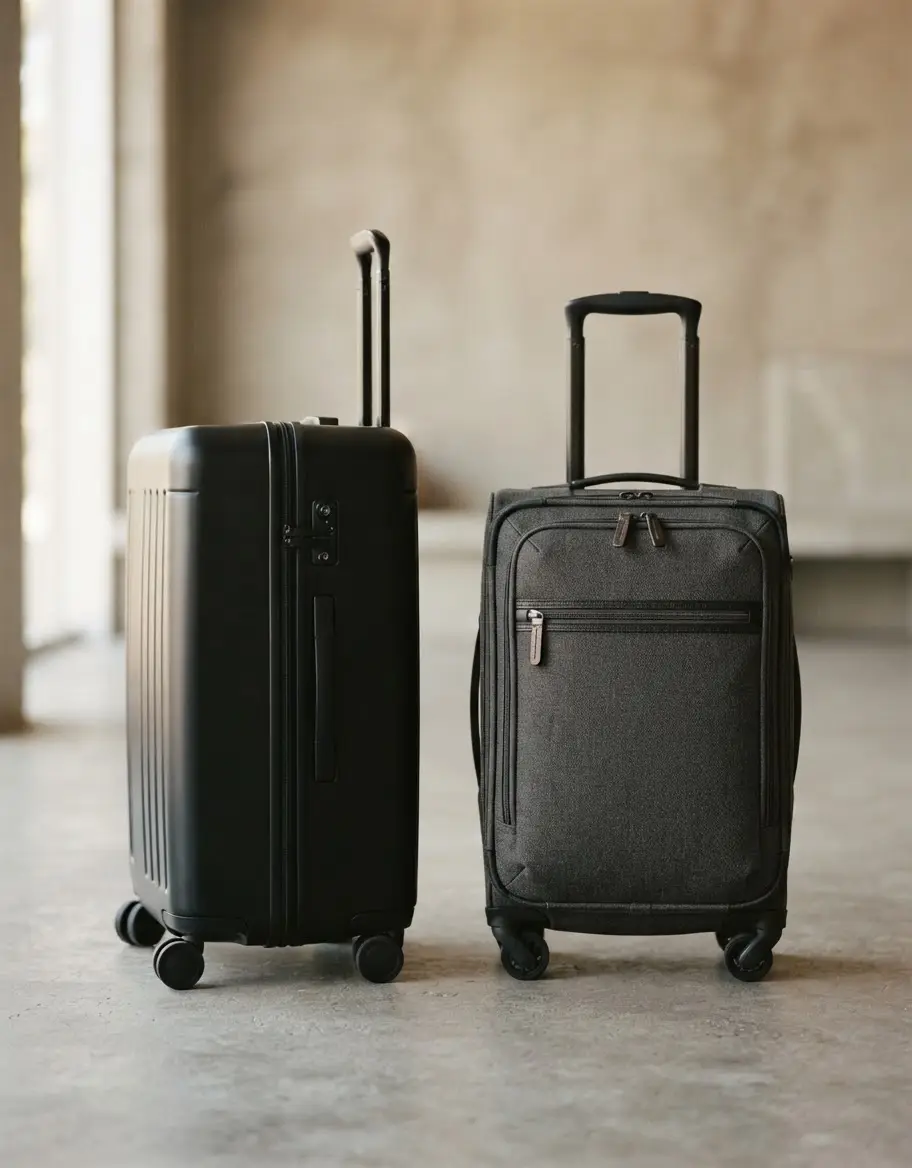
AI-generated editorial illustration; not a product or test photograph.
Short answer
Hardside luggage offers superior impact protection and is ideal for safeguarding delicate items, while softside bags provide flexible capacity and external pockets for superior organization. Your choice should depend on whether you prioritize shell resilience against gate-check impact or the convenience of soft, compressible dimensions for tight overhead bins.
6
Product listings discussed; not hands-on tests
5/6
Discussed listings with a recorded price
$23.99–$148.49
Recorded listing price range; not a complete setup cost
Key takeaways
Polycarbonate hardside cases provide significantly better crack resistance than entry-level ABS models.
Softside luggage is often more forgiving in tight overhead bins due to its flexible exterior frame.
Serviceable, bolt-on wheel assemblies are more critical for long-term durability than shell brand alone.
Always measure your luggage's total dimensions including wheels and handles to ensure compliance with carrier sizers.
Products discussed in this article
Editorial scores and recorded prices are reference points, not measurements of suitability for every use. Read each review's specifications and limitations.
Omni PC Hardside Expandable Luggage with Spinner$100.10
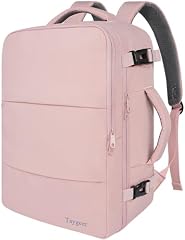
Travel Backpack for Women, TSA Carry On Backpack$23.99
Chicago Hardside Expandable Spinner Luggage, Purple$58.99
Comparison of reviewed carry-on luggage options.
Product
Material
Type
Weight
Best For
Freeform
Polycarbonate
Hardside
6.5 lbs
Frequent flyers
Maxlite 5
Polyester
Softside
5.3 lbs
Frequent flyers
Omni PC
Polycarbonate
Hardside
6.1 lbs
Durable value
Sion
Polyester
Softside
9 lbs
Occasional
Travel Backpack
Polyester
Softside
1.7 lbs
Under-seat
Chicago
ABS
Hardside
5.6 lbs
Budget
Material Science: Hardside vs. Softside Luggage
The choice between hardside and softside luggage is primarily a decision between impact protection and organizational flexibility. Hardside suitcases, like the Freeform Hardside Carry-On, typically utilize polycarbonate or ABS plastic. Polycarbonate is favored by frequent travelers because it possesses high tensile strength and elasticity; it flexes under pressure rather than shattering. In contrast, budget-tier hardshells often use ABS plastic, which becomes brittle in sub-zero cargo holds and is prone to permanent cracking when dropped. If you are packing fragile items or expensive electronics, the rigid structure of a high-quality polycarbonate case provides a protective barrier that soft fabric cannot offer.
Softside luggage, such as the Maxlite 5 Softside Spinner, relies on woven textiles like high-denier polyester or nylon. These materials absorb impact by compressing rather than shattering, making them immune to the 'brittle-snap' failure mode common in cheap plastics. Furthermore, softside bags offer an architectural advantage: their walls can bulge slightly or be compressed to squeeze into crowded overhead bins. This flexibility is invaluable for travelers on smaller regional jets where cabin space is at a premium. However, fabric bags provide less crush protection, meaning your items inside are more vulnerable to external pressure. For those who frequently switch between these types, reading our travel gear and luggage guide provides deeper context on how these materials endure various transit environments. Whether you choose the rigid structure of a shell or the versatility of fabric, the longevity of your investment will ultimately depend on the quality of the zippers and the reinforcement of the seams rather than the shell material alone.
While marketing materials often emphasize the 'toughness' of a specific shell, savvy travelers understand that durability is defined by component integrity rather than just the exterior material. As noted in our luggage buying tips, a glossy, scratch-resistant finish is often just a thin layer of texturing that masks the underlying plastic quality. A truly durable hardshell, such as the Omni PC Hardside Carry-On, uses 100% polycarbonate to ensure it survives the mechanical stresses of baggage handling. However, the most frequent failure point on any roller is the wheel assembly.
When inspecting a potential purchase, avoid models with riveted wheel casters. These are non-serviceable; if the axle bends or the wheel cracks on a terminal curb, you have no recourse for repair. Instead, prioritize designs with modular, screw-mounted wheels that can be swapped out with basic tools. This is a recurring theme in our analysis of how to avoid luggage mistakes. Softside luggage often benefits from a molded bottom-tray design that houses wheels more securely, reducing their exposure to shearing forces. This design choice contributes significantly to the bag's total lifespan.
Furthermore, if you find your luggage feels flimsy, it may not be the shell material but the lack of an internal structural frame. High-end softside bags often include a bottom tray that adds stability without the weight of a full plastic shell. Always prioritize the manufacturer's warranty and check if the brand supports a repair network. A lifetime warranty that includes transit-related damage—often found in premium lines—is a clearer indicator of true durability than any label on the outside of the bag. A bag that survives ten years of travel is invariably one built for service, not just initial aesthetic appeal.
Look for modular, screw-mounted wheels. If a caster shears off during transit, a bolt-on design allows you to replace the wheel easily rather than discarding the entire suitcase.
Navigating Airline Carry-On Size Compliance
Dimensional compliance is the most common stress point for modern air travel. Airlines do not distinguish between the shell of your bag and the wheels; they measure the absolute physical footprint. A bag that is technically 21 inches but sits on four protruding spinner wheels may measure 23 inches in practice, leading to forced gate-checking. Before your next trip, review our 2026 size and compliance guide to understand the strict thresholds enforced by domestic carriers.
Softside options like the Sion Softside Expandable Spinner provide a unique advantage in this arena. Because they lack a rigid exterior frame, they can often be compressed if the bag is slightly over-packed. However, this is also a liability; it is very easy to overstuff a softside bag until it exceeds the 9-inch depth limit required by many airlines. Hardside bags have a fixed volume, which imposes a 'hard' limit on how much you can carry, but they are more honest regarding their dimensions. If a hard carry-on doesn't fit in the sizer, you cannot force it, which prevents you from risking a gate-check fee at the last minute.
For those who prefer to keep their gear organized and maximize every inch, we suggest employing pro packing secrets to streamline your packing. When using hardshells, the fixed interior compartments are often best utilized with packing cubes to prevent items from shifting. For tech-heavy travelers, our breakdown of the best travel tech organizer pouches will help you reclaim interior volume. Remember, if you are traveling with a laptop, choosing a softside pack such as the Travel Backpack can be a clever way to meet personal item requirements while protecting your devices without the weight of a rolling frame.
Investing in luggage is a classic case of paying for durability upfront to avoid replacing gear later. Budget hardside cases priced under $50 frequently rely on basic ABS and low-grade zipper tracks designed for casual, rare travel. If you are a professional or frequent leisure flyer, the 'per-trip' cost of a cheap bag is high because it often fails within a few trips. By contrast, a mid-market or premium investment—as detailed in our best carry-on luggage picks—often pays for itself by lasting hundreds of flights.
Softside luggage holds up visually better than hardside options; fabric doesn't show scuffs and chips as glaringly as plastic, which maintains a professional appearance for longer. However, the true value of softside luggage is often found in features like external pockets, which allow you to store toiletries or boarding passes for immediate access. These conveniences are rarely found on premium hardshells, which prioritize a sleek, minimalist exterior. If you have a specific travel budget, use our budget planner to calculate whether a higher initial purchase price might save you from the expensive, recurring replacement cycle typical of entry-level gear.
Consider also the warranty coverage. Brands that offer 'trusted companion' promises or similar coverage for airline-inflicted damage represent the highest value, as baggage handlers are the primary threat to your investment. Even if you purchase a cheaper bag, understanding its limitations—such as the tendency for ABS to crack in the cold—allows you to modify your travel habits. For example, knowing your bag's weak spots might convince you to avoid gate-checking it at all costs. Ultimately, the best bag is the one that survives your most demanding trips; prioritizing serviceability and material quality is the most effective way to secure a high-performance travel partner.
Avoid ABS in the cold
If you are flying in winter, be aware that ABS plastic shells become brittle and are prone to cracking if forced into the cargo hold during a gate check.
Packing Strategies for Different Luggage Types
How you pack depends entirely on the chassis of your luggage. Hardside suitcases, especially those with a 50/50 split opening, are essentially two deep trays. This architecture is perfect for packing cubes, which serve as modular drawers. Because these shells do not expand, you should layer items using a flat-folding technique to maximize the fixed volume. If you are struggling with bulky clothing, compression organizers can help you reclaim internal volume, but be mindful of the weight limit as even the most organized bag can hit airline weight caps quickly. For those curious about the physics of packing, do compression packing cubes really save space? Understanding that these tools compress the air inside rather than the fabric density itself is key to optimizing your setup.
Softside luggage behaves differently. Because the main compartment is often a single deep cavity, the order of operations for packing is crucial. Heavier items should be placed at the bottom near the wheels to maintain a low center of gravity. When you use the expansion zipper on a softside bag, you dramatically increase its volume, but you also shift that center of gravity. This makes the bag prone to tipping over when standing upright in a terminal queue. We recommend using smaller, specialized organizers in the external pockets of your softside bag for quick-access items, reserving the main cavity for your heavy attire and secondary gear.
If you find your packing volume is insufficient, consider the layout of our best travel backpack picks as a reference point. Many of these utilize a clamshell design that provides the organizational benefits of a suitcase but with the comfort of a pack. Whether you use a roller or a backpack, the goal remains the same: efficient separation and weight distribution. By applying these organizational strategies, you can transition from an over-packed, chaotic suitcase to a streamlined kit that clears security efficiently.
Maintenance and Troubleshooting for Carry-Ons
Maintaining your luggage is a simple process if you identify the material before you start. For hardshell suitcases, surface scuffs are inevitable but rarely compromise structural integrity. A simple wipe-down with a damp cloth and mild soap is sufficient to keep the finish clean. Avoid using harsh chemical solvents, as these can react with the polycarbonate or ABS resin and potentially weaken the shell or degrade the protective UV coating. If you notice a small crack on an ABS case, it is generally a sign that the structural material is failing; while epoxy resins can patch a hairline crack, it will likely not hold under the tension of a full suitcase. This is why buying a resilient polycarbonate case like the Freeform Hardside Carry-On is a superior long-term strategy.
Softside bags require a different maintenance routine. If your fabric case uses a DWR (durable water repellent) coating, it will eventually lose its efficacy. You can purchase spray-on DWR treatments from outdoor retailers to restore the water-shedding properties of the polyester or nylon shell. Be sure to clean the zippers periodically with a soft brush to remove dust and grit; dirt in the zipper teeth is the primary cause of alignment issues and eventual zipper failure. If you encounter a stuck zipper, a small amount of graphite lubricant can often restore smooth motion.
Finally, always inspect the wheel assemblies after every third or fourth trip. If a wheel feels wobbly or the rotation is inconsistent, check the housing for debris like hair or thread that can bind the axle. If the problem persists, this is when modular, screw-mounted wheels become essential. By performing this quick, five-minute check, you extend the life of your gear substantially. Luggage is an investment in your travel freedom; treating it with basic care and proactive maintenance is a small price to pay to avoid the frustration of a broken bag in a foreign airport.
Engaging an expansion zipper on a 9-inch-deep bag often pushes the total footprint over airline limits. Only expand your bag if you are certain your airline permits the added depth.
Step by step
1Measure your bag's total exterior dimensions from the floor to the top of the retracted handle.
2Confirm the weight limit by weighing your empty bag; some models exceed 8 pounds, eating into your allowance.
3Pack your bag using organized compartments or packing cubes to avoid overstuffing.
4Identify the airline's current carry-on size threshold on their official website.
5Compare your bag’s dimensions against the thresholds and adjust your packing if you are over the limit.
6Ensure all essential items like passports and chargers are in a quick-access pocket or top-loading pouch.
Quick checklist
Verify the total dimensions (including wheels and handles) against your specific airline's carry-on policy.
Check if the wheel assemblies are modular and easily replaceable with basic tools.
Inspect the material: polycarbonate is more durable for hardshells; nylon is superior for softshells.
Determine if you need external pockets for quick-access items, which favors softside bags.
Review the warranty: look for coverage that includes airline-inflicted damage.
Test the handle's extension stops to ensure the height is comfortable for your arm length.
Frequently asked questions
Is hardside luggage better than softside?
It depends on your priorities. Hardside luggage is better for protecting delicate items and is easier to clean, while softside luggage is more flexible and typically offers external pockets for easier organization in tight cabin spaces.
Does hardside luggage crack easily?
Cheap ABS plastic hardside luggage is prone to cracking, especially in cold environments like airplane cargo holds. Polycarbonate hardside luggage is far more durable because it is engineered to flex and return to its original shape.
Why is it important to measure handles and wheels?
Airlines measure luggage based on the total physical footprint. If your bag's body is 21 inches, but the wheels and handles extend the total height to 23 inches, you may be forced to gate-check the bag, potentially resulting in extra fees.
Can I use compression packing cubes in both types?
Yes, compression packing cubes are excellent for both. In softside bags, they help you squeeze more into a flexible frame. In hardside bags, they help you keep your belongings neatly partitioned within the rigid, fixed volume.
Are spinners always better than two-wheel rollers?
Spinners are excellent for upright rolling on smooth airport floors, but they can be vulnerable to shearing if gate-checked. Two-wheel rollers (often called uprights) are more durable and usually have recessed wheels, making them better for rougher outdoor pavement.
Amazon links are affiliate links; we may earn a commission at no cost to you.
Shortlists in this category
Ranked lists from our travel gear & luggage reviews, limited to listings whose titles confirm the product type, with budget cuts where enough recorded prices sit on both sides of the line.
This page summarizes our research reviews of Amazon listings, listed specifications and captured buyer ratings. It is not a hands-on test. Scores are editorial assessments, not measured performance; prices are recorded snapshots and may change. A category can include both main products and accessories, so its overall price range is not the cost of a complete setup.
Most recent product record update: October 3, 2026. Individual records may be older; this is not a verification date for every claim. Prices on this page were read from the listings Nov 8, 2026 – Nov 13, 2026.
Choose the product type first. These groups require a match in the listing title; an import search term alone is not enough. Scores rank our recorded research assessments within each group, not independently measured performance.
Values are shown as recorded, without unit conversions or inferred compatibility. Not recorded means unknown, not absent. Prices are snapshots, not current offers. Editorial scores are research judgments, not lab results. Amazon links are affiliate links.
Before treating a comparison as complete
Which details are still unknown?
A specification appearing in a listing is not independent verification. These counts show which shortlisted records contain the same field; a blank record does not mean the product lacks the feature.
Capacity
Recorded for 2 of 2 shortlisted models
Present in every shortlisted record. Check units, exact variants and the current manufacturer documentation before relying on it.
Item Dimensions L x W x H
Recorded for 2 of 2 shortlisted models
Present in every shortlisted record. Check units, exact variants and the current manufacturer documentation before relying on it.
Item Weight
Recorded for 2 of 2 shortlisted models
Present in every shortlisted record. Check units, exact variants and the current manufacturer documentation before relying on it.
Material Type
Recorded for 2 of 2 shortlisted models
Present in every shortlisted record. Check units, exact variants and the current manufacturer documentation before relying on it.
Size
Recorded for 2 of 2 shortlisted models
Present in every shortlisted record. Check units, exact variants and the current manufacturer documentation before relying on it.
Check the airline's carry-on limits including wheels and handles.
Compare shell construction, repairability and warranty; material names alone do not guarantee impact resistance or a specific failure mode.
Serviceable wheels matter more than shell branding.
If a specification, certification or compatibility detail is absent, mark it as unknown and ask the seller or manufacturer. Do not substitute a star rating, an editorial score or a different model's specification.