Design and Build Quality
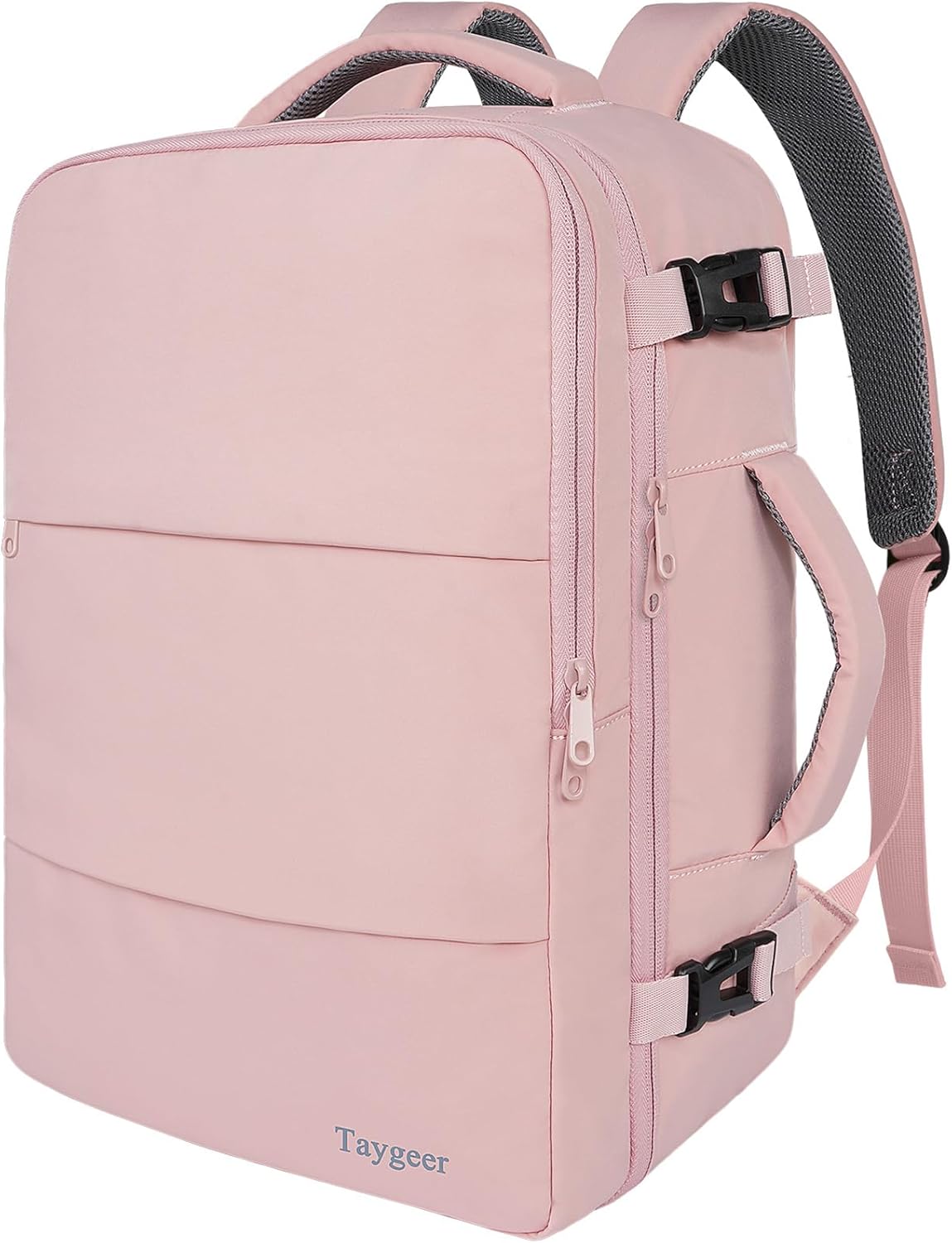
The pack is constructed from a water-resistant synthetic textile, weighing 0.79 kilograms (1.74 pounds) with outer measurements of 16.8 by 11 by 7 inches. The exterior styling is minimal, prioritizing function over technical rigidity. It lacks an internal frame, relying on the structural integrity of folded clothing and packed gear to maintain its rectangular profile. Dual grab handles, placed at the top and side, feature light foam padding to assist with extraction from overhead bins or vehicle trunks. The manufacturer omits specific denier fabric grades and hardware component sourcing, meaning long-term puncture resistance and zipper cycle life remain unverified on paper. The 180-degree suitcase-style perimeter zipper grants full access to the primary cavity, mirroring the packing geometry of a traditional carry-on suitcase. Stitching around the shoulder harness meets standard tolerances, rated for maximum loads up to 10 kilograms, though reinforcement bartacks appear modest at key stress junctions.
Real-World Packing and Performance
Packing execution is centered around three primary compartments and multiple dedicated accessory slots. The rear cavity contains padded sleeves engineered to secure a 15.6-inch laptop alongside a 12.9-inch tablet. The central compartment unfolds flat for rapid TSA scanning and accommodates several changes of garments, supplemented by an included standalone shoe pouch to protect clean apparel from soiled soles. A dedicated wet compartment lined with water-impervious film holds toiletries or damp swimwear without moisture migrating to adjacent gear. External utility includes an expandable side pocket that accepts beverage containers up to 30 ounces, such as standard 900ml insulated tumblers. Under transport, the padded shoulder straps provide adequate distribution for light loads, but prolonged pedestrian transit reveals the absence of a sternum strap or load lifters. A rear trolley strap facilitates stable attachment to wheeled luggage handles, consolidating personal carry during concourse navigation.
Value for Money
Priced at $19.99, this bag operates at the entry floor of the travel luggage segment. Despite the modest price, it has gathered a 4.7 out of 5-star rating across more than 30,700 user reviews, signaling dependable assembly for general consumer use. Competing travel rucksacks from technical brands routinely cost five to eight times as much, often justified by branded hardware like YKK zippers, Cordura exterior shells, and rigid internal backings. This backpack foregoes those premium components to deliver essential utilitarian geometry at minimal consumer expense. Buyers receive a practical array of specialized compartments, including the shoe bag, tech sleeves, and wet storage, which are rare additions at this cost tier. For non-continuous leisure travel or occasional business commuting, the cost-to-utility ratio is exceptionally high, provided the user respects the physical limitations of its lightweight construction and 10-kilogram load recommendation.
Who Should Skip It
Travelers requiring true ergonomic load transfer for extended hiking, international backpacking, or lengthy walking tours should look elsewhere. The unpadded back panel and lack of both a hip belt and sternum strap ensure that total pack weight rests directly on the shoulders, leading to fatigue when loaded near the 10-kilogram ceiling. Frequent business flyers carrying 16-inch or larger performance laptops will also find the protective sleeve insufficient. Furthermore, the synthetic fabric and unbranded coil zippers may not survive prolonged abrasive contact with checked baggage belts or cold, rough cargo holds, where heavy-duty ballistic nylon or virgin polycarbonate shells are standard requirements. Those demanding verifiable textile specifications, waterproof submersible closures, or lifetime manufacturer repair warranties should invest in dedicated outdoor or premium travel hardware rather than this budget-oriented, consumer-grade weekender bag.