Are Studio Headphones Good for Gaming? Professional Insight
Professional studio headphones offer superior audio detail and build quality, but they lack the gaming-specific features found in dedicated consumer headsets.
By the Niche Picks editorsUpdated November 9, 20269 min readDrawn from our 30 research-based music production reviews
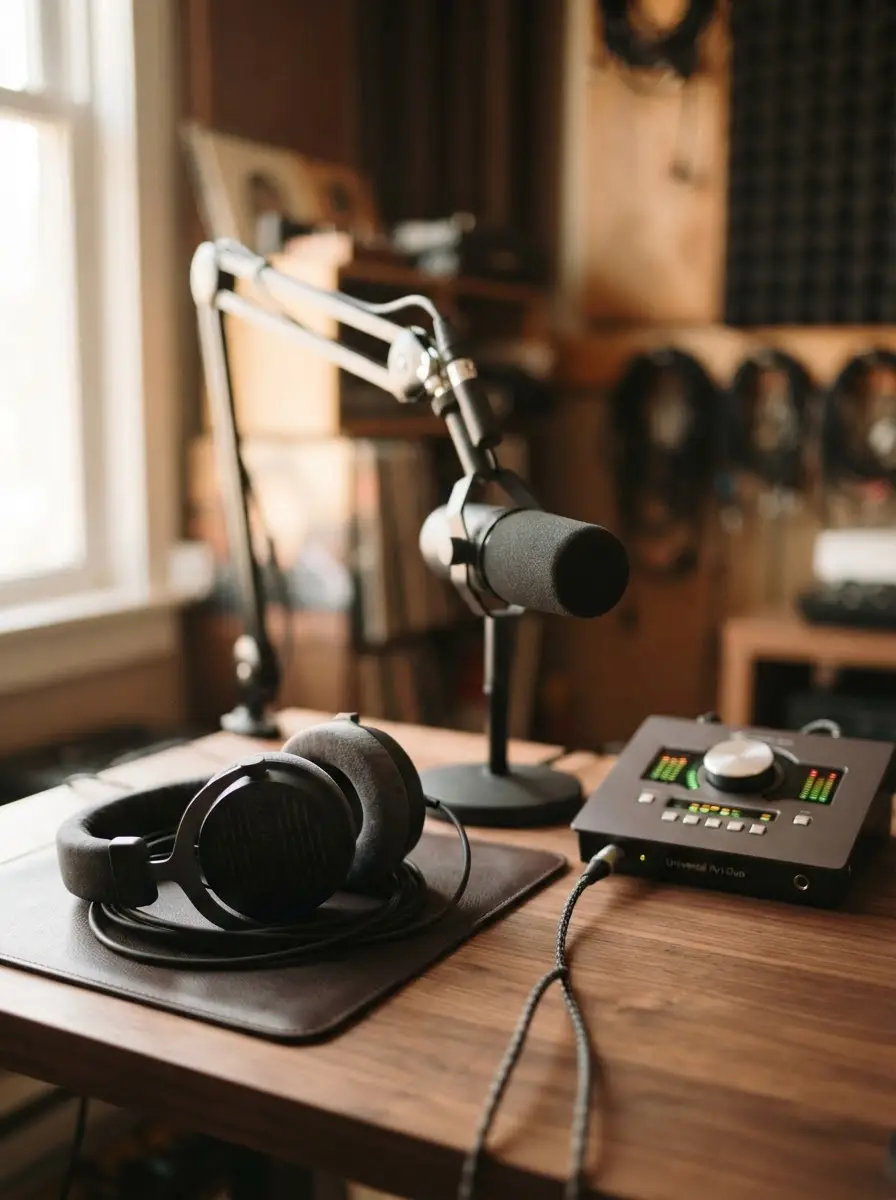
AI-generated editorial illustration; not a product or test photograph.
Short answer
Studio headphones are excellent for gaming if you prioritize sonic clarity, precise imaging for spatial awareness, and build durability over simulated surround sound. You must use a wired connection to avoid the round-trip latency inherent in wireless technology. While they lack built-in microphones, they provide a significantly more accurate listening experience that helps pinpoint subtle audio cues.
5
Product listings discussed; not hands-on tests
5/5
Discussed listings with a recorded price
$109.00–$199.99
Recorded listing price range; not a complete setup cost
Key takeaways
Studio headphones offer higher driver quality and transparency than gaming-centric models.
Closed-back designs isolate external noise, while open-back models provide a natural, wide soundstage.
Wireless models introduce latency that is detrimental to competitive real-time gameplay.
Professional headphones often lack integrated microphones, requiring a separate investment in a desk mic.
Modular, repairable components make studio headphones a better long-term financial investment.
You should prioritize the quality of your audio interface or headphone output to fully drive high-impedance studio cans.
Products discussed in this article
Editorial scores and recorded prices are reference points, not measurements of suitability for every use. Read each review's specifications and limitations.
Audio-Technica ATH-M50X Professional Studio Monitor8.5
beyerdynamic DT 990 Pro (250 Ohm), Open-Back Studio7.0
beyerdynamic DT 770 Pro (80 Ohm), Closed-Back Studio8.4
Audio-Technica ATH-M40x Professional Studio Monitor8.2
Beats Studio Pro Premium Wireless Over-Ear Headphones7.4
Recorded price (USD)
Audio-Technica ATH-M50X Professional Studio Monitor$159.00
beyerdynamic DT 990 Pro (250 Ohm), Open-Back Studio$199.99
beyerdynamic DT 770 Pro (80 Ohm), Closed-Back Studio$199.99
Audio-Technica ATH-M40x Professional Studio Monitor$109.00
Beats Studio Pro Premium Wireless Over-Ear Headphones$199.95
Comparison of Selected Studio Monitoring Headphones
Product
Architecture
Best For
Detachable Cable
ATH-M50X
Closed-Back
Tracking/Gaming
Yes
DT 990 Pro
Open-Back
Mixing/Immersive
No
DT 770 Pro
Closed-Back
Isolation/Tracking
No
ATH-M40x
Closed-Back
Accuracy/Monitoring
Yes
Beats Studio Pro
Wireless/Wired
Consumer/Commute
N/A
The Sonic Advantage of Professional Transducers
Gamers often prioritize brand-name headsets with marketing buzzwords like 'virtual surround sound' or 'deep bass boost.' In professional audio, we prioritize linear frequency response and transient accuracy. Studio headphones are designed to reveal the source material as it was intended, without the artificial colorations that define consumer gaming gear. By choosing tools such as the Audio-Technica ATH-M50X, you gain access to 45 mm large-aperture drivers designed to maintain clarity even in complex, busy soundscapes. This translates directly to gaming, where the ability to distinguish between ambient environmental noise and high-priority tactical sounds like footsteps or reload clicks is critical. Because studio gear avoids the 'v-shaped' frequency response common in consumer products, you will find that dialogues are clearer and long-term listening fatigue is significantly reduced. This professional approach to sound engineering allows you to hear the game's original mix, which is almost always superior to the processed output of consumer headsets. Furthermore, the construction of these units reflects their purpose; they are built with durable materials designed for years of studio abuse. When you transition to high-fidelity monitoring, you are not just getting a better sound; you are investing in a tool that serves both your entertainment needs and potential creative pursuits, such as music production or podcasting, which you can learn more about in our music production buyer's guide. Choosing professional gear means you are listening through drivers designed for analytical work, rather than components tuned for cheap, aggressive impact, which ultimately provides a more rewarding and detailed sonic experience during any gaming session.
Selecting the right headphone architecture is fundamental to your gaming experience. Our reviews consistently distinguish between closed-back and open-back designs, as their acoustic performance differs drastically. Closed-back models, like the beyerdynamic DT 770 Pro, feature sealed acoustic cavities. This design provides powerful passive isolation, shielding you from external distractions like PC fan noise or household ambient sound. For competitive gaming or situations where you need to block out the world, a closed-back headphone is the industry standard. It creates a focused, intimate soundstage that keeps your audio experience private and consistent.
Conversely, open-back headphones, exemplified by the beyerdynamic DT 990 Pro, utilize vented chambers that allow air to move freely through the drivers. This design eliminates internal pressure buildup and reflections, resulting in an expansive, airy soundstage that feels less like 'in-your-head' audio and more like listening to a live room. For gamers who enjoy immersive, cinematic adventures or large-scale RPGs, the natural spatial imaging provided by open-back designs is unparalleled. However, be aware that these headphones allow sound to leak out and ambient room noise to leak in. They provide zero isolation, making them unsuitable for noisy environments. For a deeper look at which design suits your specific requirements, consult our best closed-back studio headphones guide, or use our compare tool to weigh the mechanical trade-offs between specific professional models before making your final selection. Understanding this divide allows you to tailor your gear to your specific playstyle and environment, ensuring you are neither isolated when you need to be aware of your surroundings, nor distracted by ambient noise when focus is paramount for your success.
Look for models that support replaceable velour earpads. They offer superior comfort for multi-hour gaming sessions compared to factory-installed synthetic leather.
Why Wireless is a Performance Compromise
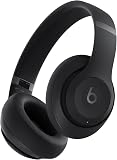
In the context of music production and competitive gaming, wireless connectivity is a major operational pitfall. As highlighted in our review of the Beats Studio Pro, even high-end consumer wireless headphones rely on digital signal processing (DSP) and Bluetooth encoding that introduce significant round-trip latency. In a real-time environment, this lag manifests as a disconnect between your visual actions and the corresponding audio, which is inexcusable for high-performance gaming. Furthermore, Bluetooth protocols often compress the signal to maintain connection stability, which degrades the very detail and clarity you are seeking by switching to professional-grade equipment. The internal circuitry of wireless headphones typically includes consumer-oriented voicing that masks mix flaws, which is the opposite of the transparency required for professional work or high-stakes competitive play. Always default to a wired connection using a standard 3.5 mm or 6.35 mm cable to ensure zero-latency performance and to bypass the battery-dependent internal converters of consumer wireless headsets. If you find your current system lacking, our articles/usb-audio-interface provide context on how dedicated gear solves these issues by providing low-latency driver support. Avoiding these common mistakes to avoid in your audio setup will preserve the fidelity of your experience and keep your signal path as direct as possible, which is essential for ensuring that every sound cue arrives precisely when it occurs on screen, without digital artifacts or processing delays. By removing the wireless middleman, you prioritize stability and raw data integrity, essential factors for competitive gaming where even milliseconds of delay can result in missed audio cues.
A common point of confusion for gamers adopting professional gear is headphone impedance (measured in ohms). You may see models like the 250-ohm variant of the DT 990 Pro. While these high-impedance headphones are cherished for their driver control, they demand substantial voltage to perform optimally. Connecting high-impedance professional headphones directly to a standard laptop or entry-level motherboard jack often results in thin, quiet, or lifeless audio because those consumer components cannot deliver the necessary current. To resolve this, many professional gamers incorporate a dedicated audio interface. These devices offer two primary benefits: they provide sufficient output voltage to drive studio headphones accurately, and they deliver the low-latency stability required for professional-grade audio tracking. If you are specifically concerned about whether your gear can drive higher-end models, see our article Can Focusrite Scarlett Drive DT 990 250 Ohm?. By managing your power requirements, you ensure that your headphones operate within their designed parameters, maintaining the transient detail and deep frequency reach that make studio gear superior to gaming headsets. Always check your headphone specifications regarding impedance and sensitivity before assuming they will work flawlessly with a simple desktop connection. Investing in a modest audio interface, as explained in our guide What Does an Audio Interface Do?, can drastically transform your auditory experience, ensuring that your investment in high-quality drivers is fully realized. Adequate drive is the final link in the chain, ensuring you hear the full spectrum of audio rather than a compromised version constrained by insufficient power delivery from your PC's standard audio output.
Avoid Bluetooth
Wireless connections introduce latency that makes real-time audio synchronization impossible for competitive play. Always utilize the included wired 3.5mm connection.
Communication Solutions for Studio Gear
One of the most frequent arguments against using studio headphones for gaming is the absence of an integrated microphone. While dedicated gaming headsets include built-in boom arms, their microphone capsules are almost universally inferior to entry-level professional recording microphones. In a professional production setup, you maintain the highest signal quality by using separate, dedicated devices for monitoring and capture. By pairing your studio headphones with a robust condenser microphone, such as the Audio-Technica AT2020 or the RØDE NT1 Signature Series, you provide your teammates with a broadcast-quality voice signal that far exceeds the compressed, often muddy audio produced by gaming headsets. This modularity also simplifies repairs; if your microphone fails, you don't have to discard your entire headset. When configuring this setup, you can look for budget-friendly bundles in our music production section. This separation allows you to choose exactly the features you need without paying a premium for integrated components that perform poorly. Furthermore, using a standalone microphone allows you to position the capsule optimally, away from keyboard noise and mechanical rumble. When you consider the longevity and the sheer quality of the audio capture you gain, the need for a separate mic is a minor inconvenience that pays dividends in both social communication and any potential creative audio work. To understand the differences in vocal capture, we recommend comparing popular options in our feature on AT2020 vs RØDE NT1 for Vocals, which illustrates why dedicated studio gear consistently outperforms integrated consumer solutions. Adopting this modular professional workflow ensures your voice is heard clearly while your gaming audio remains rich and precise.
When analyzing the market value of studio gear compared to mass-market gaming peripherals, the concept of total cost of ownership is paramount. Gaming headsets, particularly those in the sub-$150 range, are often engineered with planned obsolescence in mind, utilizing integrated cables and non-replaceable, synthetic earpads that degrade within a year of daily use. In contrast, professional equipment such as the Audio-Technica ATH-M40x is built to be serviced. These headphones feature detachable cable systems that prevent the entire unit from being discarded due to a simple cord break, and many professional models offer a vast aftermarket for velour pads, headband replacements, and driver components. By investing in a brand known for structural reliability, you avoid the recurring cycle of replacing broken plastic headsets. This philosophy aligns with sound studio economics: spend capital once on a reliable piece of gear rather than multiple times on disposable consumer goods. Whether you are building a studio or an endgame gaming station, this approach maximizes your long-term value. Our budget planner encourages this mindset by highlighting that high-quality, long-lasting gear is always more economical than frequently replaced budget alternatives. Furthermore, the sonic consistency offered by these professional tools means your listening experience will not change as the product ages, provided you maintain its replaceable parts. This dedication to serviceability is a cornerstone of professional audio culture, and it provides a significant advantage for gamers who want a reliable, daily-driver solution that they won't need to replace every eighteen months. By focusing on these durable, modular designs, you secure an audio tool that performs consistently across both gaming sessions and serious, focused listening tasks for years to come. Ultimately, professional gear provides a lasting, reliable standard of performance that makes disposable plastic headsets appear less effective over time.
1Identify if your gaming environment requires isolation or if a wide soundstage is preferred.
2Select the appropriate headphone architecture (closed or open-back) based on that environment.
3Verify that your system can provide adequate power to the drivers at the specified impedance.
4Acquire a standalone microphone if you require in-game voice functionality.
5Connect the headphones directly via a wired 3.5mm or 6.35mm source for zero-latency monitoring.
6Configure your system audio settings for maximum clarity without artificial EQ presets.
Quick checklist
Verify the impedance (Ohms) against your PC sound output capabilities.
Select a closed-back model if you require isolation from ambient noise.
Choose an open-back model for the most expansive, cinematic soundstage.
Confirm the headphones have a detachable cable for improved long-term serviceability.
Budget for a separate standalone desk microphone for voice communication.
Use a dedicated audio interface if driving high-impedance, professional gear.
Check for repairable parts like replaceable earpads and headband cushions.
Frequently asked questions
Can I use studio headphones for voice chat?
Yes, but you will need an external microphone, as most studio headphones do not feature integrated mics. Using a dedicated desktop condenser microphone provides significantly higher vocal quality for your teammates than the tiny, compressed microphones found on standard consumer gaming headsets.
Do studio headphones have 'surround sound'?
Studio headphones are designed for high-fidelity stereo reproduction. While they offer excellent spatial imaging that helps you pinpoint sounds in 3D space, they do not rely on artificial software-based virtual surround sound, which often degrades the original game mix.
Why do my high-impedance headphones sound quiet?
High-impedance headphones require more voltage than standard consumer soundcards can deliver. If your audio output sounds thin or lacks volume, you likely need a dedicated headphone amplifier or an audio interface to drive the drivers to their intended performance levels.
Are studio headphones more durable than gaming headsets?
Yes. Studio headphones are built for the daily rigors of a professional environment. They often feature modular parts like replaceable earpads, and are constructed with sturdier materials like metal instead of the fragile plastics common in mass-market gaming peripherals.
Is it worth buying an audio interface for gaming?
If you are using professional-grade studio headphones or an XLR microphone, an audio interface is a valuable upgrade. It provides stable, clean power, dedicated low-latency drivers, and precise physical control over your input and output levels.
Amazon links are affiliate links; we may earn a commission at no cost to you.
Shortlists in this category
Ranked lists from our music production reviews, limited to listings whose titles confirm the product type, with budget cuts where enough recorded prices sit on both sides of the line.
This page summarizes our research reviews of Amazon listings, listed specifications and captured buyer ratings. It is not a hands-on test. Scores are editorial assessments, not measured performance; prices are recorded snapshots and may change. A category can include both main products and accessories, so its overall price range is not the cost of a complete setup.
Most recent product record update: September 29, 2026. Individual records may be older; this is not a verification date for every claim. Prices on this page were read from the listings Sep 29, 2026 – Nov 11, 2026.
Choose the product type first. These groups require a match in the listing title; an import search term alone is not enough. Scores rank our recorded research assessments within each group, not independently measured performance.
Values are shown as recorded, without unit conversions or inferred compatibility. Not recorded means unknown, not absent. Prices are snapshots, not current offers. Editorial scores are research judgments, not lab results. Amazon links are affiliate links.
Before treating a comparison as complete
Which details are still unknown?
A specification appearing in a listing is not independent verification. These counts show which shortlisted records contain the same field; a blank record does not mean the product lacks the feature.
Age Range Description
Recorded for 2 of 2 shortlisted models
Present in every shortlisted record. Check units, exact variants and the current manufacturer documentation before relying on it.
Built-In Media
Recorded for 2 of 2 shortlisted models
Present in every shortlisted record. Check units, exact variants and the current manufacturer documentation before relying on it.
Customer Package Type
Recorded for 2 of 2 shortlisted models
Present in every shortlisted record. Check units, exact variants and the current manufacturer documentation before relying on it.
Series Number
Recorded for 2 of 2 shortlisted models
Present in every shortlisted record. Check units, exact variants and the current manufacturer documentation before relying on it.
Warranty Description
Recorded for 2 of 2 shortlisted models
Present in every shortlisted record. Check units, exact variants and the current manufacturer documentation before relying on it.
Round-trip latency and driver quality beat preamp marketing.
Treat the room before upgrading the monitors.
Closed-back for tracking, open-back for mixing.
If a specification, certification or compatibility detail is absent, mark it as unknown and ask the seller or manufacturer. Do not substitute a star rating, an editorial score or a different model's specification.