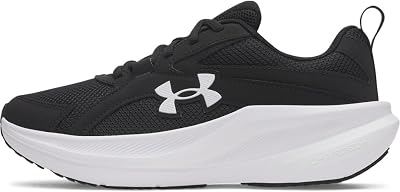
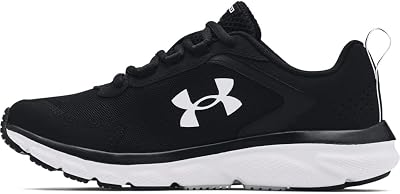
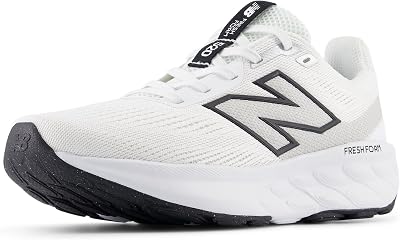
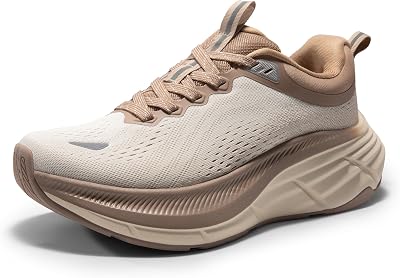
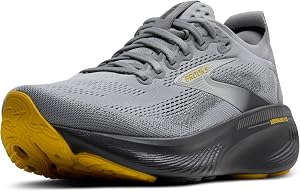
21 running shoes from our running shoes & watches reviews were recorded at $100 or less, confirmed by listing title and ranked by editorial score, then buyer rating. Prices checked Oct 28, 2026 – Nov 12, 2026.
What are the best running shoes under $100?
Brooks Men’s Cascadia 19 Mountain Trail Running Shoe has the highest editorial score (7.8/10) of the 21 running shoes we recorded at $100 or less, at $99.95 when checked. Its recorded intended fit: Technical mountain and rocky trail running. Scores are research judgments, not lab tests.
That leaves $0.05 of the budget unspent at the recorded price.
Start with fit, then weigh the recorded benefit against the limitation. These are review assessments of the top 3 models under $100, not measured advantages over every alternative.
Values are shown as recorded, without unit conversions or inferred compatibility. Not recorded means unknown, not absent. Prices are snapshots, not current offers. Editorial scores are research judgments, not lab results. Amazon links are affiliate links.
A specification appearing in a listing is not independent verification. These counts show which shortlisted records contain the same field; a blank record does not mean the product lacks the feature.
10
Recorded for 4 of 4 shortlisted models
Present in every shortlisted record. Check units, exact variants and the current manufacturer documentation before relying on it.
10.5
Recorded for 4 of 4 shortlisted models
Present in every shortlisted record. Check units, exact variants and the current manufacturer documentation before relying on it.
11
Recorded for 4 of 4 shortlisted models
Present in every shortlisted record. Check units, exact variants and the current manufacturer documentation before relying on it.
11.5
Recorded for 4 of 4 shortlisted models
Present in every shortlisted record. Check units, exact variants and the current manufacturer documentation before relying on it.
5.5
Recorded for 4 of 4 shortlisted models
Present in every shortlisted record. Check units, exact variants and the current manufacturer documentation before relying on it.
6
Recorded for 4 of 4 shortlisted models
Present in every shortlisted record. Check units, exact variants and the current manufacturer documentation before relying on it.
What spending more than $100 adds
3 title-confirmed running shoes in our reviews were recorded above $100. This compares the recorded evidence on both sides of the line; it does not mean every pricier model is better.
Recorded evidence on each side of the budget
Measure
At or under $100
Above $100
Priced models
21
3
Recorded price range
$37.99 – $100.00
$116.00 – $129.95
Median recorded price
$63.97
$124.95
Median editorial score
7.3/10
7.2/10
Medians use only models with the value recorded; even counts average the two middle values. Editorial scores are research judgments, not lab results.
Is it worth spending more than $100 on running shoes?
Above $100, the median editorial score of the running shoes we reviewed is 7.2/10, 0.1 points lower than the 7.3/10 median at or under it, for a median recorded price of $124.95 versus $63.97. The highest-scoring model above the budget, Men's NOVABLAST 5 Running Shoes, was recorded at $129.95 (7.7/10). Whether that is worth it depends on the recorded trade-offs that matter for your use.
Best under budget vs the strongest pick above it
Men's NOVABLAST 5 Running Shoes is $29.95 over the budget at its recorded price. Compare the recorded specifications and trade-offs before stretching.
Values are shown as recorded, without unit conversions or inferred compatibility. Not recorded means unknown, not absent. Prices are snapshots, not current offers. Editorial scores are research judgments, not lab results. Amazon links are affiliate links.
All running shoes under $100 ranked
No. 01 — Technical mountain and rocky trail running
A benchmark technical mountain trail shoe engineered with dedicated underfoot shielding and trail-specific rubber. The higher price tier delivers stability and impact management tailored to technical climbs and descents. Verify whether its stack height and firm protective chassis match your terrain and foot-strike style.
+Purpose-built mountain protection and rock shielding
+High-grade trail traction on varied surfaces
+Durable, debris-resistant upper construction
−Significantly higher price point
−Firm, structured platform feels stiff on pavement
Positioned as a maximalist daily trainer, this model prioritizes high stack cushioning over traditional road feedback. The rocker profile and lower heel-to-toe offset shift load away from the calves, though runners accustomed to classic drops should transition cautiously. At under $100, it provides an accessible entry into high-stack footwear for recovery days.
+Substantial stack height provides high impact damping
+Competitive price point for the max-cushion tier
+Rocker geometry facilitates forward momentum
−Tall platform reduces ground feel and lateral stability
−Stack height adjustment may cause initial Achilles tension
The Nimbus line remains a benchmark for neutral, high-mileage road protection, offering a deep midsole that excels on concrete. The plush foam compound requires at least 24 hours between runs to decompress fully, making it a natural candidate for a multi-shoe rotation. At roughly $110, it delivers premium long-run damping at a reduced price.
+High rating backed by proven long-distance durability
+Deep cushioning bed shields joints on hard pavement
+Stable neutral base accommodates varied foot strikes
−Added midsole bulk limits utility for faster intervals
−Thick foam needs a full rest day to regain rebound
At under one hundred dollars, this model offers a low-offset, high-stack platform at an unusually low entry price. The lower drop transfers load away from the knees toward the lower leg, while the broad base stabilizes the thick midsole. Check the fit around the midfoot, as the broad silhouette can feel bulky at speed.
+Competitive sub-100 dollar price point for max-cushion
+Low heel-to-toe drop distributes impact strain effectively
+Broad footprint maintains stability despite the thick stack
−Substantial stack limits road feel and agile cornering
−Bulkier profile makes fast-paced workouts awkward
This model offers a dedicated road platform at sixty dollars, providing structured baseline running geometry. Buyers must evaluate the specific stack height and offset relative to their strike pattern rather than relying on foam branding. It works effectively as an affordable secondary shoe to rotate with a primary trainer.
+Dedicated road-running geometry and outsole
+Sensible addition to a two-shoe rotation
+Reasonable price for an established trainer line
−Lower-tier foam compound compacts faster than premium EVA
−Weight penalty relative to higher-end neutral trainers
A reliable mid-tier daily trainer that offers a balanced stack height for standard training loads. It serves well as a reliable partner in a rotation, though it lacks the advanced propulsion plates found in racing models.
Priced well below average category norms, this shoe offers basic road utility for fitness runners. The traditional EVA-based midsole necessitates alternating with another pair to let the foam expand between sessions. Check the heel-to-toe drop to verify alignment with your lower-leg tolerances.
An entry-level option built for modest weekly mileage and casual road use. The budget midsole will compress and pack out sooner than premium compounds, making strict shoe rotation necessary to maintain cushion. Buyers should evaluate whether the simpler upper provides adequate heel lockdown for longer distances.
+Low financial barrier for beginners or cross-training
+Lightweight build functions well for casual gym routines
+Practical secondary pair to extend primary shoe midsole life
−Simpler midsole material degrades faster under high volume
−Upper construction provides minimal midfoot lockdown on runs
A straightforward recreational shoe built with a standard high heel drop and structured synthetic overlays. The firm midsole gives reasonable support for short outings but offers minimal energy return over longer mileage. Plan to rotate it with another shoe to give the foam adequate recovery time.
The eleventh iteration of this model maintains entry-level affordability for low-mileage road runners. The conventional midsole material needs a day off between runs to restore its original volume. Inspect stack height specifications to ensure there is adequate forefoot cushion for your stride.
A reliable entry-level road running model built for short to mid-distance training. The shoe uses a standard stack height and a firmer midsole that resists bottoming out, though energy return is minimal. It provides a cost-effective option to alternate with a softer daily trainer.
A minimalist zero-drop shoe that removes traditional midsole stack height to encourage barefoot mechanics. The absent cushioning shifts impact strain directly onto the Achilles and calves, requiring a calculated transition period. Check trail tread depth if you plan to negotiate technical or rocky terrain.
The Revolution 8 sits at the baseline price point for dedicated road running, providing the secure laced lockdown that casual sneakers lack. At $75, expect dependable basic cushioning that requires alternating with a second pair to allow the midsole time to rebound. Buyers should verify the heel-to-toe drop suits their gait before committing to high weekly mileage.
+Standard lacing system ensures dependable road lockdown
+Priced reasonably for an introductory daily trainer
+Solid outsole coverage for standard road surfaces
−Conventional midsole foam requires rest days to rebound
This entry-level shoe utilizes a straightforward EVA-based foam suitable for casual wear or short-distance aerobic runs. Given the price point, expect lower durability on the outsole rubber compared to premium trainers.
This is an entry-tier trainer where foam branding matters less than its moderate stack height and simpler construction. It is capable for low-mileage maintenance or gym routines, but the midsole will compress permanently faster than higher-end formulations. Buyers seeking marathon-level protection should look higher in the category lineup.
+Accessible sub-$70 price point
+Uncomplicated upper fit requires minimal break-in
+Lightweight build suitable for casual mixed training
−Midsole packs out quickly under high weekly mileage
The Revolution series provides an entry-level road profile intended for modest weekly mileage. Underfoot dampening is functional for short outings, though buyers should verify the heel-to-toe drop against their mechanics. It fits well as a low-cost backup pair to keep in rotation while a primary pair rebounds.
+Predictable road-focused outsole pattern
+Cost-effective secondary option for shoe rotation
+Consistent sizing from a standardized running last
−Dampening flattens out during longer mileage
−Traditional narrow toe box limits natural forefoot splay
A low-cost off-road option characterized by a wider toe box to prevent forefoot pinching on descents. The budget construction warrants caution regarding outsole traction on wet roots and hard rock. It provides a low-risk trial shoe for unpaved park paths.
At just under $50, this shoe serves primarily as an economical backup pair to keep your primary trainer fresh between sessions. Expect basic midsole materials and standard road geometry rather than advanced rebound mechanics. Check your preferred drop height before buying, as cheap platforms can vary widely from standard daily trainer specs.
A generic athletic shoe aimed at general fitness rather than specialized performance training. Verify the heel-to-toe drop and lateral support if you plan to use this for high-impact running sessions.
Generic naming indicates an all-purpose leisure sneaker rather than a dedicated running platform. The absence of published drop and stack specifications makes it difficult to assess impact protection or gait compatibility. At this price point, it functions for casual walking, but committed runners should seek documented midsole geometry.
At under $40, these slip-on shoes target casual walking rather than dedicated road mileage. The laceless upper compromises midfoot lockdown on runs, and the entry-level foam will compress permanently without proper recovery between sessions. Check the heel retention and internal volume before considering them for anything beyond light exercise.
+Accessible entry-level price point
+Convenient slip-on upper for daily wear
+Consistent user satisfaction across large sample size
−Laceless construction compromises midfoot lockdown for running
−Basic foam compresses quickly under repeated impact
21 of the 24 title-confirmed running shoes in our reviews were recorded at $100 or less, from $37.99 to $100.00. 3 cost more.
Will these running shoes still be under $100 when I buy?
Not necessarily. Prices here are readings of each Amazon listing taken Oct 28, 2026 – Nov 12, 2026; listings are re-checked on a rotating schedule, but Amazon prices can change at any time. Check the current price on the listing before you decide.
This page summarizes our research reviews of Amazon listings, listed specifications and captured buyer ratings. It is not a hands-on test. Scores are editorial assessments, not measured performance; prices are recorded snapshots and may change. A category can include both main products and accessories, so its overall price range is not the cost of a complete setup.
Most recent product record update: October 28, 2026. Individual records may be older; this is not a verification date for every claim. Prices on this page were read from the listings Oct 28, 2026 – Nov 11, 2026.