How to Clean a Water Flosser: Maintenance & Care Guide 2026
Extend the life of your oral irrigator and ensure optimal hygiene with these essential step-by-step cleaning and maintenance protocols.
By the Niche Picks editorsUpdated November 9, 202610 min readDrawn from our 34 research-based oral care devices reviews
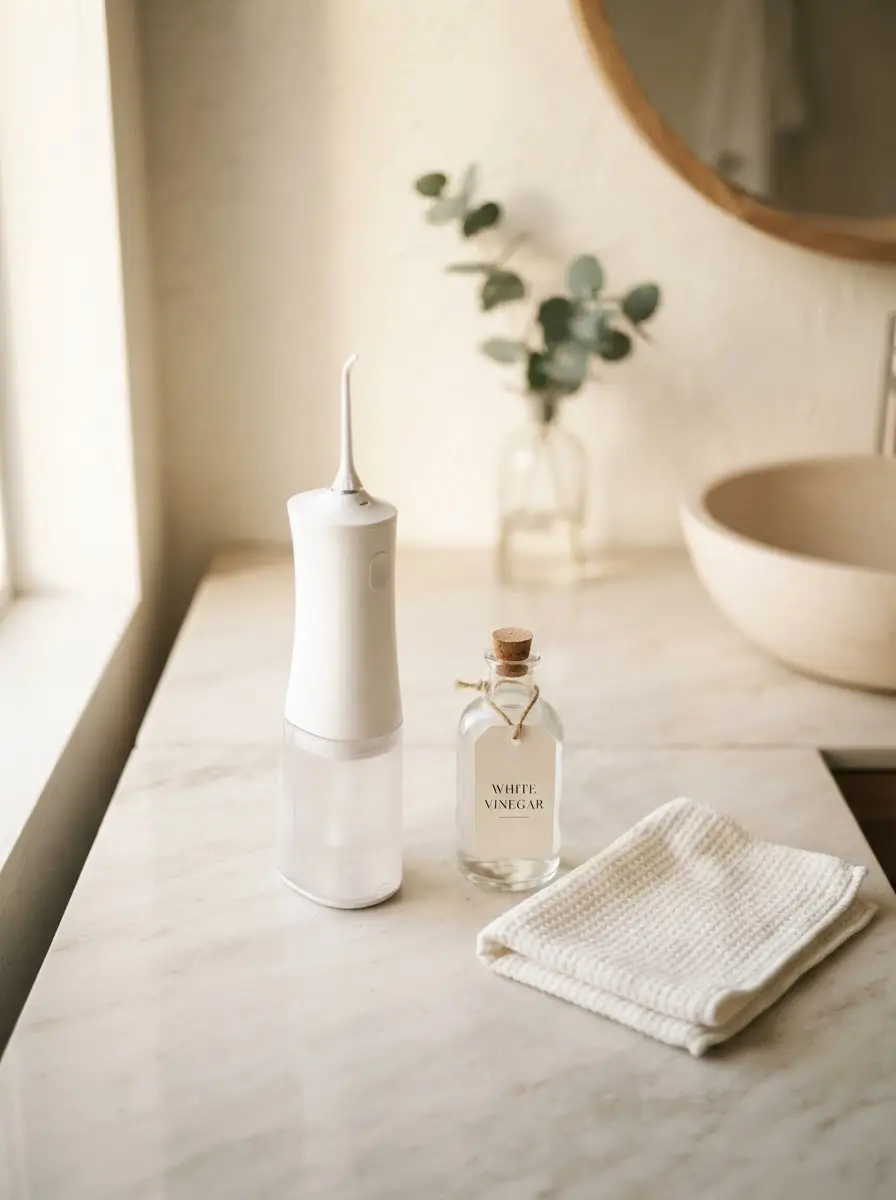
AI-generated editorial illustration; not a product or test photograph.
Short answer
To clean your water flosser, detach the reservoir and nozzle, then wash them with warm, soapy water or place top-rack dishwasher-safe components in the dishwasher. Descale the internal system monthly by running a mixture of white vinegar and water through the device, followed by two full cycles of plain water to remove any mineral buildup.
6
Product listings discussed; not hands-on tests
6/6
Discussed listings with a recorded price
$19.90–$95.16
Recorded listing price range; not a complete setup cost
Key takeaways
Regularly sanitizing your reservoir prevents mineral buildup and mold growth in stagnant water.
Deep cleaning with a vinegar solution neutralizes bacteria inside the pump and delivery lines.
Always air-dry removable parts completely after washing to stop moisture-related residue.
Standard oral hygiene guidelines recommend replacing flosser nozzles every three to six months.
Products discussed in this article
Editorial scores and recorded prices are reference points, not measurements of suitability for every use. Read each review's specifications and limitations.
Waterpik Aquarius Countertop Water Flosser with 108.3
COSLUS ADA Accepted C20 Water Dental Flosser Pick8.0
COSLUS C30 Water Dental Flosser, Upgraded DIY Mode7.6
Waterpik Cordless Pulse 3100 Portable Water Flosser7.3
Onlyone Water Flosser with Adjustable Water Pressure7.7
Waterpik Cordless Advanced Portable Water Flosser7.1
Recorded price (USD)
Waterpik Aquarius Countertop Water Flosser with 10$95.16
COSLUS ADA Accepted C20 Water Dental Flosser Pick$35.98
COSLUS C30 Water Dental Flosser, Upgraded DIY Mode$19.95
Waterpik Cordless Pulse 3100 Portable Water Flosser$29.99
Onlyone Water Flosser with Adjustable Water Pressure$19.90
Waterpik Cordless Advanced Portable Water Flosser$93.99
Comparison of Water Flosser Maintenance Features
Product
Tank Volume
Dishwasher Safe Parts
Maintenance Needs
Waterpik Aquarius
22 oz
Yes
Monthly Descaling
COSLUS C20
300 ml
No
Monthly Descaling
COSLUS C30
300 ml
Yes
Monthly Descaling
Waterpik Pulse 3100
6 oz
Yes
Monthly Descaling
Onlyone FC5090
300 ml
No
Monthly Descaling
Waterpik Advanced
7 oz
Yes
Monthly Descaling
Why Is Regular Maintenance Vital for Water Flossers?
Your water flosser functions as a precision irrigation tool, and like any device that uses water, it is susceptible to mineral deposits and biofilm accumulation. The damp, enclosed environment of a reservoir—such as the 22-ounce tank found on the Waterpik Aquarius—can become a breeding ground for bacteria if left unmaintained. When you neglect these cleaning routines, mineral scale from hard water can clog the fine internal channels and nozzles, reducing the pulse pressure necessary for effective plaque removal. Maintenance is a recurring reality for all high-performance oral care equipment, much like replacing brush heads for your toothbrush as outlined in Are Electric Toothbrushes Better?.
Maintaining your COSLUS C20 or similar handheld device is just as critical. Because these portable units are frequently used in humid bathroom environments or inside the shower, their exterior casings must remain clean to prevent mold. Beyond sanitation, regular care protects the internal motor and seals from premature failure. Neglecting maintenance often leads to reduced pressure output, which undermines the primary reason for choosing a water flosser for gum health. Furthermore, consistent cleaning protocols, as detailed in our oral care guide, ensure that every session remains sanitary and safe for your delicate periodontal tissue. Understanding these requirements is a core part of being an informed consumer, as explored in our oral care blog.
Prevents the buildup of internal mineral scale and calcium deposits.
Stops the growth of bacteria and biofilm in the reservoir.
Maintains consistent pressure delivery for optimal plaque disruption.
Extends the lifespan of expensive motor and seal components.
By incorporating these simple steps into your weekly or monthly schedule, you preserve the investment made in your oral hygiene hardware. While some models feature detachable, dishwasher-safe tanks like the Waterpik Cordless Pulse 3100, you should still periodically inspect and manually scrub the internal parts to ensure no lingering debris remains. For more information on device longevity and selecting the right tools for your bathroom, refer to our best water flosser round-up.
The reservoir is the most common site for microbial growth, especially in compact units like the COSLUS C30. Start by removing the reservoir from the base and emptying any leftover water after each use; letting water sit stagnant for days is a leading cause of odor and bacterial contamination. Once a week, submerge the reservoir in warm, soapy water using a mild dish detergent. If the design allows—like the wider-mouth reservoirs found on newer COSLUS water flossers or the Onlyone FC5090—use a soft brush to scrub the interior surface where scale might hide. This simple manual scrub prevents the buildup that eventually restricts water flow.
Cleaning the tips (nozzles) requires similar attention. Since these items go directly into your mouth, they should be sanitized periodically. If the tips are not heavily calcified, soaking them in a solution of hydrogen peroxide or a specialized oral cleaner can be effective. Never use harsh household chemicals or bleaches, as these can degrade the BPA-free plastic housing of your device. For those who prioritize convenience, checking if your specific model is top-rack dishwasher safe—like the Waterpik Cordless Pulse 3100—can save significant effort, though you must confirm this in the user manual first.
Empty the reservoir completely after every single use.
Wash removable tanks weekly in warm, mild soapy water.
Scrub the interior with a soft brush to remove biofilm.
Rinse and air-dry all parts thoroughly to prevent mold.
Remember that while sanitization helps, it does not replace the physical replacement of the tips themselves. Oral care experts agree that worn-out tips can lose their ability to maintain precise pressure, rendering the device less effective at cleaning hard-to-reach interdental spaces. Always monitor the condition of your nozzles and refer to mistakes to avoid when handling these delicate plastic components. Consistent care ensures you get the most out of your cordless water flosser investment.
Never use bleach, abrasive scrubbers, or aggressive cleaning agents inside your reservoir or on the flosser handle. These can degrade the plastic and damage the internal seals, leading to leaks.
Deep Cleaning: Descaling the Internal Components
Over time, hard water minerals will inevitably build up inside the internal pump and the narrow tubing of your unit, which can choke the flow of water. To address this, you need to perform a descaling procedure monthly. Start by filling the reservoir with a solution of one part white vinegar to two parts warm water. Run half of this solution through the unit into your sink while using the various pressure settings available. For models like the Waterpik Aquarius with ten intensity levels, cycle through both the lowest and highest settings to ensure the internal mechanism is fully flushed.
After running the vinegar solution, let the device sit for approximately 20 minutes to allow the acidic solution to break down stubborn mineral deposits. Following this dwell time, flush the entire system by running two full reservoirs of plain, cool tap water through the device. This final step is crucial for removing any lingering vinegar taste or residue. Consistent descaling ensures that the internal motor, whether battery-powered like the Waterpik Cordless Advanced or corded, remains efficient and provides the pressure you paid for. Our budget planner can help you weigh the cost of cleaning solutions against the long-term expense of replacing a broken motor unit. If you feel your unit has lost its power despite cleaning, consider comparing it to newer alternatives to see if a repair or upgrade is more economical.
Use a mix of white vinegar and warm water for monthly descaling.
Run the solution through the unit at multiple pressure levels.
Allow the solution to dwell inside the pipes for 20 minutes.
Perform two full cycles with plain water to rinse the internal pump.
By keeping the internal plumbing clear, you prevent the device from vibrating excessively or stalling during use. This proactive approach to maintenance ensures that your water flosser remains a reliable part of your daily oral care routine, regardless of the specific model or form factor you use.
Users living in regions with hard water will encounter mineral deposits faster than those with soft water. Calcium and magnesium carbonate accumulation is a silent performance killer, gradually constricting the path for pressurized water and putting unnecessary strain on the internal pump. If you notice white, chalky residue at the base of the nozzle or inside the tank of your Waterpik Cordless Advanced, you should shorten your descaling interval to every two or three weeks. Ignoring this accumulation can lead to erratic spray patterns that miss target areas between teeth.
When you see scale forming, act quickly. The longer mineral deposits sit, the more difficult they are to remove without stronger agents, which you should avoid due to potential damage to the plastic. A preventative approach, such as rinsing the system with distilled water if your tap water is exceptionally hard, can significantly delay the need for deep cleaning. This habit is especially important for compact bathroom and travel flosser users who might use varying water sources during trips. Keeping the device clean is an essential skill for anyone serious about maintaining their dental health. By following these guidelines and referencing our oral care FAQ, you can ensure that even entry-level units perform reliably for years.
Check for white, chalky deposits around the nozzle and tank.
Switch to distilled water if your home water is very hard.
Increase the frequency of vinegar flushes in high-calcium areas.
Avoid using abrasive brushes that can scratch the internal plastic.
Regularly checking for these physical signs of wear allows you to catch issues before the motor fails. Remember that the goal is to keep the flow consistent and the water pathway clear of any biological or geological obstructions. If cleaning does not restore the original pressure, the internal diaphragm may have degraded, which is common in units reaching the end of their design life.
If you notice a faint vinegar scent after descaling, run an extra cycle of plain, filtered water. A quick final rinse ensures your next flossing session remains fresh and neutral.
Cleaning and Storing Your Device for Travel
Travel introduces unique challenges for oral care devices, particularly regarding moisture and hygiene. For users who pack their flosser in a bag, storing a wet device is a recipe for mold. Before placing your COSLUS C20 or Waterpik Cordless Advanced into a travel pouch, always remove the nozzle and empty the reservoir completely. If the device is equipped with an air-drying mode or a removable tank, ensure it is fully dried before sealing it away. For extended storage during trips, it is wise to shake the unit while holding it upside down to dislodge any remaining water droplets trapped in the pump.
When you arrive at your destination, perform a quick system flush with fresh water to ensure no residue has settled during transit. If you are traveling internationally, ensure your device is charged, but be wary of using incorrect voltage adapters that might cause motor irregularities. If your device uses a USB-A connection, verify the power output matches manufacturer specifications to avoid damage. Maintaining this habit keeps the device ready for immediate use and prevents the buildup of odors. If you are looking for more tips on managing dental gear during travel, check our oral care guide for insights on organization and portable hygiene.
Remove the nozzle and empty the tank before packing.
Shake out remaining water to prevent internal mold during transit.
Air-dry the device completely before storing in a pouch.
Perform a quick rinse upon arriving at your destination.
Travel is one of the most common times for maintenance to be neglected, leading to issues when you return home. By treating your flosser with the same care you give your smartphone or laptop, you ensure it survives the transit safely. Always use the provided travel cases, such as those included with higher-end Waterpik models, to protect the delicate nozzle mount during the trip.
Replacing Tips and Consumables: When to Stop Cleaning
There is a limit to how much cleaning can restore performance. The tip of a water flosser, such as those used with the Waterpik Aquarius, is designed to focus a high-velocity stream of water into a precise, narrow beam. Over time, the plastic edge wears down, and internal mineral crusting can become permanent. When you can no longer clear the nozzle or when the spray feels frayed and inconsistent, it is time to discard the old nozzle. Our best water flosser reviews highlight that recurring tip costs are a standard part of owning these devices.
Most manufacturers advise replacing tips every three to six months. This timeframe coincides with the natural degradation of the plastic and the buildup of biofilm that cleaning agents might not reach. Do not try to extend the life of a tip beyond this window, as a damaged nozzle can spray water at an unintended angle or cause irritation to your gums. Instead, plan for these small, recurring expenses by looking at multi-pack options. This is a key part of the total cost of ownership, which we discuss further in our budget planner. By keeping a stock of fresh tips, you guarantee that your daily oral care routine remains both effective and hygienic.
Inspect nozzles every month for visible signs of wear or scale.
Follow the 3-6 month replacement rule strictly for all tips.
Discard tips immediately if you notice cracks or loss of pressure.
Buy multi-packs to lower the cost-per-tip over three years.
Replacing consumables at the right time is as vital as cleaning the unit itself. Your gums are sensitive to the force and precision of the water stream, so maintaining the integrity of the nozzle is critical. By balancing the deep cleaning of the device with the timely replacement of its parts, you achieve the best clinical results for your dental health.
1Detach the reservoir from the flosser handle and pour out any remaining water.
2Wash the reservoir and nozzle separately in warm, mild soapy water.
3Fill the reservoir with a solution of one part white vinegar and two parts warm water.
4Run half the solution through the unit at various pressure settings, then let it sit for 20 minutes.
5Flush the remaining solution through the device until the tank is empty.
6Run two full reservoirs of plain, fresh water to clear all remaining vinegar taste from the internal pump.
Quick checklist
Empty and air-dry the reservoir after every daily use.
Perform a monthly deep descaling with a white vinegar solution.
Inspect the nozzle for mineral buildup or cracks every month.
Replace flosser tips every 3 to 6 months.
Wipe the exterior handle with a soft, damp cloth to remove soap residue.
Clear any debris from the charging port area (for cordless models).
Use distilled water in hard water areas to reduce scale formation.
Frequently asked questions
How often should I clean my water flosser?
You should empty and dry the reservoir after every use to prevent mold. A deep cleaning or descaling of the internal pump using a vinegar solution should be performed at least once a month to ensure the device continues to function at peak pressure.
Can I use mouthwash in my water flosser?
While some manufacturers allow it, be cautious. Many mouthwashes contain ingredients that can clog the device's internal plumbing. If you choose to use mouthwash, always run a full reservoir of plain water through the system immediately afterward to flush out any sticky residue.
How do I know if my flosser tips need replacing?
Dental professionals generally recommend replacing water flosser nozzles every three to six months. If you notice mineral buildup that you cannot clean off, or if the water stream has become irregular, frayed, or weak, it is time for a new tip.
Can I put my water flosser in the dishwasher?
Only if the manufacturer specifically states that the reservoir or specific parts are top-rack dishwasher safe. Never put the motor base or handle, which contains the battery and electronics, into a dishwasher, as this will destroy the sensitive internal components.
What happens if I don't descale my water flosser?
Over time, hard water minerals will build up inside the device, leading to clogs. This will eventually reduce the water pressure output, making the device less effective at removing plaque and potentially causing the pump motor to strain or fail prematurely due to increased internal resistance.
Amazon links are affiliate links; we may earn a commission at no cost to you.
Shortlists in this category
Ranked lists from our oral care devices reviews, limited to listings whose titles confirm the product type, with budget cuts where enough recorded prices sit on both sides of the line.
This page summarizes our research reviews of Amazon listings, listed specifications and captured buyer ratings. It is not a hands-on test. Scores are editorial assessments, not measured performance; prices are recorded snapshots and may change. A category can include both main products and accessories, so its overall price range is not the cost of a complete setup.
Most recent product record update: September 29, 2026. Individual records may be older; this is not a verification date for every claim. Prices on this page were read from the listings Nov 8, 2026.
Choose the product type first. These groups require a match in the listing title; an import search term alone is not enough. Scores rank our recorded research assessments within each group, not independently measured performance.
Values are shown as recorded, without unit conversions or inferred compatibility. Not recorded means unknown, not absent. Prices are snapshots, not current offers. Editorial scores are research judgments, not lab results. Amazon links are affiliate links.
Before treating a comparison as complete
Which details are still unknown?
A specification appearing in a listing is not independent verification. These counts show which shortlisted records contain the same field; a blank record does not mean the product lacks the feature.
Item Dimensions
Recorded for 2 of 2 shortlisted models
Present in every shortlisted record. Check units, exact variants and the current manufacturer documentation before relying on it.
Power Source
Recorded for 2 of 2 shortlisted models
Present in every shortlisted record. Check units, exact variants and the current manufacturer documentation before relying on it.
Pressure sensors protect gums more than extra modes do.
Replacement head cost over three years often exceeds the handle.
Tank size decides whether a flosser finishes one session.
If a specification, certification or compatibility detail is absent, mark it as unknown and ask the seller or manufacturer. Do not substitute a star rating, an editorial score or a different model's specification.