Can a Water Flosser Replace Flossing? 2026 Insight
Deciding between string floss and water irrigators? We analyze if water flossers truly replace traditional flossing for your oral health routine.
By the Niche Picks editorsUpdated November 9, 20268 min readDrawn from our 34 research-based oral care devices reviews
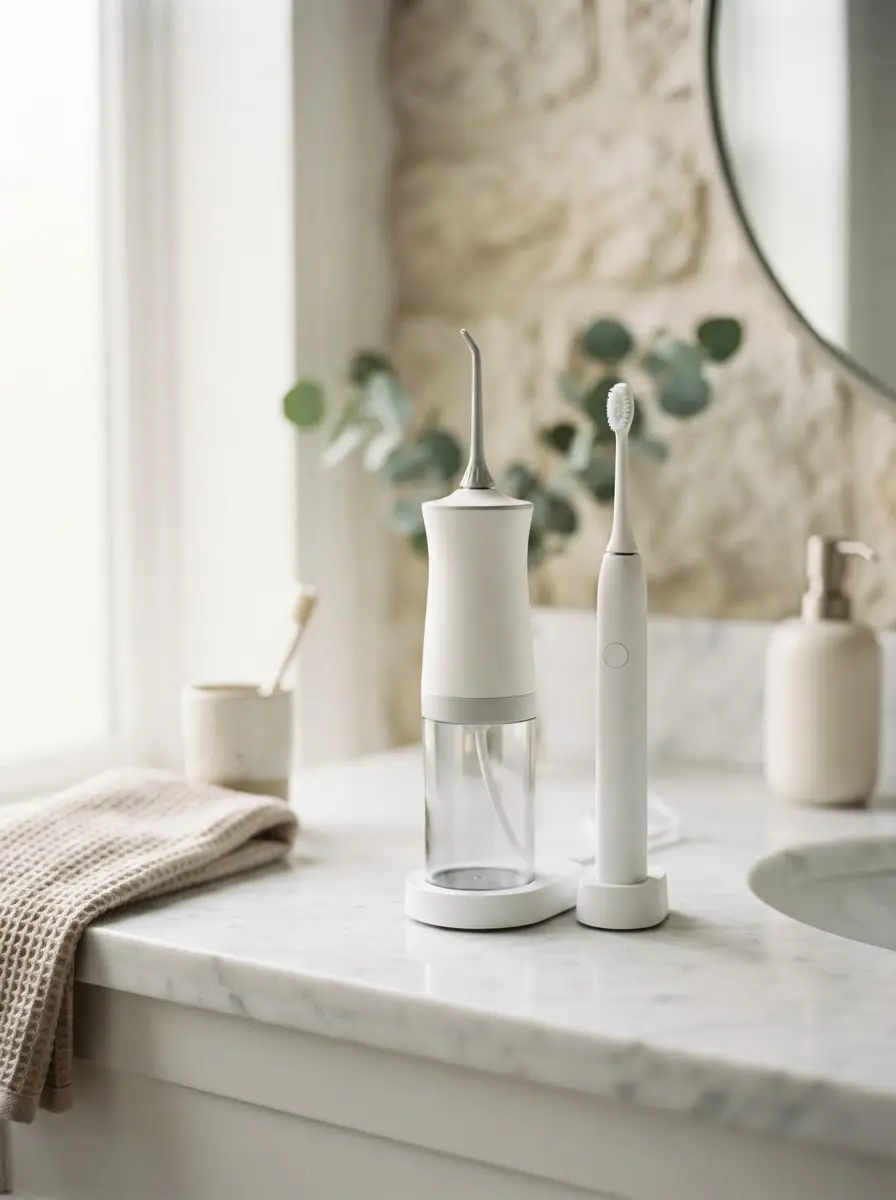
AI-generated editorial illustration; not a product or test photograph.
Short answer
While many dentists acknowledge that water flossers can effectively remove plaque and debris, they are often considered a supplement to, rather than a total replacement for, traditional string floss. Mechanical string flossing remains the standard for physically scraping plaque from tight interdental spaces that a water stream may bypass. Consistent use of a high-quality water flosser significantly aids gum health, especially for those with braces or implants.
4
Product listings discussed; not hands-on tests
4/4
Discussed listings with a recorded price
$29.99–$95.16
Recorded listing price range; not a complete setup cost
Key takeaways
Water flossers excel at clearing debris from gum pockets and around orthodontic hardware.
String floss is physically superior at removing stubborn plaque buildup between tight teeth.
Your choice of flosser should prioritize gum-safe pressure regulation over excessive power modes.
Budget for three-year replacement head costs, as they often exceed the price of the handle.
A combined approach using both methods provides the most comprehensive defense against periodontal issues.
Products discussed in this article
Editorial scores and recorded prices are reference points, not measurements of suitability for every use. Read each review's specifications and limitations.
Waterpik Aquarius Countertop Water Flosser with 108.3
COSLUS ADA Accepted C20 Water Dental Flosser Pick8.0
Nicwell Water Dental Flosser Pick for Teeth: 4 Modes6.9
Waterpik Cordless Pulse 3100 Portable Water Flosser7.3
Recorded price (USD)
Waterpik Aquarius Countertop Water Flosser with 10$95.16
COSLUS ADA Accepted C20 Water Dental Flosser Pick$35.98
Nicwell Water Dental Flosser Pick for Teeth: 4 Modes$45.99
Waterpik Cordless Pulse 3100 Portable Water Flosser$29.99
Comparison of Top-Rated Water Flossers
Product
Tank Size
Best For
Price
Waterpik Aquarius
22 oz
Dedicated Counters
$95.16
COSLUS C20
300 ml
Travel/Compact
$35.98
Nicwell W01
200 ml
Budget Portability
$45.99
Waterpik Pulse 3100
6 oz
Established Brands
$29.99
Is a Water Flosser Enough for Daily Care?
The debate over whether a water flosser can fully replace traditional string floss is a common topic in oral care. In our FAQ analysis, the consensus suggests that while water flossers are exceptional at flushing out food particles and massaging gum tissue, they lack the abrasive friction provided by nylon string. This friction is essential for disrupting biofilm that clings to tooth enamel in tight gaps where water pressure simply flows through without contact.
For many users, the transition to a cordless water flosser represents a significant improvement in compliance, as the process is often perceived as less tedious than string flossing. However, if your teeth are tightly spaced, the water jet may not adequately scrape the interproximal surfaces. Using a model like the Waterpik Aquarius allows for steady, controlled irrigation that reaches deep into gingival pockets, but it shouldn't be viewed as a 'get out of jail free' card for your dental hygiene.
Most dental professionals recommend a hybrid approach. Using string floss once per day ensures the physical removal of plaque, while a water flosser cleanses the gumline and hard-to-reach areas around bridges or implants. If you struggle with the dexterity required for manual string flossing, a water flosser is certainly a superior alternative to doing nothing at all, but it requires diligent technique to be effective. You can learn more about managing these routines in our buying tips section to ensure you aren't missing critical gaps.
When selecting a device, the reservoir capacity is perhaps the most overlooked specification. An irrigator's tank size determines whether you can complete a full-mouth cleaning session in one go or if you will be forced to stop mid-process to refill. For example, the COSLUS C20 offers a 300 ml tank designed specifically to minimize the need for mid-session refills, providing a more consistent and interrupted workflow. Conversely, many compact portable models like the Nicwell W01 feature smaller tanks that may require two or even three refills to clean both the upper and lower dental arches thoroughly.
Interrupted sessions often lead to rushing, which in turn reduces the effectiveness of your oral care. If you are serious about replacing or augmenting your flossing habit, prioritize devices that hold at least 200–300 ml of water. This ensures you have enough sustained pressure to work methodically around each tooth. While portable units like the Waterpik Cordless Pulse 3100 are fantastic for travel and small bathrooms, remember that their 6-ounce (approx. 177 ml) capacity is a compromise for portability. Understanding your mistakes to avoid when flossing often starts with having the right equipment that doesn't make your routine feel like a chore due to constant hardware maintenance and refilling.
If you are new to water flossing, start on the lowest setting to prevent gum irritation. Build up the pressure gradually as your gums become accustomed to the sensation.
Why Pressure Sensors Matter More Than Modes
Many manufacturers market their devices by highlighting a wide array of pressure settings or pulsating modes, but we find that an active pressure sensor is a far more critical feature for long-term gum health. In oral care, damage is rarely caused by a lack of settings; it is caused by excessive force against delicate periodontal tissue. Devices lacking a pressure sensor put the burden of safety entirely on the user, who may not be able to accurately gauge the hydrostatic force being applied during a session.
When choosing between oral care devices, always look for feedback mechanisms. While the Nicwell or COSLUS models offer several manual modes, they often lack the automatic throttle that high-end devices use to prevent gum recession. Think of these settings as tools for comfort rather than safety. If you have sensitive gums or are prone to inflammation, a device that offers real-time feedback is essential. This is particularly important if you are using a water flosser in place of traditional floss, as the temptation to use the highest pressure setting to 'blast' away plaque can lead to unintended tissue damage. Always refer to manufacturer manuals for specific safety instructions, and ensure you are using the correct tips for your needs, such as periodontal or orthodontic attachments.
The Hidden Cost of Ownership
One of the most critical aspects of owning any electric oral care device is the long-term cost of consumables. Prospective buyers often focus on the attractive entry price of a handle, but the real cost is hidden in the replacement heads. Because dental health standards dictate that you swap out your tips or brush heads every three to six months, you are effectively entering into a subscription for these components. In many cases, the cumulative cost of these replacements over a three-year window will exceed the initial price of the handle itself.
When you compare models, calculate the annual cost per head. A device that costs $20 upfront but requires expensive proprietary tips may end up being more costly than a $60 device with cheaper, widely available refills. Furthermore, ensure that the brand you choose maintains a steady inventory of parts. Some budget brands experience supply chain fluctuations, leaving users with a perfectly functional device that they can no longer find compatible parts for. If you are using a budget planner to manage your household expenses, keep this recurring 'maintenance tax' in mind. It is often smarter to invest in a platform with widespread, affordable replacement options than to get trapped in a high-cost proprietary ecosystem where the recurring expense is unsustainable over the long term.
Monitor Maintenance
Water flossers can develop mineral buildup and mold. Regularly clean your reservoir and discard tips every 3-6 months to ensure the device remains hygienic.
Technique: Getting the Most From Your Flosser
Even if you decide to fully replace traditional string flossing, your technique is the deciding factor for efficacy. A common mistake to avoid is moving the water flosser tip too quickly or at the wrong angle. Start with the lowest pressure setting to allow your gums to acclimatize, especially if you are prone to bleeding. Lean over the sink, place the tip in your mouth, and then turn the device on to prevent water from splashing uncontrollably. Work along the gumline, pausing briefly between teeth to ensure the stream is flushing out the interdental spaces.
If you are using an electric toothbrush in tandem with a water flosser, consider the sequence. Some users prefer to floss first to dislodge debris, followed by brushing to clear the loosened particles away. However, the order is less important than the consistency. If you find your water flosser is too messy, consider a model rated IPX7, which allows for in-shower use—a simple way to make your routine much more manageable. For a deeper look into proper usage, our guide on how to use an electric toothbrush and our specialized oral care devices reviews can help you build a routine that is both effective and sustainable for your specific dental needs.
Maintaining Your Equipment for Longevity
Maintenance is a requirement for any device that circulates water. Mineral buildup, especially in areas with hard water, can clog the internal pump and reduce the pressure output over time. Many users fail to realize that a 'weak' water flosser is often just a dirty one. Regularly rinsing your reservoir and, where manufacturer instructions allow, running a mixture of water and a safe cleaning solution through the system can prevent mold and mineral deposits. You can find detailed procedures on how to clean a water flosser in our maintenance center.
Beyond cleaning the tank, inspect the tips for signs of degradation. If the tip has become rough or the plastic is discolored, it is time for a replacement. Bacterial colonization is a real concern in damp bathroom environments, which is why we recommend storing your devices in dry areas or using a UV-C sanitizer to help manage surface cleanliness. Investing a few minutes each month into the maintenance of your handle and reservoir will extend the lifespan of your pump, saving you the expense of replacing the entire unit prematurely. Always check your model's specific warranty information to see what maintenance steps the manufacturer requires, as neglecting these simple tasks can often void your coverage.
2Select a low pressure mode for the initial setting.
3Position the nozzle at a 90-degree angle to the gumline.
4Lean over the sink to manage water flow.
5Trace the gumline slowly, pausing briefly between each tooth.
6Dispose of or clean the tip after every session.
Quick checklist
Check for active pressure sensors to protect gums.
Measure available bathroom counter space.
Verify replacement tip compatibility and cost.
Ensure the tank capacity fits your desired routine.
Select an IPX7 waterproof model if showering while using.
Confirm if the device requires a USB or AC wall adapter.
Frequently asked questions
Can I use mouthwash in my water flosser?
While some manufacturers allow it, many warn against using concentrated mouthwash as it can degrade the internal seals and components of the pump. It is safer to use plain warm water for your daily routine, unless the manufacturer's manual explicitly lists safe additives.
Does a water flosser remove as much plaque as string?
Clinical studies show that water flossers are highly effective at removing debris and reducing gingivitis, but string floss remains superior at mechanically scrubbing plaque off the tight contact points between teeth. Most dentists consider them complementary tools rather than perfect substitutes.
How often should I replace my water flosser tips?
Dental guidelines recommend replacing your flosser tips every three to six months. This is to ensure maximum pressure efficiency and to prevent the buildup of bacterial colonies that naturally accumulate on surfaces that remain consistently damp.
Are cordless water flossers as powerful as countertop ones?
Countertop units generally offer larger reservoirs and higher, more consistent pressure regulation than cordless models. However, modern cordless options have improved significantly and are often sufficient for most users' daily hygiene needs, provided you don't mind the smaller water capacity.
Is bleeding normal when starting water flossing?
Minor bleeding when beginning a new flossing routine is common if your gums are unaccustomed to the cleaning. If bleeding persists after two weeks of consistent, gentle use, consult your dentist to rule out underlying periodontal issues.
Amazon links are affiliate links; we may earn a commission at no cost to you.
Shortlists in this category
Ranked lists from our oral care devices reviews, limited to listings whose titles confirm the product type, with budget cuts where enough recorded prices sit on both sides of the line.
This page summarizes our research reviews of Amazon listings, listed specifications and captured buyer ratings. It is not a hands-on test. Scores are editorial assessments, not measured performance; prices are recorded snapshots and may change. A category can include both main products and accessories, so its overall price range is not the cost of a complete setup.
Most recent product record update: September 29, 2026. Individual records may be older; this is not a verification date for every claim. Prices on this page were read from the listings Nov 8, 2026.
Choose the product type first. These groups require a match in the listing title; an import search term alone is not enough. Scores rank our recorded research assessments within each group, not independently measured performance.
Values are shown as recorded, without unit conversions or inferred compatibility. Not recorded means unknown, not absent. Prices are snapshots, not current offers. Editorial scores are research judgments, not lab results. Amazon links are affiliate links.
Before treating a comparison as complete
Which details are still unknown?
A specification appearing in a listing is not independent verification. These counts show which shortlisted records contain the same field; a blank record does not mean the product lacks the feature.
Item Dimensions
Recorded for 2 of 2 shortlisted models
Present in every shortlisted record. Check units, exact variants and the current manufacturer documentation before relying on it.
Power Source
Recorded for 2 of 2 shortlisted models
Present in every shortlisted record. Check units, exact variants and the current manufacturer documentation before relying on it.
Pressure sensors protect gums more than extra modes do.
Replacement head cost over three years often exceeds the handle.
Tank size decides whether a flosser finishes one session.
If a specification, certification or compatibility detail is absent, mark it as unknown and ask the seller or manufacturer. Do not substitute a star rating, an editorial score or a different model's specification.