Design and Build
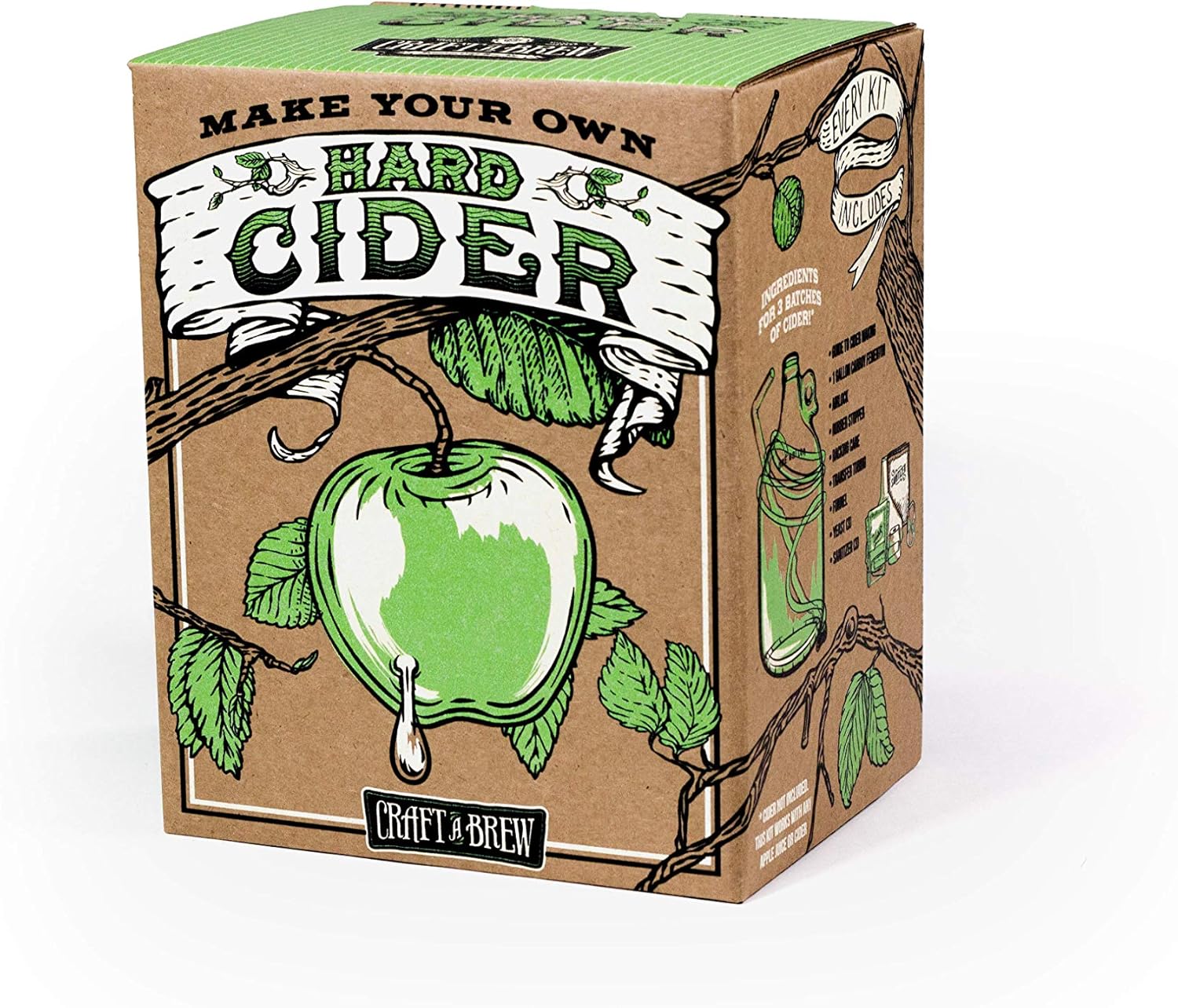
The Craft A Brew Hard Cider Kit relies on a traditional one-gallon glass jug rather than modern stainless steel. The glass carboy is chemically inert and allows complete visual monitoring of fermentation stages, though it lacks the lower dump valve found on advanced conical fermenters to separate sediment cleanly. Accompanying hardware includes a vinyl transfer tube, racking cane, tubing clamp, rubber stopper, plastic funnel, and a standard three-piece airlock. While the manufacturer specifications list conflicting volumetric data, such as a 750-milliliter line entry, the actual vessel is standardized to one gallon. The inclusion of a rigid racking cane makes manual siphoning manageable, though plastic components require careful handling to avoid hairline scratches that harbor bacteria. This configuration provides the absolute mechanical baseline for liquid fermentation. It is durable enough for repeated cycles if protected from thermal shock and physical impacts, but handling a heavy glass vessel during cleaning procedures presents inherent breakage risks compared to metal alternatives.
Real-World Performance
Fermentation results with this kit depend entirely on ambient environmental conditions rather than the hardware itself. In home brewing, precise temperature control consistently outranks ingredient selection, yet this kit provides no thermal monitoring strips, heating elements, or cooling jackets. A batch placed in a closet subject to wide thermal swings will generate off-flavors regardless of the yeast strain supplied. The kit includes recipe dry goods for three batches, but the buyer must source pasteurized, preservative-free cider or apple juice independently. Racking with the manual cane and pinch clamp requires patience to avoid aerating the cider or disturbing the settled lees. Furthermore, while the package contains an initial packet of sanitizer, practical brewing hygiene demands purchasing double the anticipated cleaning supplies to ensure every tube, stopper, and funnel surface is sterilized before and after liquid transfer. Siphoning into bottles remains a delicate physical operation without dedicated bottling valves.
Value for Money
Priced at $49.95, this package serves primarily as an introductory hardware bundle rather than a self-contained production system. The components—glass jug, airlock, racking cane, funnel, and tubing—would cost roughly the same amount if sourced individually from local homebrew shops, factoring in shipping. The kit holds an aggregate rating of 4.6 out of 5 across more than 3,700 reviews, indicating broad consumer satisfaction with the core hardware. However, true operating costs extend well beyond the initial purchase. Brewers must budget for pasteurized cider, supplementary sanitizing agents, bottle caps, a capping mechanism, and twelve-ounce bottles, none of which are packaged in this box. The three included recipe packets soften the consumable cost across early batches, but the economic efficiency deteriorates quickly if users upgrade their hardware after discovering the operational limitations of single-gallon glass vessels. For dabblers, the price point represents low financial risk.
Who Should Skip It
Experienced brewers and those intending to brew systematically should bypass this kit in favor of more sophisticated setups. The single-gallon glass jug yields approximately eight to ten standard twelve-ounce bottles per three-week fermentation cycle, offering a very low volume return for the sanitation effort required. Anyone prioritizing clean sediment separation will find the flat-bottomed carboy frustrating compared to a stainless steel conical fermenter with a dedicated dump port. Furthermore, brewers lacking a space with stable ambient temperatures will struggle to maintain product consistency without external temperature controllers. If you already own basic siphoning gear and an airlock, purchasing the isolated glass jug and standard cider yeast is far more economical. Those who anticipate producing multiple styles simultaneously or who demand pressurized transfers to prevent oxygen exposure will outgrow the included manual racking cane and rubber bung within their first or second brewing attempt.