Men's Military Tactical Boot Zipper Lightweight
- 6.5
- 6.5
- 7
- 7
- 7.5
- 7.5
Check before choosing: Zipper mechanism introduces a vulnerability to trail debris
NORTIV 8 has 8 researched listings in our catalogue across 2 categories; the highest scoring is Men's Military Tactical Boot Zipper Lightweight. Figures below are computed only from these listings, which are research reviews of published product information, not hands-on tests.
Buyer ratings combine 72,819 captured Amazon ratings.

Prioritizing low weight and rapid on-off capability, this tactical-style boot relies on a side zipper rather than a sealed waterproof construction. The absence of a waterproof liner allows improved breathability, making it well suited for dry and warm climates. However, the zipper represents an exposed mechanical component prone to jamming in fine grit and mud.

Designed to shed pack weight while maintaining barrier protection against moisture. The lighter synthetic construction eases leg fatigue, but the waterproof liner guarantees warm feet in arid environments. It is best restricted to modest day hikes without heavy pack loads.

Built with ankle coverage and a waterproof barrier, these boots prioritize moisture exclusion over vapor transmission. They are poorly suited for hot, dry trails where unlined footwear dries faster and vents better. Check the outsole compound on wet rock before relying on them for technical hikes.
| Category | Listings | Avg score |
|---|---|---|
| Hiking footwear & backpacks | 6 | 6.6 |
| Running shoes & watches | 2 | 5.9 |
Brand alone does not establish compatibility or quality. These are the recorded distinctions, not specifications shared by every NORTIV 8 product.
Check before choosing: Zipper mechanism introduces a vulnerability to trail debris
Check before choosing: Liner traps heat and sweat in dry weather
Check before choosing: Poor breathability in arid environments
Check before choosing: Waterproof liner traps excessive heat in dry terrain
Check before choosing: Excessively hot for spring and summer use
Check before choosing: Lacks specialized running technology
No. 01 — Dry-weather trekking requiring quick boot removal
Prioritizing low weight and rapid on-off capability, this tactical-style boot relies on a side zipper rather than a sealed waterproof construction. The absence of a waterproof liner allows improved breathability, making it well suited for dry and warm climates. However, the zipper represents an exposed mechanical component prone to jamming in fine grit and mud.
No. 02 — Fast, light day hikes in damp conditions
Designed to shed pack weight while maintaining barrier protection against moisture. The lighter synthetic construction eases leg fatigue, but the waterproof liner guarantees warm feet in arid environments. It is best restricted to modest day hikes without heavy pack loads.
No. 03 — Cool, damp trail walks on moderate terrain
Built with ankle coverage and a waterproof barrier, these boots prioritize moisture exclusion over vapor transmission. They are poorly suited for hot, dry trails where unlined footwear dries faster and vents better. Check the outsole compound on wet rock before relying on them for technical hikes.

No. 04 — Budget day walking in damp cool conditions
Priced at the baseline entry level, this shoe pairs leather with an internal waterproof membrane. That combination makes it exceptionally prone to overheating and sweat accumulation in dry climates. Buyers should inspect outsole adhesion and seam quality early, as low price points often compromise construction longevity.
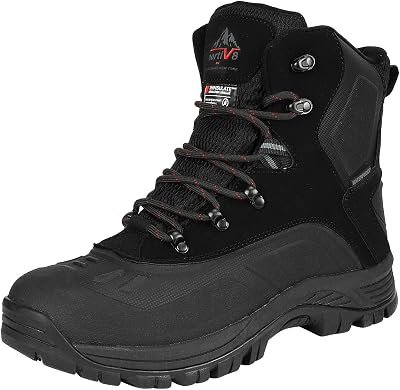
No. 05 — Winter trail walking and snowy commutes
Constructed specifically for winter use, combining water resistance with cold-weather insulation. It provides practical protection against snow slush, but the insulation makes it completely unsuitable for standard three-season hiking. Check the outsole rubber compound for flexibility and grip in sub-zero temperatures.

No. 06 — Light activity and general gym use
A generic athletic shoe aimed at general fitness rather than specialized performance training. Verify the heel-to-toe drop and lateral support if you plan to use this for high-impact running sessions.

No. 07 — Dry-climate day hikes with light packs
Targeting entry-level trail use, these lightweight ankle boots suit dry day hikes where heavy waterproof liners would cause overheating. While marketed for backpacking, sub-$50 footwear rarely features the torsional rigidity required to stabilize heavier loads. Inspect the stiffness of the sole and ankle collar before attempting overnight trips.
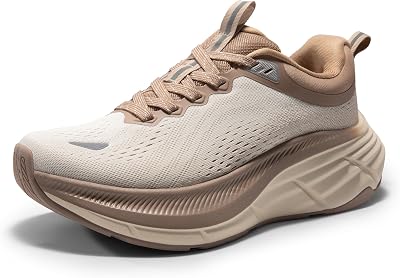
No. 08 — Casual walking and light gym use
Generic naming indicates an all-purpose leisure sneaker rather than a dedicated running platform. The absence of published drop and stack specifications makes it difficult to assess impact protection or gait compatibility. At this price point, it functions for casual walking, but committed runners should seek documented midsole geometry.