Best Microcurrent Facial Devices for Toning in 2026
We compare top home microcurrent tools to help you navigate their features, long-term operating costs, and how they contribute to your daily skincare routine.
By the Niche Picks editorsUpdated November 8, 202610 min readDrawn from our 31 research-based skincare devices reviews
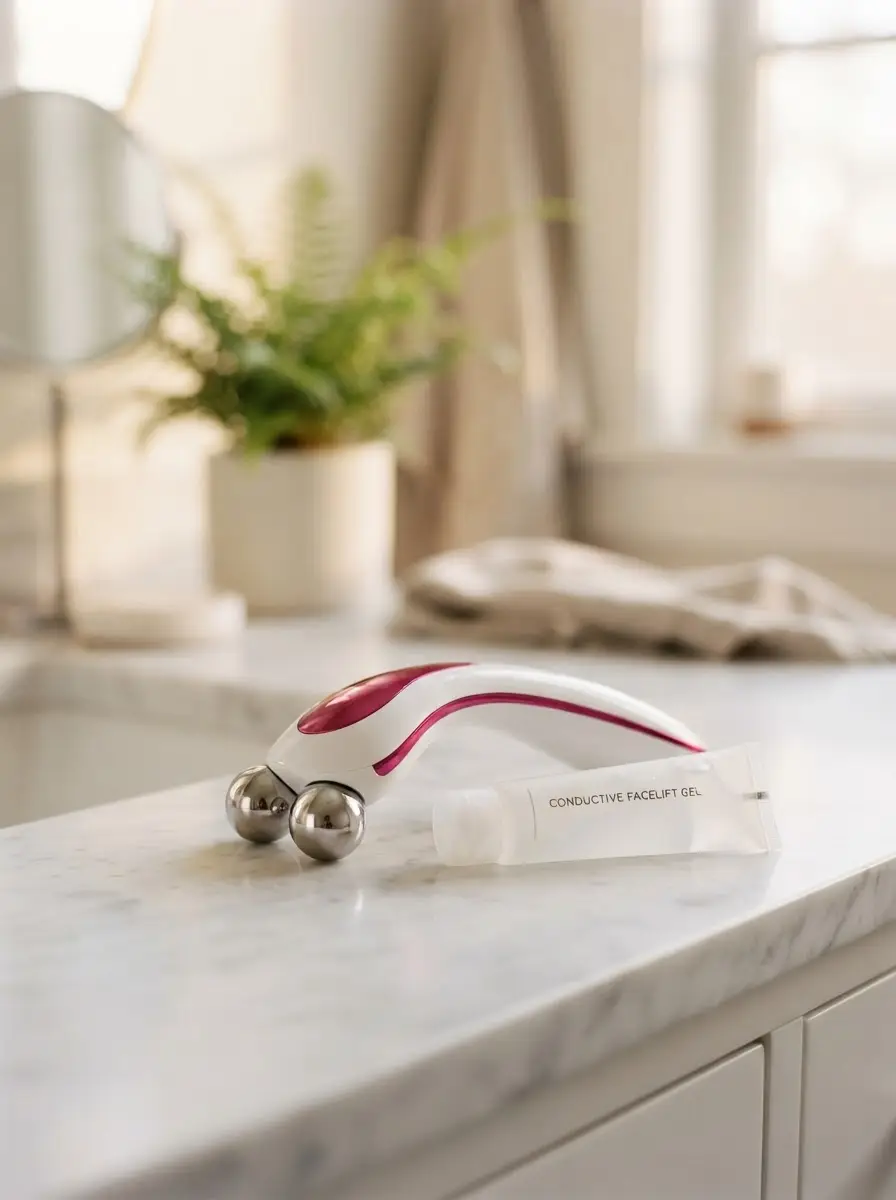
AI-generated editorial illustration; not a product or test photograph.
Short answer
The FOREO Bear and FOREO BEAR mini are our top-rated microcurrent devices, known for their balanced toning capabilities and integrated resistance-sensing technology. While the INIA Flare provides a more affordable, multi-function entry point, all microcurrent tools require consistent use and a continuous supply of conductive gel to ensure safe, effective transmission into the skin.
3
Product listings discussed; not hands-on tests
3/3
Discussed listings with a recorded price
$109.99–$219.00
Recorded listing price range; not a complete setup cost
Key takeaways
Microcurrent devices use low-voltage pulses to stimulate facial muscles for temporary toning and firmness.
A conductive, water-based primer is mandatory for every session to prevent discomfort or surface stinging.
Results from home devices are generally subtler and more transient than professional clinical interventions.
FDA clearance validates baseline device safety but does not guarantee specific aesthetic results for users.
Long-term costs include recurring purchases of conductive media, which are not optional accessories.
Products discussed in this article
Editorial scores and recorded prices are reference points, not measurements of suitability for every use. Read each review's specifications and limitations.
FOREO BEAR mini Microcurrent Facial Device - Instant$219.00
INIA FLARE 3-in-1 Microcurrent Facial Device Red Light$109.99
Microcurrent Device Comparison Summary
Product
Primary Modality
Power Type
Included Starter
FOREO Bear
Microcurrent
Battery/Rechargeable
Basic
FOREO BEAR mini
Microcurrent
Battery/Rechargeable
Basic
INIA Flare
Microcurrent/LED
Manual/Rechargeable
Gel & Serum
How do microcurrent devices function on facial tissue?
Microcurrent facial devices function by delivering low-voltage electrical currents that mimic the body’s bioelectric signals. The primary goal of this technology is to provide sub-sensory stimulation to the facial muscles and underlying dermal layers. When you utilize a device like the FOREO Bear, the tool acts as a bridge for electrical energy to travel through your skin. This process is intended to encourage temporary muscle contraction and fluid mobilization, which can result in a firmer, more lifted appearance if performed with disciplined regularity.
It is critical to manage your expectations regarding what these devices can achieve at home. These are not medical-grade surgical replacements, and they do not possess the power density found in specialized clinical apparatuses. Instead, they serve as maintenance tools within a broader regimen. A key component in their performance is the device's design, such as the spherical electrodes found on the FOREO BEAR mini. These shapes are specifically engineered to maintain contact with the diverse curves of your cheekbones, jawline, and forehead.
Devices deliver micro-ampere level currents that are largely imperceptible to the user.
The stimulation is aimed at superficial muscle groups to assist in temporary facial contouring.
Proper technique involves slow, upward, and outward sweeping motions to align with the skin’s natural tension lines.
Always consult the skincare devices buyer's guide to understand the difference between active electrical energy tools and passive massage implements.
By incorporating these devices, you are engaging in a mechanical and electrical process that requires daily or near-daily adherence. Consistency is the single most important factor in achieving a sustained effect. Unlike a one-time cosmetic procedure, the toning effects of home microcurrent tools will gradually fade if the routine is abandoned, making the choice of a device you enjoy using essential for long-term success.
Managing the hidden costs of microcurrent treatments
When evaluating a microcurrent facial device, your budget must account for the reality of total cost of ownership. While the sticker price of the hardware is the most visible expense, the functional requirement of a conductive medium is a recurring financial obligation. Microcurrent and other energy-based treatments cannot safely pass into the skin through dry air or standard oils. If you attempt to use these tools without a dedicated conductive gel, you will experience a significant lack of conductivity, which often manifests as sharp, uncomfortable snapping or stinging sensations on the epidermis.
Brands often bundle a starter tube with the initial purchase, such as the kit included with the INIA Flare. However, once this starter supply is depleted, you are responsible for sourcing replacements. High-end proprietary serums can be expensive, leading some users to seek generic ultrasound gels. If you choose this route, ensure the gel is water-based and verified for electrical conductance. Failing to use an appropriate, consistent primer is one of the most frequent mistakes to avoid with skincare devices, as it ruins the session quality and makes the device feel ineffective or harsh.
Calculate your estimated monthly gel consumption based on the number of sessions you plan to perform.
Compare the cost of proprietary vs. third-party conductive media to better forecast your annual spending.
Keep in mind that some units may have charging docks or specific cables that must be kept in good repair.
Avoid using thick, oil-heavy moisturizers during sessions, as these create an insulating barrier that blocks the current.
By calculating these expenses upfront, you avoid being caught off-guard by the need for constant resupply. It is often more economical in the long run to invest in a well-reviewed, durable tool that does not require proprietary head replacements in addition to the gel costs. Review our skincare devices blog for more tips on how to effectively integrate these tools without overspending.
Medical Contraindications
Do not use these devices if you have a pacemaker, are pregnant, have a history of epilepsy, or suffer from chronic heart conditions. Consult a healthcare provider before use if you have any metal implants in the face or neck.
Navigating safety, FDA status, and clinical limitations
Regulatory status is a vital aspect of home skincare technology. Many of the devices we reviewed carry FDA clearance, which signifies that the manufacturer has presented evidence showing the device is substantially equivalent to existing, safe predicate tools for over-the-counter facial stimulation. This clearance provides a baseline assurance regarding electrical safety and voltage limitations. For consumers, this is a critical safety net, as it indicates the device is designed to remain within limits that prevent injury when used according to the manufacturer’s instructions.
However, it is a common misconception that FDA clearance is synonymous with 'proven to work' for every user. Clearance typically concerns safety and intended utility rather than clinical efficacy. Do not expect the same level of results from a home device as you would see from a dermatologist-led in-office treatment. Your individual outcomes depend on genetics, skin health, and your ability to follow a consistent routine. Always research the device's intended use by reading our skincare devices FAQ, where we outline the distinctions between medical and cosmetic hardware.
FDA clearance should be treated as a floor for safety, not a ceiling for performance.
Always check the provided user manual for specific contraindications related to medical implants, such as pacemakers.
If you are interested in additional modalities, learn more about are LED face masks safe as a separate category of home skincare.
Be wary of marketing claims that promise permanent structural changes; these devices provide temporary visual improvements.
Always approach these tools with realistic expectations. If you have any history of skin sensitivity, chronic health conditions, or if you are currently using prescription-strength topical treatments, consult with a professional before integrating a new current-based device into your routine. This proactive approach ensures that your pursuit of better skin health remains safe and sustainable, minimizing the risk of irritation or unwanted complications over time.
How to choose the right form factor for your needs
The physical design of a microcurrent device significantly impacts how effectively you can target specific areas of the face. Smaller, lighter devices like the FOREO BEAR mini are designed for precision work. Their compact size makes it easier to navigate the delicate, tight areas of the periorbital region (around the eyes) and the jawline where a larger tool might struggle to maintain full electrode contact. Conversely, larger platforms offer greater coverage but may require more effort to maneuver during a standard three-minute session.
Handheld wands like the INIA Flare often combine microcurrent with additional features such as heat or vibration. While these '3-in-1' designs offer more variety, users should consider if they prefer a simple, focused tool or a multi-modal experience. The complexity of a device often influences the learning curve; simple tools are easier to master and more likely to be used consistently, while complex tools might require more technical setup or application time.
Consider the weight of the device; you will be holding it for several minutes at a time.
Ergonomic handles or silicone grips significantly improve control, especially when your hands are slick with conductive gel.
Verify if the device is rechargeable or uses replaceable batteries, as this impacts both weight and long-term convenience.
For those seeking to compare two specific models, focus on whether the electrode layout fits your face shape.
Ultimately, the 'best' device is the one you find comfortable and efficient enough to use consistently. A sophisticated, expensive device that sits unused in a drawer provides zero benefit. If you find that you prefer a simpler approach to facial care, consider the FOREO Bear for its robust, balanced performance. Whatever your choice, focus on the ease of use during your evening or morning routine, as consistent, manageable sessions are the hallmark of successful at-home skincare maintenance.
Maintain Your Gel Layer
If you experience a stinging sensation, add more conductive gel immediately. The current requires a continuous liquid bridge to move safely through the skin without causing surface irritation.
Establishing a safe and effective routine
Establishing a successful routine involves more than just turning on the device. Because microcurrent energy relies on clear, direct contact with the epidermis, your skin preparation is a fundamental prerequisite for a session. Start by cleansing your face with a gentle wash to remove all sebum, makeup, and daily environmental impurities. Any residue left on the skin can interfere with the device’s sensors and conductivity, leading to a diminished experience.
After cleansing, apply a generous amount of your chosen water-based conductive gel. Do not skimp here; a thick layer ensures the current flows smoothly without interruption. During the session, use light, sweeping strokes, moving from the center of the face outwards and upwards. Think of this as a slow, meditative process rather than a race to finish. If you feel a sharp sensation, your gel has likely begun to absorb or dry out—pause to reapply more medium before continuing.
Follow a strict 3-to-5 minute session duration per day, as excessive use can sometimes lead to skin fatigue or irritation.
Keep your budget in mind when selecting your daily cleanser, but ensure it is compatible with the device's conductive needs.
Clean the device electrodes immediately after each use using a soft, damp cloth and a mild, non-abrasive cleanser.
If you are unsure of your skin’s reaction, perform a patch test on your inner forearm before moving to your face.
Consistency over time creates the best results. Most users find that they need to commit to a daily or near-daily schedule for the first six to eight weeks to observe the benefits of improved toning. Once your goals are met, you can shift to a maintenance phase of two to three sessions weekly. By viewing the device as a long-term tool, you will be better equipped to incorporate it successfully into your life.
Understanding the limits of home beauty hardware
It is essential to be a discerning consumer when browsing the skincare device market. Marketing language often employs terms like 'rejuvenate,' 'firm,' and 'lift,' which, while common, must be understood within the context of home-use limitations. No handheld device can physically tighten sagging muscle or replace the effect of clinical aesthetic procedures. Instead, these devices optimize the appearance of your skin by temporarily reducing edema, boosting localized circulation, and aiding in the absorption of your favorite serums.
When reading our reviews, look closely at the specs. If a device claims high-level firming but fails to mention the power source or electrical parameters, be cautious. Reputable brands are generally transparent about the nature of their current and the safety systems they employ. Our skincare devices FAQ provides more information on how to interpret these common marketing claims. Furthermore, avoid falling for 'novelty' devices that emphasize flashiness over mechanical function; if a tool looks more like a party prop than a piece of hardware, it likely isn't a skincare device.
Prioritize devices with clear technical specifications regarding power, charging, and material quality.
Read our best LED face mask article if you are weighing microcurrent against light therapy, as they target different cellular goals.
Be skeptical of any device that promises immediate, permanent transformation after a single use.
Remember that the best tool is one supported by a clear, accessible manual and responsive brand support.
By staying informed, you avoid wasting capital on products that offer novelty rather than utility. Your skincare regimen is a personal investment, and selecting reliable hardware is just as important as selecting the right topical products to accompany it. Always prioritize evidence-based design over sensationalist advertising, and enjoy the process of building a home care routine that makes you feel refreshed and prepared for the day.
Step by step
1Cleanse the face thoroughly with a gentle, non-oily facial wash.
2Apply a generous, uniform layer of water-based conductive gel to the treatment area.
3Initialize the device and begin at the lowest intensity setting.
4Glide the device in slow, upward motions from the center of the face outwards.
5Hold the device steady for a few seconds on target points if desired.
6Rinse off excess conductive gel following the completion of your session.
7Clean the electrodes with a soft, damp cloth and mild soap.
Quick checklist
Confirm your chosen device has verified FDA clearance status.
Budget for the monthly purchase of water-based conductive gel.
Read the user manual to identify specific facial zones to avoid.
Verify the warranty and registration requirements for the device.
Perform a sensitivity patch test on your inner arm.
Cleanse skin thoroughly of all oils and residue before starting.
Maintain a consistent schedule of 3-5 sessions per week.
Frequently asked questions
Can I use standard face lotion instead of conductive gel?
No, standard moisturizers and lotions contain oils and waxes that act as insulators, blocking the microcurrent from entering your skin. You must use a dedicated water-based conductive primer to ensure the circuit is completed safely and effectively.
How often should I use a microcurrent facial device?
Most brands suggest a routine of 3 to 5 times per week to start. Once you achieve your desired results, you can transition to a maintenance routine of 2 to 3 times per week to sustain the lifting and toning effect.
Is the microcurrent sensation supposed to feel painful?
No, it should be a painless experience. If you feel a 'zap' or sudden discomfort, it is a clear signal that the skin has become too dry or the conductive gel has been fully absorbed, breaking the necessary bridge for the current.
Can I use a microcurrent device over my neck?
Many devices are designed for both the face and the neck. However, you must avoid the center of your throat (the thyroid region). Always check your specific device's user manual for designated safe zones and proper direction of movement.
Will these devices remove my deep wrinkles?
Microcurrent devices work by toning the underlying facial muscles, which can provide a subtle, temporary lifting effect that makes fine lines appear softer. They are not a substitute for clinical treatments targeting deep or permanent wrinkles.
Amazon links are affiliate links; we may earn a commission at no cost to you.
Shortlists in this category
Ranked lists from our skincare devices reviews, limited to listings whose titles confirm the product type, with budget cuts where enough recorded prices sit on both sides of the line.
This page summarizes our research reviews of Amazon listings, listed specifications and captured buyer ratings. It is not a hands-on test. Scores are editorial assessments, not measured performance; prices are recorded snapshots and may change. A category can include both main products and accessories, so its overall price range is not the cost of a complete setup.
Most recent product record update: October 28, 2026. Individual records may be older; this is not a verification date for every claim. Prices on this page were read from the listings Nov 8, 2026 – Nov 12, 2026.
Choose the product type first. These groups require a match in the listing title; an import search term alone is not enough. Scores rank our recorded research assessments within each group, not independently measured performance.
Values are shown as recorded, without unit conversions or inferred compatibility. Not recorded means unknown, not absent. Prices are snapshots, not current offers. Editorial scores are research judgments, not lab results. Amazon links are affiliate links.
Before treating a comparison as complete
Which details are still unknown?
A specification appearing in a listing is not independent verification. These counts show which shortlisted records contain the same field; a blank record does not mean the product lacks the feature.
For a device making treatment claims, verify the exact model's regulatory status and intended use; FDA clearance is not a guarantee of results for every condition.
Check published wavelength, irradiance and session guidance; these alone do not establish clinical effectiveness or safety for your skin or medications.
Ongoing gel or head costs are part of the price.
If a specification, certification or compatibility detail is absent, mark it as unknown and ask the seller or manufacturer. Do not substitute a star rating, an editorial score or a different model's specification.