Do Microcurrent Facial Devices Work? Facts for 2026
Explore whether microcurrent technology truly tones facial muscles and what you need to know about safety, consistency, and ongoing ownership costs.
By the Niche Picks editorsUpdated November 9, 20269 min readDrawn from our 31 research-based skincare devices reviews
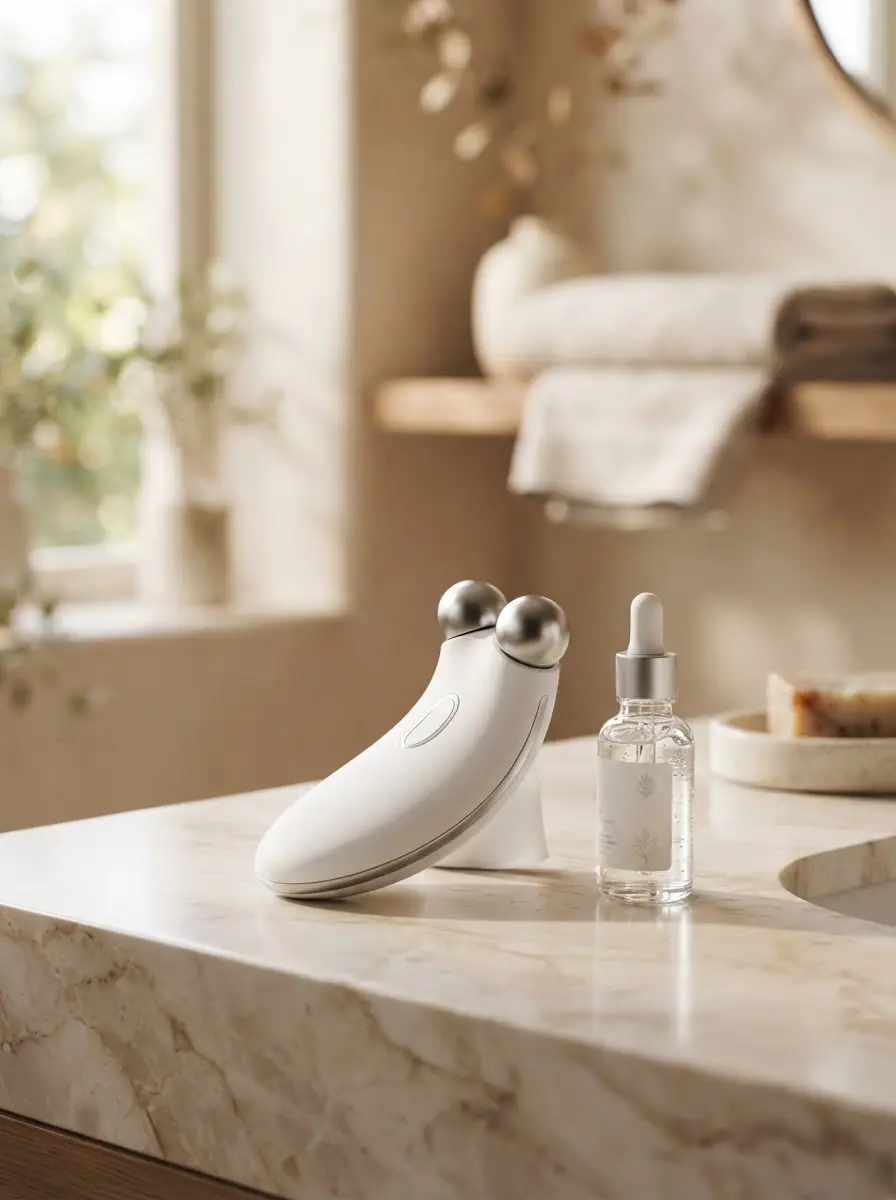
AI-generated editorial illustration; not a product or test photograph.
Short answer
Microcurrent devices work by delivering low-level electrical currents intended to stimulate facial muscles and promote a temporary lifted appearance. While these devices are effective for superficial, transient toning and improved blood flow, they do not provide permanent changes. Consistent, long-term use is required for sustained results, and a conductive gel is mandatory for safe, comfortable operation.
3
Product listings discussed; not hands-on tests
3/3
Discussed listings with a recorded price
$109.99–$219.00
Recorded listing price range; not a complete setup cost
Key takeaways
Microcurrent technology uses low-voltage electrical pulses to provide a temporary, visible toning effect on facial muscles.
These devices are non-invasive, but their results are cumulative and require regular, ongoing application to maintain.
Using a conductive gel medium is mandatory for every session to ensure current reaches the skin without uncomfortable electrical stinging.
No home device can replicate the high-intensity output of professional clinical-grade muscle stimulation equipment.
Consistency is the primary factor in whether users experience the desired aesthetic improvements over time.
Products discussed in this article
Editorial scores and recorded prices are reference points, not measurements of suitability for every use. Read each review's specifications and limitations.
FOREO BEAR mini Microcurrent Facial Device - Instant$219.00
INIA FLARE 3-in-1 Microcurrent Facial Device Red Light$109.99
Comparison of Top-Rated Microcurrent Facial Devices
Product
Primary Feature
Best For
Power Source
FOREO Bear
Anti-Shock System
Muscle stimulation
Battery
FOREO Bear Mini
Precision Electrodes
Targeted areas
Battery
INIA FLARE
Red Light / Heat
Manual toning
Battery
How Does Microcurrent Technology Work?
Microcurrent devices function by mimicking the body's own natural bio-electrical currents. When applied to the skin via metallic electrodes, these low-voltage pulses work to stimulate the muscles underneath the dermis. Unlike high-intensity neuro-stimulation, these handheld units operate at micro-ampere levels, intended to encourage subtle muscle contractions that can temporarily enhance facial contouring and reduce the appearance of puffiness. Many users report a visible 'lift' immediately after a session, though this is largely due to the combination of mechanical massage and increased circulation rather than permanent structural changes to the muscle tissue.
Devices target specific facial zones such as the jawline, cheekbones, and forehead.
Electrical output modulates based on skin resistance to prevent sharp stinging.
Consistent use is the only way to maintain the temporary toning effects.
Results are best observed when integrated into a long-term skincare regimen.
Because these devices rely on electrical conductivity, the quality of the contact medium is as important as the device's circuitry. You can compare the technology of leading handheld models in our compare section to see how different electrode configurations perform. Users should understand that these tools do not act as a replacement for surgical procedures or medical interventions, but rather as a supplement to professional skin maintenance. For a deeper dive into the mechanics of popular beauty tech, see our comprehensive articles/at-home-facial-devices and explore the category/skincare-devices overview to understand how these tools sit within the broader market of home health equipment.
The Importance of Conductive Primers
One of the most critical aspects of using a microcurrent device is the mandatory application of a conductive gel. Because air is a poor conductor of electricity, the current cannot pass effectively from the device's metallic spheres into your tissue without a water-based bridge. Applying these devices to bare skin can lead to uncomfortable surface snapping or 'zapping' sensations that discourage consistent use. Furthermore, the primer acts as a lubricant, preventing the device from dragging across the delicate skin of the face, which can lead to unnecessary mechanical irritation or micro-tears.
Always use a water-based gel rather than an oil-based serum, which may block the current.
The gel must remain moist throughout the entire session; reapply if it dries out.
Conductive primers are a significant recurring cost in the total ownership profile.
Improper application of the medium is the primary cause of poor device feedback.
While some manufacturers like those reviewed in product/B08G97DX7M offer proprietary formulas, many users find that generic ultrasound conductive gels perform the same role at a lower cost. If you are concerned about ongoing expenses, utilize our budget planner to calculate the long-term price of ownership. Skipping the primer or choosing an incompatible product is one of the most common mistakes/skincare-devices new users make. Always check the specific manufacturer instructions for your hardware to ensure you aren't using a substance that could damage the electrode surface or invalidate your warranty.
Medical Contraindications
Do not use microcurrent devices if you have a pacemaker, are pregnant, or have metallic implants in the head or neck. Always consult your primary care provider if you are uncertain about your medical eligibility.
Setting Realistic Expectations for Results
It is essential to distinguish between the transient benefits of microcurrent and the permanent claims often found in marketing materials. While devices such as the product/B08G9B1JQ3 provide high-quality, app-guided routines that enhance blood flow and muscle stimulation, they cannot 'shrink' pores or permanently erase structural signs of aging. Most benefits are temporary and depend heavily on the user's consistency. A single session might provide a subtle tightening effect that lasts for a few hours or a day, but ongoing weekly maintenance is required to keep the musculature and skin looking its best. Think of this process as fitness for your face—just as a single workout will not change your physique, a single facial treatment won't provide lasting results.
Short-term results: Reduced puffiness, increased circulation, and subtle, immediate lifting.
Long-term expectations: Maintained tone with disciplined, routine use.
Realistic limitations: No device can replicate the outcome of a clinical facelift or filler.
Consistency: Commit to the specific session times recommended by the manufacturer.
For those comparing different types of technology, we often clarify the distinction between passive massage and active energy devices in our faq/skincare-devices. It is also helpful to review product/B0GY4X71BZ to understand how combining features like heat or red light might influence your choice, though it's important to remember that these are separate technologies from the microcurrent functionality itself. Understanding these differences prevents disappointment and helps you allocate your time and money toward features that align with your specific dermatological goals.
Safety and Contraindications to Consider
Safety is paramount when dealing with any device that passes an electrical current through the skin. Microcurrent technology is generally considered safe for healthy adults, but it is not suitable for everyone. Individuals with specific medical conditions, including those with pacemakers, metal implants in the head or neck, or a history of epilepsy, should avoid using these devices entirely. Always consult a medical professional before beginning a new treatment if you have any concerns about your health or medications you are currently taking. Furthermore, never use the device over areas of broken skin, active acne lesions, or recent surgical sites, as the current could cause localized inflammation or irritation.
Do not use if you have a pacemaker or other implanted electronic device.
Avoid usage over open wounds, inflamed skin, or recent cosmetic procedures.
Keep electrodes moving; never hold the device in one spot to prevent overheating or skin irritation.
Always perform a patch test on the inner arm if you have sensitive skin.
Beyond medical contraindications, there are practical safety measures to follow regarding your device's maintenance. Always clean the electrodes after every use with a soft, damp cloth to remove residual gel and skin debris. Over time, build-up on the metal contacts can reduce the effectiveness of the current and may potentially lead to skin reactions. If your device uses rechargeable lithium-ion batteries, follow the manufacturer's charging cycle instructions strictly to avoid fire risks or premature battery degradation. Our blog/skincare-devices covers best practices for sanitizing and storing your hardware to ensure it remains functional for years to come without requiring unnecessary repairs.
Gel Maintenance
Never attempt to use a microcurrent device on dry skin. Always apply a generous layer of water-based conductive gel to prevent stinging and ensure the current reaches the tissue effectively.
Managing Total Cost of Ownership
When researching microcurrent devices, the sticker price is only the beginning of your investment. Unlike manual tools that rely on pressure, or even some LED masks that operate on dry skin, microcurrent equipment demands a constant supply of consumable conductive gel. While the initial hardware cost can range from under one hundred dollars to several hundred, the long-term cost of buying high-quality conductive serum will eventually surpass the cost of the device itself. This is a crucial factor for budget-conscious shoppers who might be drawn to a lower entry-price device only to find that it requires expensive, proprietary gels to function correctly.
Factor in the price of 2-4 bottles of conductive gel per year depending on your usage frequency.
Consider the lifetime value of the device's warranty and customer support options.
Avoid cheap knock-offs that may lack the internal regulation to prevent electrical zaps.
Use the budget planner to track how recurring skincare expenses impact your total monthly costs.
It is helpful to look at reviews of various models in the category/skincare-devices list to see which manufacturers provide the best value in terms of battery life and electrode durability. Some devices offer app-based tracking or long warranty periods that may provide additional peace of mind. If you find that the ongoing costs are too high for your lifestyle, you might consider rotating in manual methods, such as those discussed in our other reviews, which don't require electrical connectivity. Always balance the initial hardware expense with the expected longevity of the device to determine if a premium model's durability is a better investment than a lower-cost alternative.
How to Integrate Microcurrent into Your Routine
Successfully incorporating a microcurrent device into your life requires more than just buying the hardware; it requires a disciplined schedule. Start by establishing a clean slate; your face must be completely free of oils, makeup, or other skincare products before you apply the conductive gel, as these can interfere with the current. Many users find that incorporating a three-to-five-minute session into their morning routine helps reduce overnight puffiness and prepares the skin for the rest of their day. Others prefer evening sessions, though it is important to note that the immediate 'lift' may dissipate before the next morning.
Cleanse: Start with a gentle cleanser to ensure skin is clear.
Prime: Apply an even layer of conductive gel to the area you intend to treat.
Glide: Use slow, upward strokes following the natural contours of your jaw, cheeks, and forehead.
Finish: Once the session is complete, wash off the remaining gel and apply your regular serums or moisturizers.
To see the best results, consistency is key. Most manufacturers recommend using the device at least three to five times per week during the initial phase of treatment, transitioning to maintenance usage once you achieve your desired look. Track your progress using a mirror or photos to note the changes over several weeks. Do not be discouraged if results are not immediate; microcurrent is a slow-burn, maintenance-oriented modality. If you are ever unsure about your technique, reference our guide/skincare-devices for visual cues on proper glide directions and pressure. Remember that these devices are tools for enhancement, not correction, and should be treated as such within your overall personal care strategy.
Step by step
1Cleanse your face thoroughly to remove any surface oils, dirt, or makeup residue.
2Apply an even, generous layer of your preferred water-based conductive gel to the treatment area.
3Power on your device and select the desired intensity level, beginning with the lowest setting.
4Place both electrodes firmly against the skin and glide them in slow, upward, and outward strokes.
5Avoid holding the device in one spot; maintain continuous motion throughout the session.
6Reapply conductive gel if it starts to dry out during the session to avoid electrical discomfort.
7After finishing, wipe the device clean with a soft cloth and rinse any remaining gel from your face.
8Follow up with your standard skincare routine, such as moisturizers or serums, as the skin is prepped.
Quick checklist
Verify your medical clearance with a doctor if you have any history of heart conditions or implants.
Check that you have a consistent supply of water-based conductive gel before starting.
Register your device through the manufacturer's app or site to activate the warranty.
Cleanse your skin thoroughly of all oils and makeup before applying any gel.
Perform a patch test on your inner arm to ensure no sensitivity to the current or gel.
Review the manufacturer's suggested glide patterns to ensure safe and correct usage.
Frequently asked questions
Can microcurrent devices replace plastic surgery?
No. Microcurrent devices provide temporary, superficial muscle stimulation and toning, but they cannot replicate the structural changes, collagen tightening, or significant lifting achieved through professional plastic surgery or invasive procedures. They are tools for daily maintenance rather than corrective medical solutions.
How long do the results of microcurrent last?
Results from microcurrent are temporary and generally last for 24 to 48 hours. The stimulation causes brief muscle contractions and increased blood flow that can make the skin appear firmer and more lifted, but these effects are cumulative and fade if a regular treatment routine is not maintained.
Does it matter which conductive gel I use?
Yes. It is essential to use a water-based conductive gel. Oils or non-conductive moisturizers will block the electrical current, which can lead to uncomfortable zapping sensations and prevent the device from working properly. Proprietary gels are recommended by manufacturers, but generic water-based ultrasound gels are typically suitable.
Are there side effects to using these devices?
When used correctly with a conductive medium, most users experience no side effects. If the gel is insufficient, you may feel a stinging or zapping sensation. Overuse or applying too much pressure may lead to mild skin redness or irritation in sensitive individuals.
How often should I use my microcurrent device?
Most manufacturers suggest an initial phase of daily use—typically for a few weeks—to build results, followed by a maintenance phase of three to five times per week. Always follow the specific guidelines provided by the manufacturer for your model to avoid over-stimulating the skin.
Amazon links are affiliate links; we may earn a commission at no cost to you.
Shortlists in this category
Ranked lists from our skincare devices reviews, limited to listings whose titles confirm the product type, with budget cuts where enough recorded prices sit on both sides of the line.
This page summarizes our research reviews of Amazon listings, listed specifications and captured buyer ratings. It is not a hands-on test. Scores are editorial assessments, not measured performance; prices are recorded snapshots and may change. A category can include both main products and accessories, so its overall price range is not the cost of a complete setup.
Most recent product record update: October 28, 2026. Individual records may be older; this is not a verification date for every claim. Prices on this page were read from the listings Nov 8, 2026 – Nov 12, 2026.
Choose the product type first. These groups require a match in the listing title; an import search term alone is not enough. Scores rank our recorded research assessments within each group, not independently measured performance.
Values are shown as recorded, without unit conversions or inferred compatibility. Not recorded means unknown, not absent. Prices are snapshots, not current offers. Editorial scores are research judgments, not lab results. Amazon links are affiliate links.
Before treating a comparison as complete
Which details are still unknown?
A specification appearing in a listing is not independent verification. These counts show which shortlisted records contain the same field; a blank record does not mean the product lacks the feature.
For a device making treatment claims, verify the exact model's regulatory status and intended use; FDA clearance is not a guarantee of results for every condition.
Check published wavelength, irradiance and session guidance; these alone do not establish clinical effectiveness or safety for your skin or medications.
Ongoing gel or head costs are part of the price.
If a specification, certification or compatibility detail is absent, mark it as unknown and ask the seller or manufacturer. Do not substitute a star rating, an editorial score or a different model's specification.