Design and build
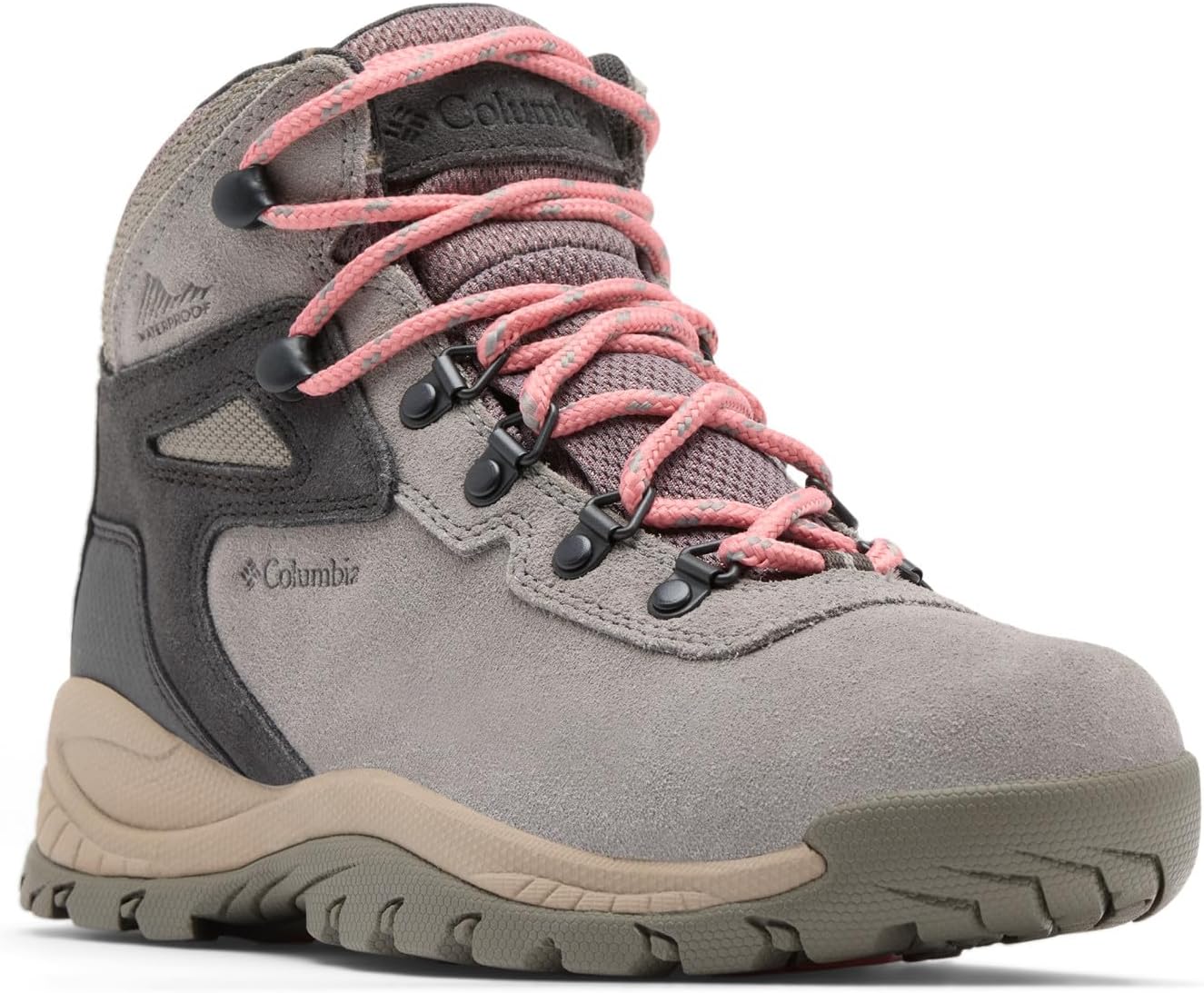
The Newton Ridge Plus Waterproof Amped presents a traditional closed-toe silhouette delivered in a Stratus and Canyon Rose finish. The sizing table spans US 5 through 12, offering half-step intervals through size 10.5 to assist foot volume matching. Beyond these base dimensions, the manufacturer provides minimal technical specifications in the published listing. Buyers are left without stated metrics regarding upper composition—whether genuine leather, split suede, or synthetic textile—and the exact tread depth remains unlisted. The integrated waterproof construction serves as the primary structural design element, engineered to seal out surface wetness while maintaining ankle coverage. For recreational trail users, the closed-toe reinforcement provides standard protection against low-lying roots and rocks. However, critical structural attributes including shank composition, insole density, and outsole rubber compounds should be independently verified prior to purchase, as these directly dictate torsion control and longevity across uneven backcountry surfaces.
Real-world performance
With a 4.5 out of 5 composite score across 3,266 customer reviews, the boot demonstrates reliable satisfaction among recreational hikers tackling non-technical trails. The closed-toe framework prevents direct impacts on trail debris, while the elevated collar provides basic structural support around the ankle. However, field utility is heavily influenced by the waterproof liner. Following standard footwear physics, impermeable membranes that exclude standing water also impede outward vapor dissipation. During sustained ascents, perspiration accumulates within the footbed rather than venting freely into the surrounding atmosphere. In temperate or damp settings, this barrier performs its designated task of preventing water ingress through saturated grass or shallow puddles. Conversely, in warm environments, the retention of internal sweat accelerates skin softening, potentially inducing friction points and blister development. Traction across wet granite or loose scree remains dependent on outsole composition, which prospective owners must inspect manually given missing specification data.
Value for money
At an MSRP of $99.99, the Newton Ridge Plus Waterproof Amped occupies the budget tier of the outdoor footwear market, where modern technical boots frequently exceed $180. The 3,266 aggregate consumer reviews corroborate that the boot fulfills basic expectations for entry-level trail walking, casual woods exploration, and wet-weather commuting. The price point accounts for common compromises inherent to budget boots, including unspecified midsole foam longevity and absence of proprietary compound certifications like Vibram. For occasional hikers who venture out several times a year on graded park paths, the sub-hundred-dollar investment delivers proportionate utility without requiring an overextension of equipment funds. Nevertheless, high-mileage backpackers carrying substantial loads may find that budget construction degrades more rapidly under stress. When evaluating cost against lifespan, casual weekend users will capture the highest return on investment, while demanding trail scenarios may necessitate early replacement that diminishes long-term economic efficiency.
Who should skip it
Hikers operating primarily in arid, desert, or high-temperature regions should skip the Newton Ridge Plus Waterproof Amped. In alignment with established gear principles, waterproof liners inevitably trap sweat against the skin; in bone-dry environments, this insulation offers no defensive benefit while causing severe moisture buildup. Backpackers planning multi-day expeditions with heavy pack weights should also look elsewhere, as the absence of a verified rigid shank and specialized technical chassis limits underfoot support over sharp, off-camber terrain. Furthermore, individuals requiring ultra-breathable mesh trail runners or specialized wide-width lasts will find the closed, lined upper restrictive. If your itineraries center on sweltering summer trails, fast-and-light traverses, or technical alpine routes where precise edging and aggressive lugs are mandatory, a ventilated non-waterproof shoe or a stiffened mountain boot will prove vastly more appropriate than this moderately priced, moisture-trapping mid-cut model.