Design and build
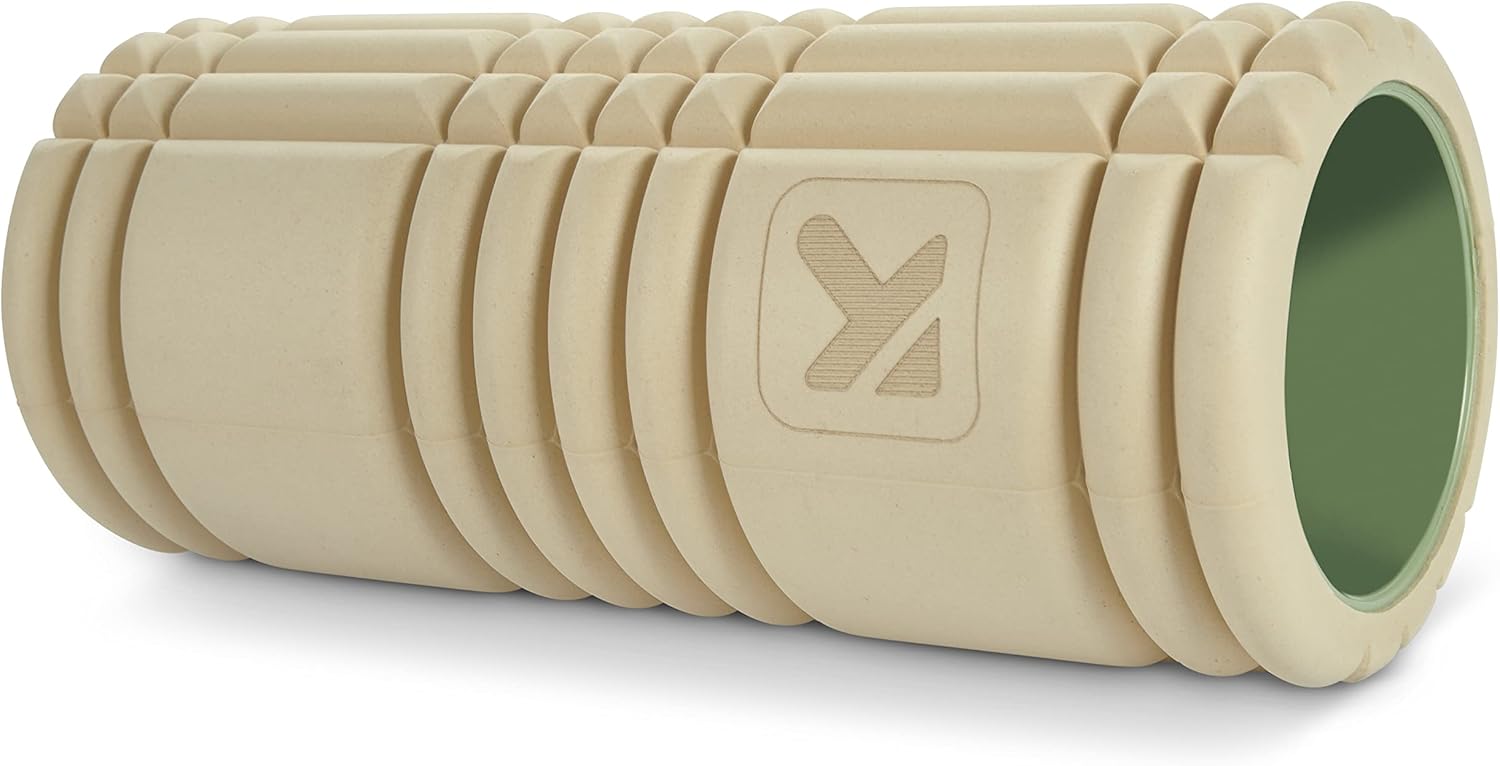
The TriggerPoint Grid Model 10971 measures 13 inches in length and 5.5 inches in diameter, centered on an internal cylinder made entirely from recycled acrylonitrile butadiene styrene. This rigid hollow core is wrapped in a firm multi-density surface composed of 30% bio-based fibers, 30% ethylene-vinyl acetate, 20% recycled polyethylene, and 20% polyolefin elastomers. Unlike solid molded polyethylene foam rollers that degrade and compress permanently over repeated sessions, the hollow architecture prevents structural flattening. The manufacturer rates the unit for a 500-pound load capacity, supported by a standard one-year warranty. The exterior patterning features varied channel depths and flat zones intended to simulate finger and palm pressure points. The overall fit and finish are utilitarian, with tight seam bonding between the composite foam wrap and the inner ABS shell.
Real-world performance
In passive myofascial release, depth of tissue engagement depends on structural firmness and applied body weight rather than motor stall force. The Grid delivers rigid, unyielding resistance against large muscle groups like the quadriceps, calves, and thoracic spine. Because it is completely unpowered, it circumvents the decibel constraints of percussive massage tools, allowing late-night recovery sessions without noise disturbance. The textured three-dimensional surface distributes compressive forces unevenly across target zones, which facilitates shear force against tight fascia while allowing intermediate tissue aeration between grid lines. At 5.5 inches in diameter, it places the user relatively high off the ground, requiring adequate shoulder and core stability to maneuver comfortably. It will not duplicate the localized, percussive penetration of a high-stall-force massage gun, but it excels at broad, heavy tissue shearing.
Value for money
Listing at $39.99, the TriggerPoint Grid sits above entry-level solid foam rollers and well below motorized percussion devices or pneumatic compression boots. The price is substantiated by its structural durability; standard foam rollers in the twenty-dollar range often warp or soften within months of heavy use, whereas the ABS framework retains its shape indefinitely under normal parameters. Buyers also gain access to TriggerPoint's online instructional video platform, which details positioning protocols across major muscle groups. With a 4.7 out of 5 rating across more than 23,000 recorded reviews, user data confirms high long-term mechanical reliability. For athletes seeking an uncompromising, zero-maintenance tool that does not depend on batteries, cords, or pneumatic pumps, the cost-per-use profile remains very favorable.
Who should skip it
Athletes seeking full-spine coverage in a single resting position should avoid the 13-inch length and verify whether a 36-inch traditional roller is required. The firm surface profile provides sharp, concentrated pressure; individuals sensitive to deep compressive loading or those rehabilitating acute muscular injuries may find the composite foam too unforgiving. Furthermore, this is a passive device that requires sufficient physical mobility, wrist strength, and shoulder engagement to support one's own body weight on the floor. Users dealing with upper-body injuries or severe mobility limitations who cannot easily lower themselves to the ground should consider handheld massage guns or pneumatic compression boots instead. Finally, those expecting motorized vibration or variable automated pressure cycles must look elsewhere in the recovery tool category.