Design and Architecture
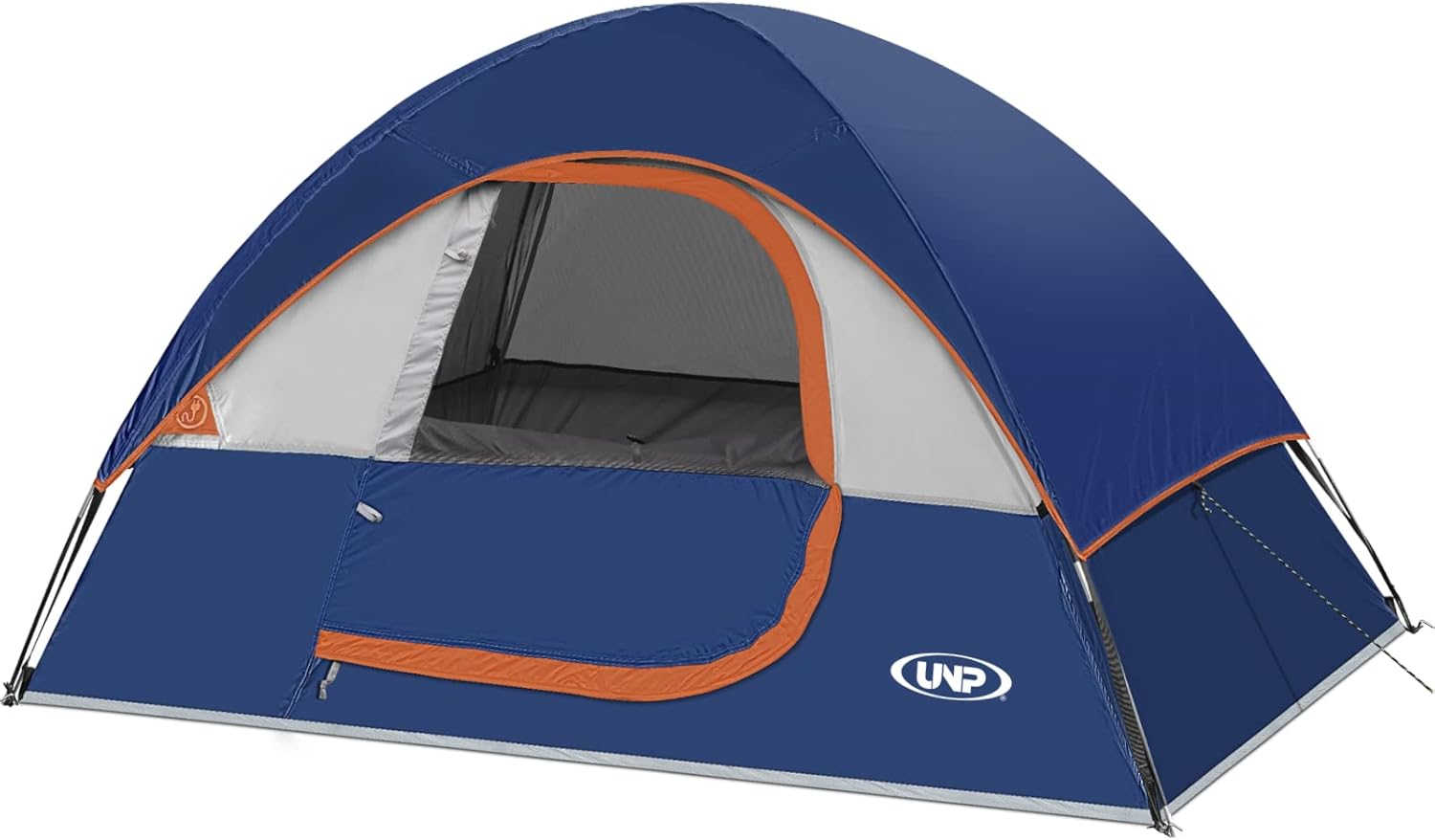
The shelter features a standard dome geometry measuring seven feet long, five feet wide, and 45 inches high. While the product title mentions two to four people, the floor dimensions yield thirty-five square feet of usable area, which realistically accommodates two adults or a single full-size air mattress. Claims of multiple rooms or four-person capacity do not reflect the physical interior of this single-door structure. Construction relies on standard polyester fabric supported by a four-pole configuration feeding through traditional fabric sleeves. Pole sleeves distribute tension evenly across the canopy but can slow down assembly in wet weather compared to modern clip systems. The single entrance features zippered closures and buckle tie-backs, while interior appointments remain minimal, limited to one small storage pocket for essentials. The upper canopy incorporates a mesh skylight to encourage airflow beneath the partial-coverage rainfly. Buyers must inspect seam sealing and stitching uniformity upon arrival, as mass-market polyester builds at this price point frequently show manufacturing variations.
Real-World Weather Performance
Hydrostatic head numbers tell you what a tent survives, and this model features a 1500 mm water resistance rating. In practical terms, 1500 mm withstands light to moderate rain showers, but prolonged downpours or heavy wind-driven rain can overwhelm the fabric and partial fly. The included rainfly covers the upper mesh aperture rather than extending fully to the ground, leaving lower wall seams exposed to windward moisture. Guy ropes and standard ground piles provide stability against moderate breezes, though the broad dome profile catches stronger gusts if not anchored thoroughly. Condensation management depends on cross-ventilation between the upper roof mesh and the single door. In cooler conditions, users must recognize that tent walls do not generate thermal protection; sleeping pad R-value decides warmth far more than tent fabric or sleeping bag ratings. Without an insulated pad beneath you, ground conduct will siphon warmth rapidly, regardless of whether the tent interior remains draft-free.
Value and Practical Utility
At $49.99, the tent delivers straightforward functionality tailored to casual car campers, festival attendees, and warm-season backyard overnights. Across 3,088 user ratings averaging 4.4 out of 5 stars, the market response indicates reliable baseline satisfaction when the shelter remains within its intended operating envelope. For fifty dollars, expectations must align with component realities: fiberglass poles, lighter-gauge floor materials, and basic zipping mechanisms. The manufacturer includes instructions sewn directly into the carry bag, aiding quick assembly without loose paper manuals. As an inexpensive barrier against bugs and morning dew, it serves budget-conscious consumers who camp infrequently in benign conditions. However, value declines if buyers expect the longevity, UV resistance, or robust storm performance typical of technical outdoor brands. If used sparingly during calm summer weekends, the low initial investment amortizes effectively, provided owners exercise care when threading poles through the fabric sleeves to avoid snagging or tearing the seams.
Who Should Look Elsewhere
Hikers planning backcountry travel should skip this model. Packed weight, not trail weight, is what you carry over distance, and 4.8 pounds for a cramped two-person shelter is excessive for foot transit. Furthermore, groups of three or four must look at larger family tents, as sixty inches of width cannot fit more than two standard sleeping pads side by side. Anyone venturing into alpine environments, shoulder seasons, or regions with severe weather forecasts should avoid this shelter entirely. Its 1500 mm hydrostatic head rating, partial rainfly, and fiberglass structural components are inadequate against sustained storms, driving winds, or heavy snowfall. Campers who prioritize gear longevity or need reliable field repair support will also find budget imports lacking in replacement part availability. If your itinerary involves exposed terrain, remote campsites without quick vehicle retreats, or temperatures requiring heavy-duty stormproofing, invest in an authentic three-season shelter engineered for foul conditions.