Composition and Manufacturing Quality
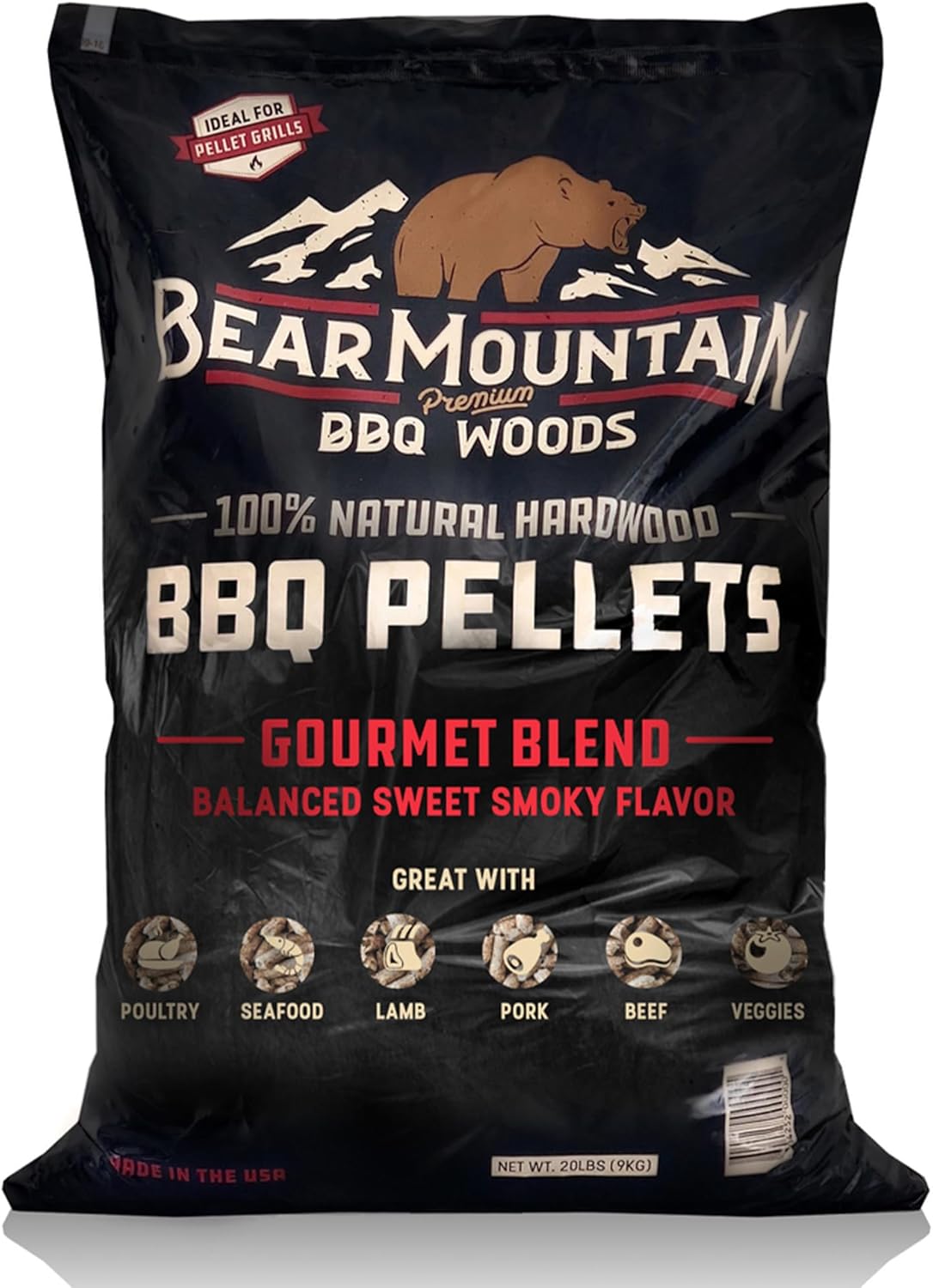
The Bear Mountain Gourmet Blend, model FK99, is manufactured as a uniform hardwood pellet free from artificial flavorings, synthetic binders, or filler woods. For pellet smokers, fuel composition directly dictates appliance reliability. Low-cost pellets that rely on high-bark content or recycled scrap wood produce excess ash that clogs burn pots and complicates scheduled maintenance. The manufacturer prioritizes a low moisture baseline, which ensures structural rigidity and limits crumbling in the hopper. Minimizing wood dust before the auger prevents feed jamming, a regular mechanical failure point during overnight cooks. While the packaging does not disclose the exact percentage split of the individual hardwood species comprising this Gourmet Blend, the uniform density of the extruded cylinders indicates consistent pressing standards. The resulting pellets maintain structural integrity through delivery, demonstrating a low percentage of settled dust at the bottom of the 20-pound bag.
Combustion Characteristics and Flavor Delivery
In real-world operation, fuel moisture determines smoke color and thermodynamic output. High moisture wood yields dirty, acrid white smoke, whereas these low-moisture pellets ignite predictably, settling into a thin blue smoke stream. The Gourmet Blend flavor profile is geared toward a gentle, slightly sweet finish rather than the pungent, heavy bitterness associated with pure hickory or mesquite fuels. This moderate approach makes it appropriate for long brisket flat smoking without overpowering delicate proteins like chicken quarters or pork loin. Ash generation remains low enough to run multi-hour cooks without early intervention in the burn pot. In smoking setups where airflow management and lid seals maintain tight temperature windows, these pellets provide a stable thermal baseline. The wood generates consistent heat without erratic spiking, allowing your cooker's automated control board or manual damper configuration to hold targets smoothly.
Cost Analysis and Practical Economics
At $21.84 for a standard 20-pound bag, the Gourmet Blend sits at approximately $1.09 per pound. This price places it noticeably above commoditized, multi-wood utility pellets sold in 40-pound bulk bags at big-box hardware stores. In a standard pellet cooker running at 225 degrees Fahrenheit, fuel consumption typically averages one to one-and-a-half pounds per hour, fluctuating based on ambient wind and cabinet insulation. A single low-and-slow cook lasting twelve to fourteen hours can consume upwards of fifteen pounds of fuel, meaning a single bag represents roughly one extended cook or two short sessions. The premium price must be justified by reduced ash build-up and pure hardwood provenance. While the cost is higher than baseline fuel options, the consistent rating of 4.6 across more than 14,000 recorded consumer reviews suggests broad reliability that mitigates the risk of unexpected auger stalls or mid-cook ash suffocation.
Who Should Skip This Blend
Pitmasters seeking an aggressive, heavy smoke profile should consider single-species wood options like post oak, hickory, or mesquite instead of this balanced blend. The flavor profile here leans sweet and moderate, which may underwhelm users preparing regional Texas-style beef cuts that demand robust wood bark. Similarly, users running uninsulated, thin-gauge sheet metal smokers in cold, windy conditions burn high volumes of pellets simply to sustain cabinet heat. Burning premium pellets at $1.09 per pound for structural heat generation rather than flavor deposition is inefficient; such cooks are better served by baseline hardwood pellets blended with split logs in an offset firebox. Finally, users who primarily grill hot and fast at temperatures exceeding 400 degrees Fahrenheit will waste the subtle aromatics of the Gourmet Blend, as high heat incinerates the wood compounds before flavor can impart into the food surface.