Design and build
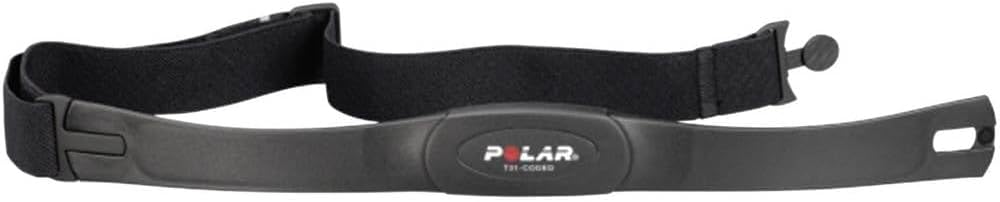
The Polar T31 Coded system comprises a rigid central transmitter module paired with an adjustable elastic strap. The hardware is sealed into a slim, lightweight, and fully waterproof enclosure. This unibody design ensures moisture and sweat cannot penetrate the internal circuitry during high-output sessions. The included strap accommodates torso circumferences from 25 to 54 inches, offering adequate mechanical retention against the skin when properly adjusted. However, the fully encapsulated architecture introduces a significant structural compromise: the internal battery is non-user replaceable. While eliminating seams, gaskets, and screws improves water resistance, it guarantees the entire transmitter unit becomes electronic waste once the integrated cell depletes. The materials feel durable and utilitarian, aligning with Polar legacy sports hardware, yet the absence of a serviceable battery door remains a notable structural trade-off for athletes demanding long-term maintainability.
Real-world performance
Because optical wrist sensors routinely struggle with signal latency during high-intensity interval training, dedicated chest monitors remain essential for accurate physiological tracking. The T31 utilizes electrical ECG sensing, measuring the heart's depolarization directly to deliver immediate heart rate response without the processing lag seen in wrist-worn wearables. Data is broadcast via a proprietary 5kHz coded analog transmission, which assigns a specific identifier to prevent signal cross-talk from neighboring athletes in dense training environments. The transmitter connects reliably to compatible gym machinery, including treadmills, rowers, and older Polar wrist units like the FT1, FT2, FT4, and RCX5. Operating over analog frequencies means there are zero platform subscriptions or software paywalls required to read raw beats-per-minute data on compatible consoles. Performance remains steady across prolonged sessions, provided the conductive electrode pads receive sufficient initial moisture to maintain clear electrical contact.
Value for money
Retailing at $50.54, the Polar T31 Coded sits at an awkward price point relative to current market alternatives. Polar rates the internal power cell for approximately 2,500 active training hours. For an athlete logging five training hours per week, this equates to roughly nine years of theoretical utility, which distributes the financial cost favorably over time. Furthermore, its 4.2 out of 5-star rating across 2,893 buyer reviews highlights dependable execution among users operating compatible legacy platforms. However, modern dual-protocol Bluetooth and ANT+ chest straps frequently sell within the identical $40 to $60 bracket while featuring user-replaceable coin cells and cross-platform flexibility. The T31 delivers fair value if you specifically require 5kHz GymLink transmission for legacy cardio equipment, but offers diminished long-term return given its locked enclosure and non-serviceable internal components.
Who should skip it
Prospective buyers using contemporary smartwatches from brands such as Apple, Garmin, Coros, or newer Polar models like the Vantage series should skip the T31 Coded entirely. The transmitter lacks both Bluetooth Smart and ANT+ radios, rendering it completely invisible to modern multi-sport watches, cycling computers, and smartphone fitness applications. Athletes seeking detailed running dynamics, heart rate variability metrics, or multi-channel broadcasting will not find those capabilities here; the device solely outputs a raw beats-per-minute signal. Additionally, consumers conscious of product longevity and sustainability should look toward chest straps utilizing standard CR2032 coin batteries rather than sealed enclosures that require complete replacement upon power exhaustion. Unless you are specifically servicing a compatible commercial cardio machine or an older analog Polar wrist-top computer, contemporary wireless chest straps represent a significantly more versatile investment.