What is a mirrorless camera?
A mirrorless camera is a digital camera without a DSLR-style reflex mirror, and choosing one starts with understanding its lens system rather than buying on specifications alone.
Research-based article drawn from our 29 photography & videography reviews. Updated September 2026.
Short answer
A mirrorless camera is a digital camera that uses its imaging sensor to provide a live electronic preview rather than directing light through a DSLR-style reflex mirror. When shopping for one, consider the lenses you need, compatibility with the camera body, and practical recording requirements—not just the body’s headline specifications.
Our picks for “what is a mirrorless camera”
- 1
 Tamron 17-70mm f/2.8 Di III-A VC RXD Lens for Sony E APS-C Mirrorless Cameras Black4.8$599.00Our score 8.7/10
 - 2
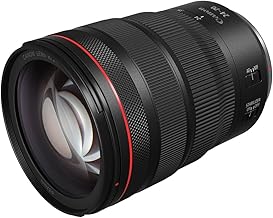 Canon RF24-70mm F2.8 L is USM Lens, Mirrorless Lens, Standard Zoom, Compatible with EOS R Series Mirrorless Cameras, High Image Quality, Portraits, Landscapes, Travel, Photography, Black4.8$2,399.00Our score 8.7/10
 - 3
 Canon EF 50mm f/1.8 STM Lens, Black, Compatible with Canon EOS DSLR Cameras4.8$169.00Our score 8.1/10
 - 4
 SANDISK 64GB Extreme PRO SDXC UHS-I Memory Card - C10, U3, V30, 4K UHD, SD Card - SDSDXXU-064G-GN4IN4.8$34.07Our score 7.5/10
What does mirrorless mean for a beginner?
The key word is mirrorless: it describes the camera’s viewing design, not a promise that every photograph will look better. Treat the label as a starting point for shopping, rather than a quality rating. Your subjects, lens choices, lighting, and shooting technique should guide the purchase.
Start by deciding what you want to photograph or record. Portraits, daytime wildlife, everyday travel, and long video recordings call for different priorities. Write down those needs before comparing equipment, and check the camera manual for model-specific operation and limitations.
Our supplied review list includes lenses for mirrorless systems, memory cards, and supports, but no interchangeable-lens mirrorless camera bodies. Those reviews can help explain how to build a system; they do not establish which camera body is best. For a first purchase, evaluate the complete setup you will actually carry and use, rather than selecting a body and treating everything else as an afterthought.
Choose the lens system before spending on the body
Our buying rule is to invest in lenses first: a useful lens can remain part of your kit through body upgrades. Before purchasing, verify the camera mount, lens coverage, and any adapter requirements in the manufacturers’ compatibility information. Do not assume that sharing a brand name guarantees a direct fit.
The Tamron 17-70mm f/2.8 Di III-A VC RXD is intended for Sony E-mount APS-C mirrorless cameras. It combines a constant f/2.8 aperture with built-in vibration compensation, making it relevant to everyday photo and video work. Its compromises are a larger size than typical kit zooms and limited full-frame compatibility.
For professional Canon full-frame work, the Canon RF24-70mm F2.8 L IS USM offers a constant f/2.8 aperture, optical stabilization, and weather sealing. Its listed $2,399 price and substantial weight make it a considered investment, not a default beginner recommendation. These lenses illustrate why choosing the system and budgeting for its lenses should come before choosing a body.
Read the reviews: Tamron 17, Canon RF24
Can you use DSLR lenses on a mirrorless camera?
Check compatibility lens by lens instead of assuming that existing DSLR equipment will transfer directly. Identify the lens mount, then consult the camera and adapter documentation for the intended combination. Confirm supported operation before purchasing, especially if you are planning to build a new kit around equipment you already own.
The Canon EF 50mm f/1.8 STM provides a concrete example. This DSLR lens requires an EF-EOS R adapter for use on Canon RF mirrorless systems. Its listed price is $169, but account for the adapter separately when comparing it with other options. The supplied data does not establish adapter pricing.
Our review places this lens in budget portraiture and low-light shooting. Its f/1.8 maximum aperture supports shallow depth of field, while improved edge sharpness requires stopping down. The largely plastic exterior is another compromise. If you already own it, investigate compatibility before replacing it; if you do not, compare the complete adapted setup rather than the lens price alone.
Read the reviews: Canon EF 50mm f/1.8 STM Lens
For video, check recording limits and memory cards
If video matters, check sustained recording limits and overheating behavior before focusing on headline codecs. Consult the manual for your intended resolution, frame rate, and recording mode. For important uninterrupted takes, run a trial under conditions resembling the actual shoot rather than assuming that a listed mode guarantees the duration you need.
Memory cards deserve the same care. Match the required sustained-write rating to the recording mode, following the manual’s approved media guidance. V30 versus V90 requirements matter for high-bitrate video; do not select a card solely by its advertised read speed or capacity.
The SANDISK 64GB Extreme PRO SDXC UHS-I card carries a V30 rating, guaranteeing 30 MB/s sequential writing. Our review positions it for moderate-bitrate 4K video and RAW stills, with limited capacity for long recordings. Higher-bitrate or high-frame-rate work may call for V60 or V90 media. Use this card only where its rating meets the camera’s requirements, not as a universal recommendation for every 4K mode.
Read the reviews: SANDISK 64GB Extreme PRO SDXC UHS
Frequently asked
- Is a mirrorless camera good for beginners?
- Consider a mirrorless camera if you want to build a kit around your photography or video needs. Start with a manageable body-and-lens combination rather than a professional lens by default. Check the manual, practice basic operation, and budget for compatible lenses and recording media before adding optional accessories.
- Can I use a Canon DSLR lens on a mirrorless camera?
- Check the exact lens and camera combination. The Canon EF 50mm f/1.8 STM in our reviews requires an EF-EOS R adapter for Canon RF mirrorless use. Consult the camera and adapter documentation before buying, and include the adapter in your budget rather than comparing lens prices alone.
- Which lens should I buy first for a mirrorless camera?
- Choose by camera compatibility and subject. The Tamron 17-70mm f/2.8 Di III-A VC RXD is reviewed for everyday Sony E APS-C photo and video work. The Canon RF24-70mm F2.8 L IS USM targets professional Canon full-frame work. Neither is a universal fit; verify the mount and coverage first.
- Do I need a special memory card for mirrorless video?
- Follow your camera manual’s card requirements for the recording mode you intend to use. The reviewed SANDISK 64GB Extreme PRO SDXC UHS-I card is V30-rated for 30 MB/s sequential writing. That suits its stated moderate-bitrate role, but higher-bitrate modes may require faster V60 or V90 media.