How to use a beard trimmer
To use a beard trimmer, comb clean, dry facial hair, start with a longer guard, and shorten gradually using light, controlled passes before defining the edges.
Research-based article drawn from our 27 men's grooming & shaving reviews. Updated September 2026.
Short answer
Use a beard trimmer on clean, dry hair, starting with a guard longer than your intended finish. Comb the beard, make slow passes against the direction of growth, and reduce the setting gradually. Use an unguarded blade carefully for edges. Check your manual for guard lengths, wet-use permission, cleaning, and blade maintenance.
Our picks for “how to use a beard trimmer”


Prepare your beard and choose a conservative starting length
Wash your beard if needed, let it dry fully, and comb it into its usual shape. Dry trimming makes it easier to judge the length you normally wear. Work in good light with a mirror that shows both cheeks and the underside of your jaw. Avoid trimming through tangles or heavy styling-product buildup.
Before switching on, check that the cutting head is clean and the guard is securely attached. Follow your manual for charging and any required blade oiling. Do not assume a rechargeable trimmer can run while plugged in or that it is safe around water.
Start with a guard longer than your intended finish and try a small area first. Read the marked length rather than relying on a guard number: numbering and cutting-length arrangements differ between models. If you are unsure how much to remove, make one conservative pass, comb again, and reassess before choosing a shorter setting.
Trim the main beard with light, overlapping passes
For an even all-over trim, keep the guard in gentle contact with your face and move slowly against the local direction of hair growth. Beard hair can change direction around the jaw and neck, so adjust your stroke rather than making every pass straight upward. Follow any model-specific guidance in your manual.
Use short, overlapping passes without pushing the guard into your skin. Work across one cheek, then the other, checking their appearance in the mirror. Comb the hair back into place between passes to reveal missed patches. Clear accumulated clippings from the guard with the trimmer switched off.
Reduce the length only after checking the whole beard. For a fuller chin with shorter sides, leave the chin at your initial setting and shorten the sides gradually. Avoid trying to correct every apparent unevenness immediately; combing can reveal that a stray section simply lies differently. If the trimmer tugs, stop rather than forcing it through.
Define the mustache, cheeks, and neckline cautiously
Once the bulk looks even, comb the mustache downward and trim conservatively along the lip. Use a suitable detail attachment or the cutting head as your manual directs. Keep your lips out of the blade path and remove a little at a time, checking both sides before making another pass.
For cheek lines, preserve your natural outline initially and remove only obvious stray hairs above it. When working without a guard, use light touches and keep the blade oriented as instructed. Pressing harder is not a reliable way to get a cleaner edge.
Choose the neckline with your head in a neutral position before lifting your chin to reach it. Avoid taking the line up onto the jaw if you want to retain fullness underneath. Establish a modest boundary, then work outward into the hair you want removed. A trimmer can tidy the outline; use a separate shaving step only if you want a skin-close finish.
Maintain the blades and prioritize useful guard steps
After trimming, switch the tool off and disconnect it before cleaning. Brush away clippings and rinse only the parts your manual permits. Dry them as directed before storage. Follow the specified oiling schedule, and do not attempt home sharpening unless the manufacturer explicitly supports it. Persistent pulling warrants checking cleanliness, charge, lubrication, and blade condition.
For basic beard maintenance, the Wahl Groomsman Rechargeable Beard Trimmer Kit is the most relevant starting point here. Its guides lack fine-step precision, and its motor may pull on thick, wiry hair. Check that its guard steps cover your target length.
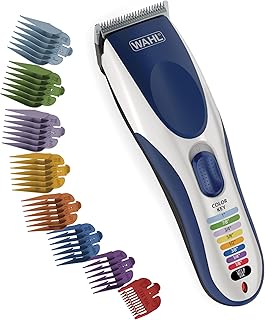
The Ufree Beard Trimmer offers multiple attachments and waterproof construction, but its thin guards can flex under pressure and its motor struggles with coarse or dense hair. The Wahl Color Pro Cordless is primarily a head-hair clipper, not a dedicated beard recommendation. Consider it only if home haircuts are also a priority. Useful guard spacing and maintained cutting edges matter more than brand alone.
Read the reviews: Wahl Groomsman Rechargeable Beard Trimmer Kit & Bonus Batter, Ufree Beard Trimmer for Men, Wahl Color Pro Cordless Rechargeable Hair Clipper & Trimmer
Frequently asked
- Should I trim my beard wet or dry?
- For routine length control, trim a clean, fully dry beard after combing it into place. This lets you judge its everyday shape before removing hair. Wet-use capability varies, so check your manual before using water or trimming in the shower. Never assume a rechargeable model is waterproof.
- Do I trim with or against the grain?
- For an even guarded trim, work against the local direction of growth using slow, light passes, unless your manual directs otherwise. Hair direction often changes around the neck and jaw. Start with a longer guard because changing stroke direction can remove more hair than you expect.
- What beard trimmer guard should a beginner use?
- Start with a guard longer than the finish you want, then shorten gradually after checking a small area. There is no universal beginner guard number. Read the length markings and your manual, since guard numbering and adjustment systems differ. Comb between passes before deciding to remove more.
- Why does my beard trimmer pull instead of cutting?
- Pulling can result from trapped clippings, insufficient lubrication, low charge, worn cutting edges, or trying to cut too much dense hair at once. Stop and check the tool rather than pressing harder. Clean, charge, and oil it as your manual specifies; follow manufacturer guidance for blade replacement or servicing.