How long to sous vide a steak
Sous vide a typical 1-inch steak for about 1–2 hours in a preheated water bath, allowing more time for thicker or frozen cuts.
Research-based article drawn from our 29 sous vide cooking reviews. Updated September 2026.
Short answer
For a typical 1-inch steak, plan on 1–2 hours in a preheated sous vide bath; a 1½- to 2-inch steak generally needs about 2–4 hours. Thickness, starting temperature and your chosen bath temperature affect timing. These are cooking guidelines, not guaranteed pasteurization schedules. Add time for preheating and a brief sear before serving.
Our picks for “how long to sous vide steak”
- 1
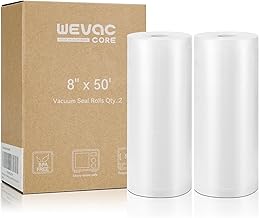 Wevac Vacuum Sealer Bags for Food 8x50 2 Rolls, Fit Food Saver Machines4.7$15.29Our score 8.8/10
 - 2
 EVERIE 12Qt Sous Vide Container Kit w/Collapsible Lid + Lock-In Divider Rack + Insulating Sleeve – For Long Cooks, Fits Most Clamp-Style Circulators4.7$54.95Our score 8.7/10
 - 3
 Anova Culinary Sous Vide Precision Cooker Pro, 1200 Watts, Black and Silver4.5$268.00Our score 8.4/10
Steak thickness determines the cooking time
For tender steaks, thickness is a more useful timing guide than weight. A broad, thin steak heats through faster than a compact, thick one. As a practical starting point, allow about 1–2 hours for a refrigerated steak roughly 1 inch thick and about 2–4 hours for one 1½–2 inches thick. Start counting once the steak enters a bath that has reached the target temperature.
Those ranges describe ordinary cooking windows, not validated food-safety schedules. The exact time needed depends on thickness, shape, starting temperature and bath temperature. If you need pasteurization, use a validated time-and-temperature table rather than assuming that reaching your preferred doneness is enough.
Arrange steaks in a single layer inside each bag, and leave space between bags for water circulation. Several separated steaks do not automatically need a longer cook than one steak of the same thickness. Stacking them together, however, changes how quickly their centers warm.
Choose the temperature before setting the timer
Temperature sets the steak’s eventual doneness; time lets the center approach that temperature. Common culinary settings are around 130–135°F for medium-rare and 140–145°F for medium, though labels and preferences vary. A longer stay in a medium-rare bath does not turn a steak into medium-well, but it can change the texture.
There is an important safety distinction: USDA consumer guidance recommends cooking beef steaks to an internal temperature of 145°F followed by a three-minute rest. Lower-temperature sous vide cooking requires a validated time-and-temperature process to achieve pasteurization; the general timing ranges here do not establish that process. People at higher risk of foodborne illness should avoid undercooked meat.
Do not treat the bath as an unlimited holding cabinet. Tender steaks can become overly soft after extended cooking. Avoid extended holds below 130°F, and follow a validated recipe for your cut and thickness rather than adding hours simply because dinner is delayed.
Preheat, seal, cook and sear
Preheat the bath before adding the steak, and check your circulator manual for minimum water depth, maximum capacity and setup requirements. Season the meat, place it in a bag suitable for sous vide cooking and remove excess air. Keep the sealing area clean and dry, then check that the closure is secure.
Keep the steak submerged without blocking the circulator’s intake or outlet. Begin with the timing range for its thickness, or use a validated schedule when pasteurization is required. Check the water level during cooking and follow your manual when topping up the bath.
Once cooked, remove the steak from its bag and pat it thoroughly dry. Finish in a very hot skillet with a brief sear, often about 30–60 seconds per side, adjusting to the surface browning rather than following the clock rigidly. Drying helps build a crust without spending unnecessary time reheating the interior. Serve promptly; if cooking ahead, rapidly chill the sealed steak in an ice-water bath before refrigerating.
Equipment that helps without changing the steak’s timing
More wattage shortens preheating; it does not make the steak heat through faster once the bath is at the same target temperature, or inherently improve temperature holding. The Anova Culinary Sous Vide Precision Cooker Pro has 1200 watts and is best suited to high-volume batches needing rapid preheating. That advantage is less relevant when cooking a single steak.
For packaging, the Wevac Vacuum Sealer Bags 8x50 two-roll pack provides 100 feet of 8-inch-wide material for custom-length bags. The narrower width suits individual portions but limits wider cuts. Edge sealers do not handle free liquids; keep the seal area dry, or freeze marinades before sealing. Chamber sealers handle liquids. Check your sealer manual for compatible bag materials and sealing instructions.
For repeated or longer cooks, the EVERIE 12Qt Sous Vide Container Kit combines a fitted lid, divider rack and insulating sleeve. The lid cuts evaporation, while the rack keeps bags submerged and separated. Check lid and circulator compatibility before buying.
Read the reviews: Anova Culinary Sous Vide Precision Cooker Pro, Wevac Vacuum Sealer Bags for Food 8x50 2 Rolls, EVERIE 12Qt Sous Vide Container Kit w/Collapsible Lid + Lock
Frequently asked
- How much longer does frozen steak take to sous vide?
- For a typical 1-inch steak cooked directly from frozen, adding roughly 30–60 minutes is a common starting point. Thicker frozen steaks need more time. Freeze steaks individually rather than stacked together, and use a validated frozen-steak schedule if you need pasteurization rather than simply your preferred doneness.
- Can you sous vide steak for too long?
- Yes. Although the steak will not rise above the bath temperature, its texture continues to change. Tender steaks can become overly soft with extended cooking. Stay within a recipe’s recommended window for the cut and thickness, and do not use a low-temperature bath as an indefinite holding method.
- Does sous vide steak need to rest before searing?
- A traditional resting period is generally unnecessary after the water bath. Remove the steak, dry it thoroughly and give it a brief, hot sear. Do not confuse that cooking advice with USDA’s conventional safety recommendation of 145°F internal temperature followed by a three-minute rest; lower-temperature sous vide requires its own validated process.
- Do I need a vacuum sealer to sous vide steak?
- No. A food-safe zipper bag rated for the intended cooking temperature can work using water displacement to remove air. Keep the opening above water while lowering the bag, then seal securely. Check the bag maker’s temperature guidance and your circulator manual, and make sure the steak remains submerged.