We evaluated entry-level mattress toppers and pillow-top pads to identify real comfort upgrades, breathable cotton builds, and crucial return policies.
By the Niche Picks editorsUpdated November 3, 20269 min readDrawn from our 30 research-based bedding & sleep products reviews
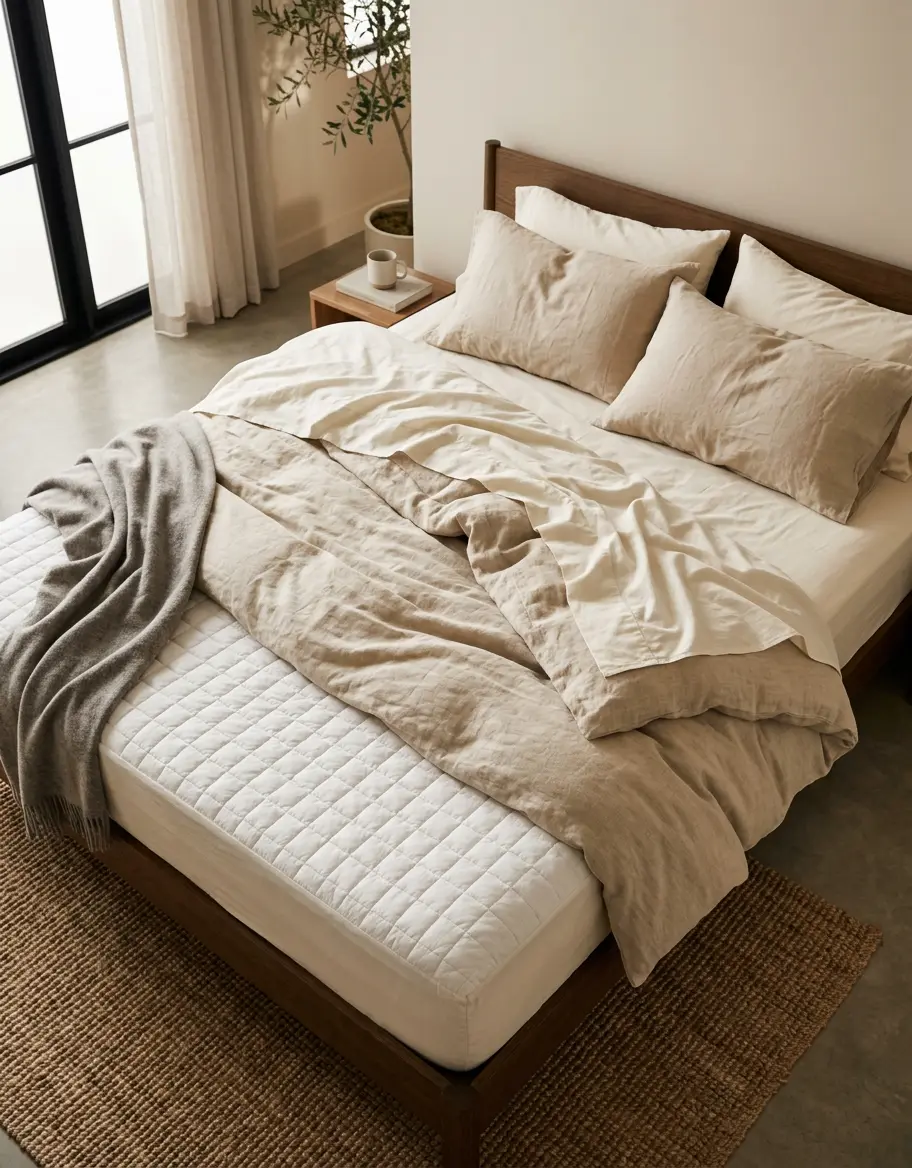
AI-generated editorial illustration; not a product or test photograph.
Short answer
The best mattress toppers provide meaningful surface pressure relief and temperature neutrality without trapping heat or shifting overnight. In our reviewed lineup, the cotton-faced EASELAND Queen Pillow Top Mattress Topper provides the most balanced surface softening and breathability for $35.99, while budget microfiber alternatives like Utopia Bedding's $20.99 pad serve primarily as lightweight protective buffers.
2
Product listings discussed; not hands-on tests
2/2
Discussed listings with a recorded price
$20.99–$35.99
Recorded listing price range; not a complete setup cost
Key takeaways
Fiber-filled pillow-top toppers soften an overly firm mattress surface but cannot fix an internally sagging or broken mattress core.
A breathable cotton outer shell provides noticeably better overnight heat dissipation than purely synthetic polyester or microfiber covers.
Evaluating merchant return policies and trial logistics is more important than relying on subjective manufacturer firmness claims.
Thread count is largely marketing noise; fiber weave, construction geometry, and baffle stitching matter far more for durability.
Thick mattress toppers require fitted sheets with deep pockets—typically 16 inches or more—to prevent corner pop-offs.
Products discussed in this article
Editorial scores and recorded prices are reference points, not measurements of suitability for every use. Read each review's specifications and limitations.
Comparison of Reviewed Budget Mattress Toppers and Pads
Product
Listed Price
Cover Material
Fill Material
Pocket Fitment
Weight
EASELAND Pillow Top Topper
$35.99
100% Cotton (300 TC)
Down Alternative Polyester
8" to 21" Deep Pocket
6.2 pounds
Utopia Bedding Quilted Pad
$20.99
Polyester Microfiber
Polyester Fiberfill
Up to 16" Deep Pocket
1,451 grams
What is the difference between a mattress topper and a mattress pad?
When shopping for bedding upgrades, buyers frequently encounter overlapping terms like mattress pad, mattress topper, and mattress protector. While retail product titles often combine these keywords into a single listing, their mechanical functions are fundamentally distinct. A true structural topper is typically a standalone slab—frequently two to four inches of viscoelastic foam or latex—designed to substantially alter the firmness and contouring dynamics of an existing mattress.
In contrast, fiber-filled pillow-top units, such as those cataloged in our Bedding & sleep products reviews, function as an intermediary hybrid between a protective pad and a light plush topper. These models utilize an elasticized fitted skirt to anchor a quilted packet of synthetic or natural fiber batting across the mattress surface. While a dense, multi-inch memory foam slab offers anatomical pressure point redistribution, a quilted pillow-top pad provides immediate surface-level plushness.
A primary limitation of fiber-quilted toppers is that they cannot rehabilitate a structurally failed mattress. If your current bed exhibits permanent body impressions, interior spring sag, or broken perimeter coils, placing a fiber-filled topper over the depression will simply transfer that dip to the top layer. In those scenarios, upgrading to a dedicated supportive bed such as the Novilla Bliss 14-Inch Mattress or an airflow-friendly pocket-coil bed like the FP FLEXPEDIC Hybrid Mattress is more effective than attempting to bridge the structural gap with plush batting.
For sleepers whose primary mattress core is still flat and structurally sound but simply feels excessively stiff against the hips or shoulders, a quilted pillow-top layer offers an affordable, low-bulk intervention that cushions contact points without adding unwieldy height to your bed frame.
Which budget mattress topper models offer genuine value?
Within our research database, two products specifically target the sub-$40 pillow-top mattress topper space: the EASELAND Queen Size Cotton Pillow Top Mattress Topper and the Utopia Bedding Queen Quilted Mattress Pad Topper. Both models are engineered for standard 60-by-80-inch queen beds, but their interior material densities and cover textiles address different sleeper needs.
The EASELAND model retails at an established price of $35.99 and carries over 117,000 verified customer reviews averaging 4.5 out of 5 stars. Weighing 6.2 pounds in total, it packs approximately 49 ounces of hollow down-alternative polyester microfiber beneath a 300-thread-count 100% cotton top fabric. This construction is designed specifically to soften the contact feel of a firm mattress. Because it arrives vacuum-compressed, user guidance highlights that it requires either 20 minutes of low-heat mechanical tumbling in a clothes dryer or four to six hours in direct sun to decompress its full loft.
At a lower price floor of $20.99, the Utopia Bedding Queen Quilted Pad Topper (Model UB0044) is an entry-level textile weighing 1,451 grams (approximately 3.2 pounds). Backed by more than 160,000 consumer ratings averaging 4.6 out of 5 stars, it uses an all-polyester build with diamond quilting across a synthetic microfiber shell. While it claims soft to medium-soft plushness, its lower fill weight means it functions primarily as a light intermediary comfort barrier and basic protector against minor stains rather than an orthopedic pressure cushion.
Before you buy, it helps to compare your exact comfort goals: sleepers looking for noticeable surface softening will appreciate EASELAND's higher batting weight, whereas Utopia Bedding serves best for utility coverage in temporary rentals or guest rooms.
How do cover fabrics affect breathability and sleeping temperature?
Temperature regulation is one of the most critical factors in sleep quality, and the exterior shell of a mattress topper directly mediates thermal transfer between your body and the mattress core. In bedding evaluation, weave structure and fiber characteristics dictate breathability far more than marketing claims or inflated thread count metrics.
The core textile rule of bedding is straightforward: natural plant fibers, such as breathable cotton percale, allow air to circulate freely and absorb ambient moisture vapor, whereas synthetic polyester microfibers act as thermal insulators. When assessing sleep products, thread count figures are largely extraneous noise compared to fiber composition and mechanical air permeability. A high thread count on a synthetic fabric simply means tightly packed plastic filaments that restrict ventilation.
The EASELAND mattress topper differentiates itself in this category by incorporating a 100% cotton top face woven at 300 thread count. This natural fiber interface provides dependable vapor transmission, allowing body heat to dissipate rather than pooling directly beneath the fitted sheet. While its interior batting is still synthetic polyester microfiber, the cotton skin barrier significantly reduces the clammy sensation typical of all-synthetic covers.
Conversely, the Utopia Bedding mattress pad is encased entirely in brushed polyester microfiber. While microfiber delivers a smooth surface hand out of the package, synthetic micro-yarns inherently retain metabolic heat and exhibit lower moisture permeability. For individuals who naturally sleep hot or reside in warm climates, placing an all-polyester mattress pad beneath synthetic sheets creates an insulating envelope. If cooling is your primary objective, consult our Bedding & sleep products buyer's guide to understand how pairing breathable cotton toppers with open-weave percale sheets optimizes passive airflow.
Why do sleep trials and return logistics matter more than firmness labels?
Manufacturer firmness ratings—such as plush, medium, or medium-firm—are notoriously subjective and lack standardized engineering definitions across the bedding industry. A topper designated as medium-soft by one brand can feel excessively rigid to a lightweight side sleeper or entirely unsupportive to an adult weighing over 200 pounds. As a result, transparent return logistics and sleep trial windows are vastly more important consumer safeguards than marketing descriptions.
Unlike direct-to-consumer boxed mattresses that occasionally offer extended 100-night or 365-night home evaluation periods, budget bedding accessories rarely provide proprietary manufacturer sleep trials. Neither EASELAND nor Utopia Bedding offers an independent, multi-week in-home trial for their toppers. Instead, buyers are entirely dependent on the baseline return terms of the retail marketplace where the transaction occurs.
This distinction introduces real logistical hurdles that buyers must consider prior to checkout:
Compressed bedding expands permanently upon unboxing, making it virtually impossible to squeeze back into the original factory carton.
Marketplace return windows typically expire after 30 days and often require repackaging bulky textiles into oversized domestic shipping boxes.
Certain retailers classify opened personal bedding as non-returnable hygiene items unless defective, shifting the burden of disposal onto the buyer.
To avoid costly mistakes in bedding selection, always verify whether your merchant covers return shipping costs or offers hassle-free pickup before ordering an expanded bedding product. At price points under $40, the financial risk is relatively low, but understanding return boundaries ensures you are not left with unneeded bulk if the comfort profile fails to match your sleep posture.
How do mattress toppers impact fitted sheet pocket depth?
A frequently overlooked aspect of installing a mattress topper is its cascading impact on fitted sheet compatibility. Adding a pillow-top topper or mattress pad alters the vertical profile of your sleep system, often causing standard bedding to slip or snap off the corners during nocturnal movement.
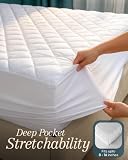
Both the EASELAND and Utopia Bedding toppers feature deep-pocket knitted skirts engineered to wrap beneath modern mattress profiles. The Utopia Bedding pad utilizes continuous knitted elastic designed to accommodate mattress thicknesses up to 16 inches. The EASELAND topper features a flexible 130 GSM single-track elastic skirt engineered to grip mattress depths ranging from 8 up to 21 inches, preventing shifting even on high-profile pillow-top beds.
However, once the topper is installed, your top fitted sheet must accommodate both the depth of the original mattress and the loft of the new topper layer. Standard entry-level sheet sets often max out at 14 inches of usable pocket depth. If your mattress is already 12 inches deep and you add a lofted pad, a 14-inch sheet will place excessive tension on the perimeter elastic, leading to loose corners and fabric bunching.
To ensure stable fitment, measure your bare mattress height from the bottom tape edge to the crown, then add two inches of clearance for your topper. Look for sheet sets specifying an all-around elastic perimeter with pocket depths of at least 16 to 18 inches. Selecting properly proportioned bedding prevents structural strain on both your sheet hems and the topper's elasticized skirt.
How should you clean, wash, and maintain a pillow-top topper?
Routine hygiene and proper laundering directly govern how long a fiber-filled mattress topper maintains its loft and structural integrity. Because quilted toppers sit directly beneath your fitted sheet, they absorb perspiration, dead skin cells, and ambient dust over months of regular use.
Both reviewed models indicate home machine washability, but domestic laundry machines present mechanical risks that require careful handling. The EASELAND topper weighs 6.2 pounds dry; when fully saturated with water during a wash cycle, that weight more than doubles, placing substantial rotational strain on washing machine drums and agitators. Front-loading machines without central agitators are strongly recommended to prevent the elastic skirt from snagging or tearing.
To preserve your topper's materials and stitching over time, adhere to these maintenance protocols:
Wash on a gentle, cold-water cycle using mild liquid detergent, avoiding bleach or fabric softeners that degrade polyester batting fibers.
Tumble dry on low heat with clean dryer balls to mechanically agitate the synthetic fill and redistribute clustered batting.
Never dry on high heat, as synthetic polyester backing materials and elastic skirt tracks can melt or warp permanently.
Ensure the topper is completely dry before reinstalling it on the bed to prevent interior mildew accumulation within the quilted chambers.
For additional care strategies and general bedroom utility tips, review our Bedding & sleep products FAQ. Regular seasonal laundering, paired with an occasional outdoor sunning session, keeps quilted channel stitching fresh while maximizing fiber resilience.
Verify washing machine drum capacity, as wet queen-size toppers become heavy during rinse cycles.
Examine retailer return terms and repackaging rules, as opened bedding often carries strict return restrictions.
Confirm that the skirt features full perimeter elastic rather than corner straps for secure fitment.
Frequently asked questions
Can a mattress topper make a firm mattress softer?
Yes. A quilted pillow-top mattress topper adds a cushioned layer of down-alternative fiber batting between you and the stiff comfort layer. While it does not change the core support of the mattress, it reduces immediate pressure concentration across your hips, ribs, and shoulders.
Does a cotton mattress topper sleep cooler than microfiber?
Yes. Cotton is a natural, breathable plant fiber that permits passive airflow and absorbs skin moisture vapor. Synthetic brushed microfiber consists of extruded polyester filaments that trap still air and body heat, causing hot sleepers to experience higher temperatures overnight.
Do budget mattress toppers come with sleep trials?
Most entry-level mattress pads and toppers under $40 do not offer dedicated, brand-backed sleep trials. Instead, purchase protection is governed strictly by the 30-day return window and terms of the specific retail merchant where you place the order.
Will a mattress topper slip off my bed?
Toppers that utilize continuous, elasticized skirts—such as the 360-degree skirts on the EASELAND and Utopia Bedding models—grip around the mattress perimeter and resist shifting far better than models secured only with loose corner elastic bands.
Can I wash a queen-size mattress topper in a standard home machine?
Lightweight pads like Utopia Bedding's 1,451-gram unit fit easily in standard washers. However, heavier 6.2-pound toppers like the EASELAND model hold substantial water weight, making a large-capacity, front-loading washer without a center agitator necessary to prevent drum damage and seam tears.
Amazon links are affiliate links; we may earn a commission at no cost to you.
Sources and limits
This page summarizes our research reviews of Amazon listings, listed specifications and captured buyer ratings. It is not a hands-on test. Scores are editorial assessments, not measured performance; prices are recorded snapshots and may change. A category can include both main products and accessories, so its overall price range is not the cost of a complete setup.
Most recent product record update: September 29, 2026. Individual records may be older; this is not a verification date for every claim.
Choose the product type first. These groups require a match in the listing title; an import search term alone is not enough. Scores rank our recorded research assessments within each group, not independently measured performance.
Values are shown as recorded, without unit conversions or inferred compatibility. Not recorded means unknown, not absent. Prices are snapshots, not current offers. Editorial scores are research judgments, not lab results. Amazon links are affiliate links.
Sleep trials and return logistics matter more than firmness labels.
Weighted blankets are not appropriate for everyone; follow manufacturer guidance and consult a clinician for children or breathing, mobility or other medical concerns.
If a specification, certification or compatibility detail is absent, mark it as unknown and ask the seller or manufacturer. Do not substitute a star rating, an editorial score or a different model's specification.